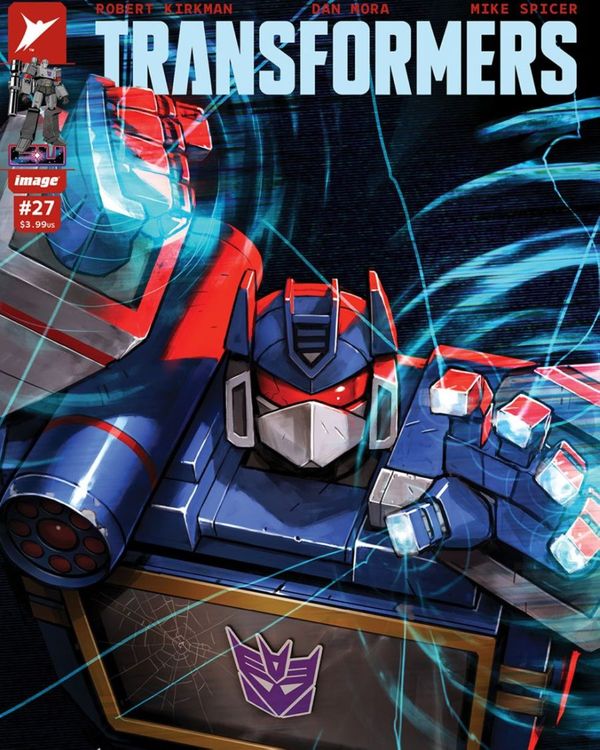
Transformers #27, by Image Comics on 12/10/25, is the point where the Autobots finally get off their heels and start thinking about what winning this war actually looks like instead of just surviving it.
Credits:
- Writer: Robert Kirkman
- Artist: Dan Mora
- Colorist: Mike Spicer
- Letterer: Rus Wooton
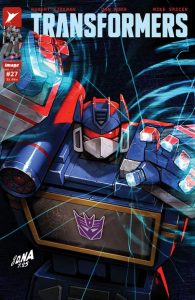
- Cover Artist: David Nakayama (cover A)
- Publisher: Image Comics
- Release Date: December 10, 2025
- Comic Rating: Teen
- Cover Price: $3.99
- Page Count: 32
- Format: Single Issue
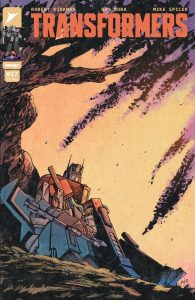
Covers:
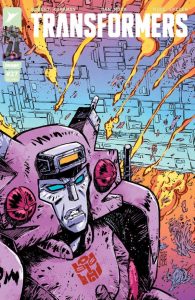
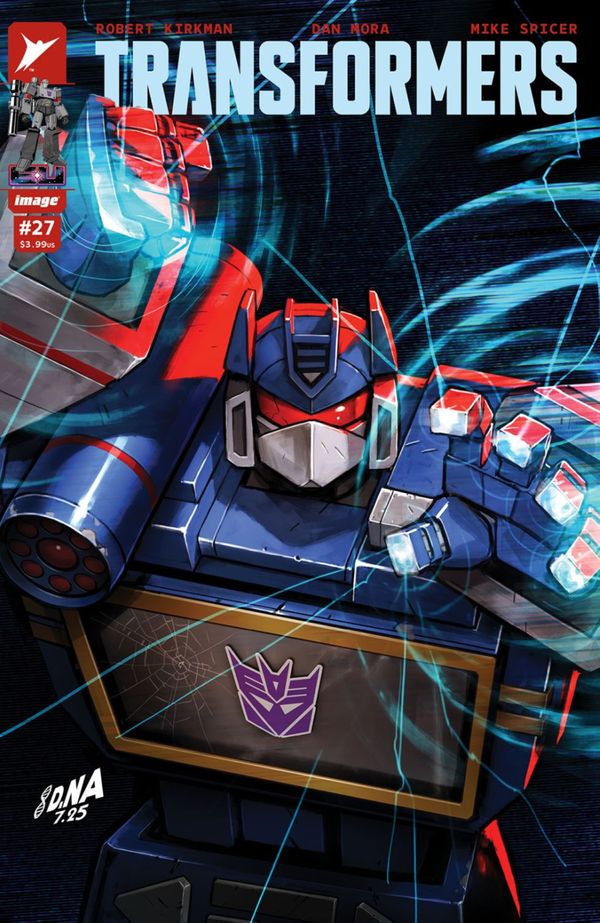
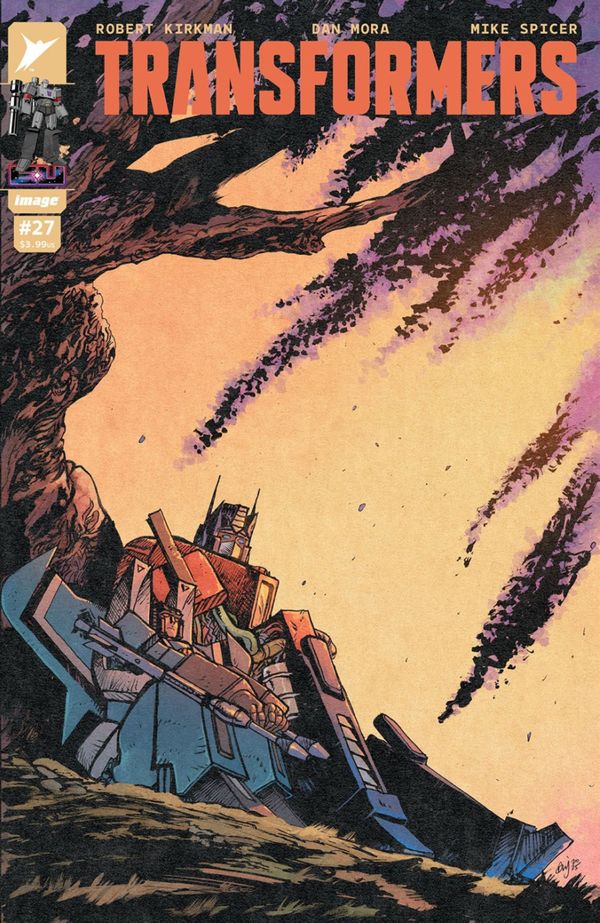
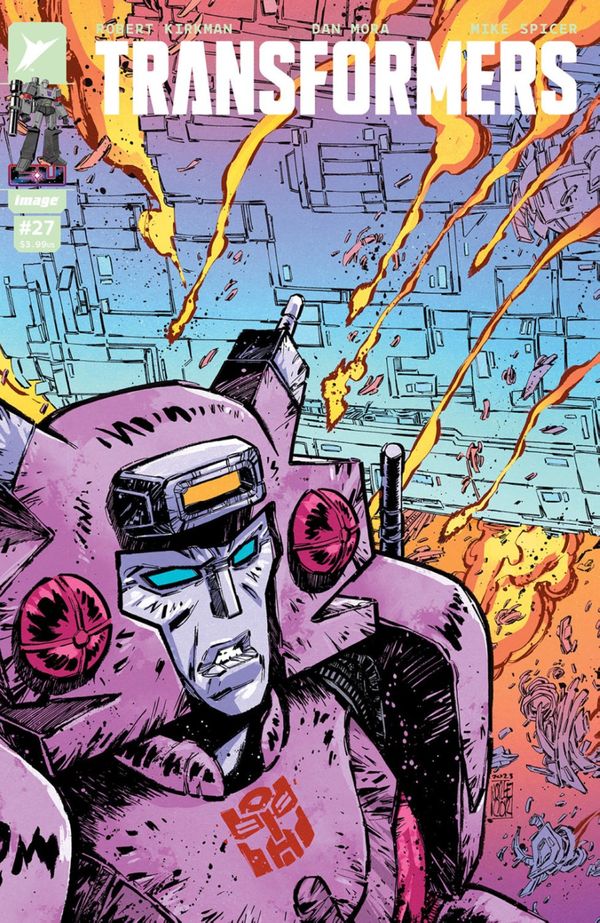
Analysis of TRANSFORMERS #27:
First Impressions:
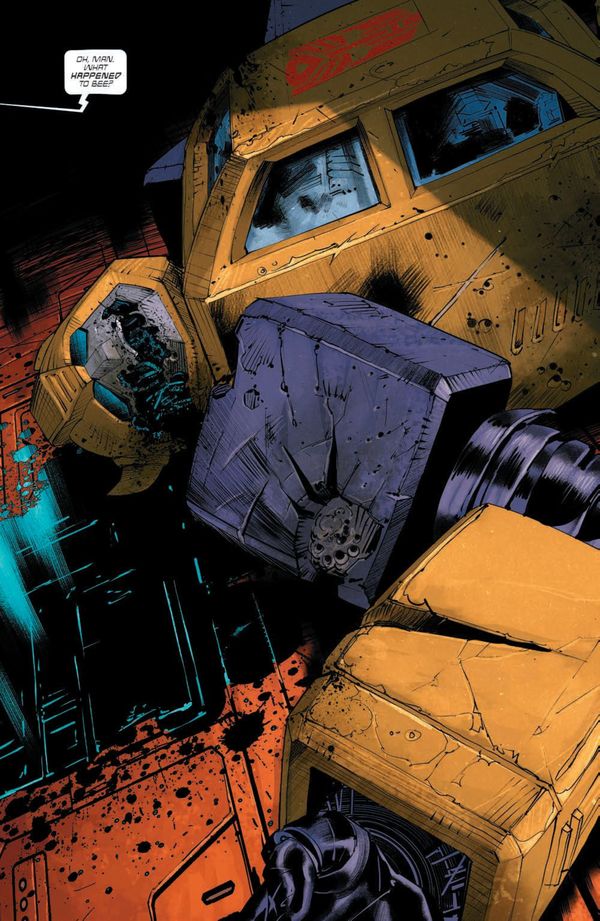
The opening stretch hits like a wake-up call, shoving you into a medbay full of ruined bodies and quiet grief before anyone even says “strategy.” The emotional core is pretty clear right away, because Bumblebee’s state, Brainstorm’s limits, and Jetfire’s trauma frame the whole issue as a mix of mourning and “we can’t keep losing like this.” It feels less like a random chapter and more like the morning after a disaster, when everyone has to decide whether they are rebuilding or just pretending they are okay.
Recap:
Previously, Thundercracker and Ramjet tried to free Skywarp from a lethal machine, only to trigger a spiral of violence and guilt that pushed Thundercracker to blame both sides for Skywarp’s torment. Optimus Prime answered with a risky bargain, promising to restore Skywarp if Thundercracker surrendered, turning empathy into leverage and sowing doubts among Autobots who questioned whether mercy toward a Decepticon was wisdom or naivety. On Earth, Prime and General Flagg shifted focus to rebuilding Chicago into a fortified city for humanity, even as mistrust, prisoner tensions, and energon scarcity kept every alliance on thin ice. Meanwhile on Cybertron, Cliffjumper’s infiltration work and Elita-1’s desperate faction underscored that both worlds were running out of time, options, and patience as the larger war strategy tightened its grip on every character.
Plot Analysis:
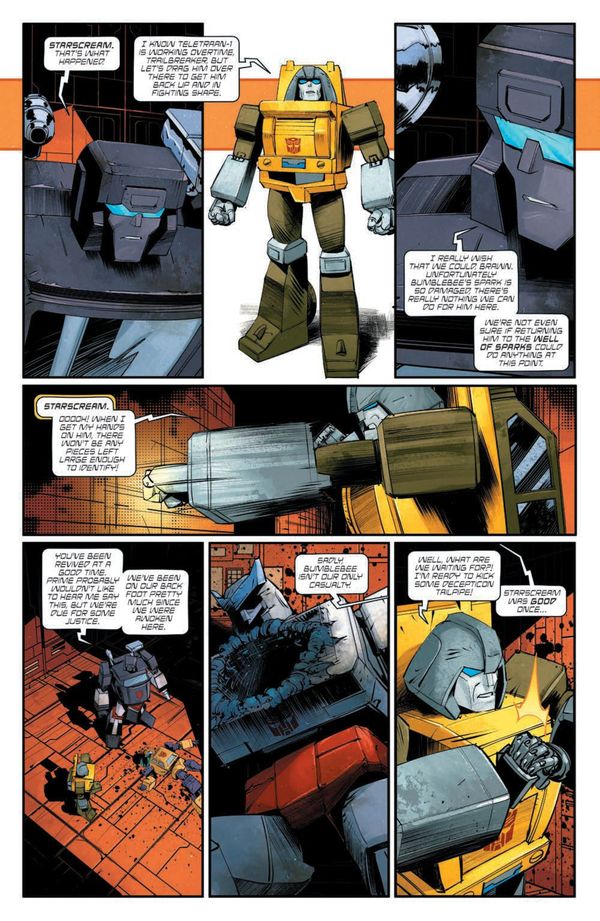
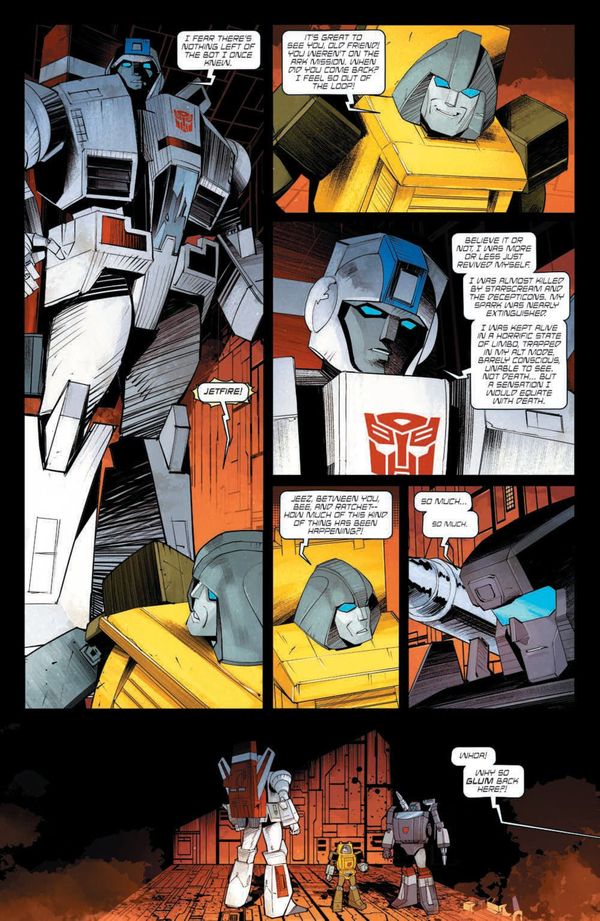
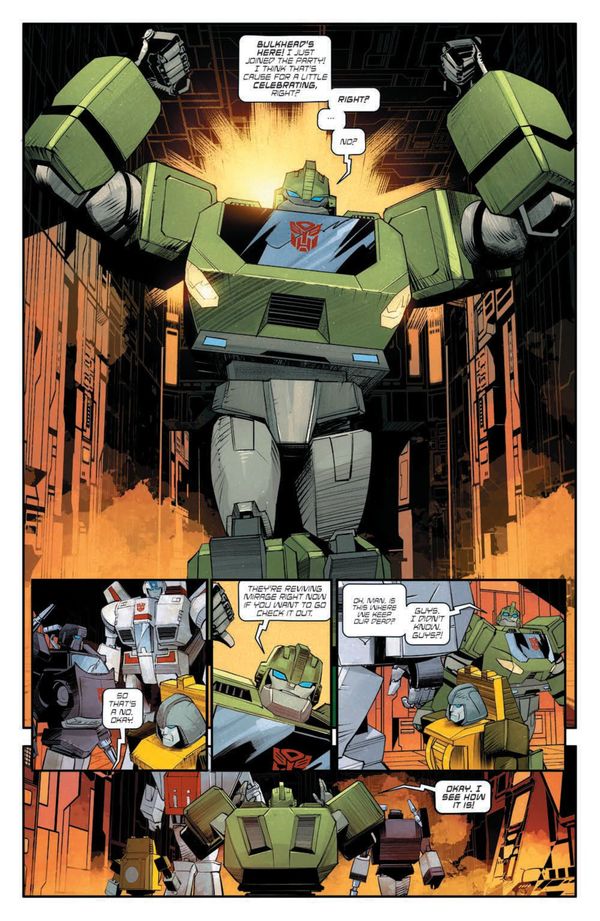
Thundercracker wakes up in the Ark’s repair bay and learns Bumblebee is effectively beyond saving, his spark so damaged Teletraan-1 cannot fix him, which puts a somber cap on the idea that “everyone comes back.” Brainstorm and Trailbreaker talk through the limits of what they can do, while Thundercracker vents about wanting justice on Starscream, only to admit the Seeker he once knew is probably gone. Jetfire arrives and shares his own horror story of being nearly killed by Starscream and kept in a trapped, half-conscious state that felt like death, and the two compare just how far things have slid while they were out of commission. Bulkhead barges in, trying to lighten the mood and realizing too late this is basically the Ark’s morgue, even as Mirage is being revived off-panel and the Autobots quietly keep tally on how many times death has become “almost.”
Away from the bots, Spike and Carly talk about something shockingly normal, planning a quiet dinner now that Chicago is mostly cleared and no longer needs constant human support, with Spike pitching the idea of using Carly’s transforming van friend as discreet security who stays in alt mode. Their attempt at normalcy is interrupted by General Flagg, who thanks Carly for her help and then casually reveals he has decided not to tell Optimus what she did, reframing his past “experiments” on her as acceptable treatment of an enemy combatant. Flagg insists he only recently learned how to tell Autobots and Decepticons apart and claims he deserves leeway, betting Prime would agree, while Carly and her van-bot are left standing in a moral gray zone where the guy who violated her now thinks they are teammates. At the same time, elsewhere on Earth, Swindle, Blast Off, and Onslaught raid an old human energy facility for synthetic energon, griping that the cubes are weak but still worth looting, with Onslaught indulging in casual mayhem while Skywarp awkwardly declines the suggestion to “shoot some humans” and insists he needs to report back to Megatron instead.
The issue pivots into a long conversation between Optimus Prime and Thundercracker, where Thundercracker explains how he never stopped believing in the Decepticon cause but has grown sick of Megatron’s cruelty, especially the joy some Decepticons take in hurting humans. Optimus agrees their war on Cybertron was brutal but draws a line at dragging innocent Earth life into it, and Thundercracker admits that, if forced to pick, he would still save Skywarp over a hundred humans, yet he does not want those humans to die. Prime tells him there is no shame in devotion to his own kind, only in the way that devotion is not returned, and offers Thundercracker a place among the Autobots, promising that if he gives them that same loyalty, it will actually be reciprocated. On the human side, down in the Shadow Watch underground base, General Flagg confronts Miles “Mayhem” McKane about his stalled “little project,” only to get a rant in return as Mayhem insists his tech is more advanced than the aliens and that he needs nothing from them. When Mayhem bristles at a reminder that Matt Trakker used to be his partner, Flagg drops the friendly act, nerve-grabs him into helplessness, calls him a traitor, and orders his arrest, promising they will find any hidden prototypes in whatever hole he stashed them.
In the Ark, Teletraan-1 finishes restoring the latest Autobot roster, and someone notes that only a few missing bots, likely thrown from the Ark during the crash, remain unaccounted for, but hunting them could take years. Thundercracker argues that Prime should finally get repaired instead of chasing distant strays, and Prime reluctantly agrees after acknowledging that his tendency to project kindness on those who do not deserve it is a genuine flaw. A training sequence also shows Blaster coaching Sideswipe on proper weapon handling and accuracy, while Ultra Magnus quietly wrestles with the damage and hesitation left by Shockwave’s torture, concluding he is now a liability and asking Arcee to succeed him as the new Magnus. She accepts the responsibility with some disbelief, and the scene cuts to Thundercracker’s formal welcome into the Autobots, with Magnus and others acknowledging that his devotion is now pointed at a faction that might actually value it. Bulkhead cracks about how much standards have changed, joking about Megatron joining next, and a newly energized Arcee declares that the Autobots have a new mission: to rid Earth of all Decepticons once and for all, which the ending implies will be much easier said than done.
Story
The script leans into a multi-thread structure that moves cleanly between the Ark medbay, human politics, Decepticon raiding, and Shadow Watch intrigue, and most of those transitions feel purposeful rather than scattered. Pacing wise, the issue is heavy on dialogue scenes that double as status reports, but they are grounded in specific stakes like Bumblebee’s condition, Thundercracker’s moral crisis, or Ultra Magnus stepping down, so it never feels like empty chatter.
The dialogue is direct and readable, with clear emotional intent in every scene, although a few speeches, especially Flagg’s self-justification and Mayhem’s ranting, flirt with repetition and chew a lot of page space to say “I was awful but I think I was justified” and “I am a genius, respect me.” Structurally, it functions as a bridge issue, but it still lands a full and coherent chapter by starting in mourning, moving through realignment and confession, and ending on a mission statement that reset the status quo in a measurable way.
Art
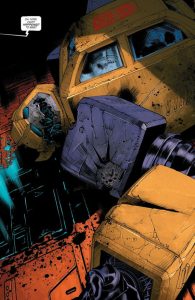
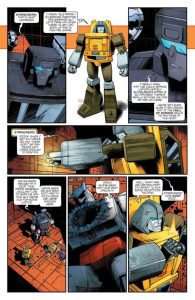
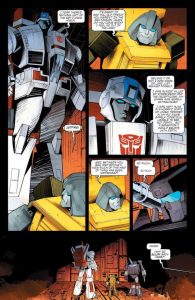
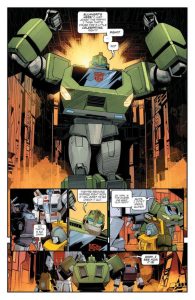
Visually, the Ark sequences are easy to follow, with clean panel layouts that keep character placement consistent, so the medbay, training area, and command spaces all feel like parts of the same physical environment instead of random rooms. Expressions and body language do a lot of heavy lifting, because Thundercracker’s guilt, Jetfire’s haunted posture, and Ultra Magnus’s defeated stance sell the dialogue’s emotional weight without extra narration.
The colors shift from cooler, somber tones in the medbay to warmer, more aggressive palettes during the Decepticon energon raid, which helps separate plot threads and signals mood changes quickly. The only real drawback is that some human-dialogue scenes rely on fairly static compositions, so the panels with Carly, Spike, Flagg, and Mayhem can feel visually quieter compared to the robot-centric pages, even though the stakes in those scenes are high.
Characters
Thundercracker gets the strongest development, evolving from conflicted prisoner into someone who consciously chooses a new allegiance, and his motivations line up with what was set up last issue, especially his discomfort with cruelty against humans. Optimus Prime remains consistent as the moral anchor who values life, but the script smartly lets him acknowledge that his overextension of kindness is a flaw, which makes his agreement to seek repairs feel like growth instead of a simple plot convenience.
Ultra Magnus’s arc is short but effective, showing a veteran who cannot pretend Shockwave’s torture did not change him, and his decision to pass the Magnus title to Arcee reframes her as a frontline leader rather than just a capable soldier. On the human side, Flagg is increasingly drawn as a pragmatic patriot who excuses his past abuse of Carly, and that moral slipperiness makes him more interesting than a simple ally, while Mayhem’s ego and paranoia mark him as a future problem in very loud capital letters.
Originality & Concept Execution
The core concept here is not “big battle of the month,” it is “the war turns into a structured campaign,” and the issue commits to that premise by making almost every scene about status, repair, or strategic realignment. Thundercracker defecting, Arcee becoming Magnus, and the Autobots openly declaring a mission to clear Earth of Decepticons are familiar franchise beats, but they are delivered with enough emotional logic and political friction to keep them from feeling like hollow fan-service. The interplay between human black-ops (Shadow Watch and Flagg), Decepticon resource raids, and Cybertronian ethics on both sides adds freshness, because it treats humans as active agents in the conflict rather than background noise. Overall, the issue follows through on the promise of a turning point installment, even if some readers may wish for one more big action set piece to pair with all the talking heads.
Positives
The biggest win is how cleanly the issue converts previous emotional chaos into forward motion: Bumblebee’s dire state and Jetfire’s trauma set the floor, Thundercracker’s introspection and defection raise the ceiling, and Arcee’s promotion locks in a new command structure you can describe in one sentence to another fan. Conversations have clear stakes baked into them, from Carly deciding how to handle Flagg’s revisionist memory to Thundercracker deciding whose lives actually matter to him, so the talky pages still feel like you are getting value for your time.
On the art side, the bot-focused pages deliver crisp silhouettes, readable action during the small skirmishes, and expressive faces that help sell subtle beats like Prime’s hesitation or Thundercracker’s mix of shame and relief. As a reader investment, this is one of those issues that feels essential to understanding where the book is going, not just something you can skip between splashy battles.
Negatives
For all its structural importance, the issue leans very hard into dialogue and repositioning, which means readers hungry for large-scale action might feel like they paid for a war comic and got a strategy meeting with a couple of skirmishes bolted on. Some speeches, especially from Flagg and Mayhem, ride the line between sharp and indulgent, stretching panels with repetitive justification and ego that say the same thing two or three times when once would have hit harder.
The Decepticon energon raid is conceptually strong but fairly brisk, and Skywarp’s internal conflict is hinted at rather than deeply explored, so that thread feels like a teaser instead of a fully satisfying beat. If you are looking strictly at dollars-to-moments ratio, the lack of a major fight or a single huge visual climax might make this chapter feel lighter than it actually is on content.
Art Samples:
The Scorecard:
Writing Quality (Clarity & Pacing): [3/4]
Art Quality (Execution & Synergy): [3/4]
Value (Originality & Entertainment): [2/2]
Final Thoughts:
(Click this link 👇 to order this comic)
TRANSFORMERS #27 reads like the quiet turning of a giant gear, less about explosions and more about who these characters are going to be when the next round of explosions hits, and that makes it a smart pick if you care about the long game instead of just the highlight reel. For a limited comic budget that values payoff, character repositioning, and a clear sense of where the series is heading, Transformers #27 earns its slot, but if you only show up for big fights and instant spectacle, this might feel like homework you begrudgingly do before the real fun starts.
We hope you found this article interesting. Come back for more reviews, previews, and opinions on comics, and don’t forget to follow us on social media:
If you’re interested in this creator’s works, remember to let your Local Comic Shop know to find more of their work for you. They would appreciate the call, and so would we.
As an Amazon Associate, we earn revenue from qualifying purchases to help fund this site. Links to Blu-Rays, DVDs, Books, Movies, and more contained in this article are affiliate links. Please consider purchasing if you find something interesting, and thank you for your support.