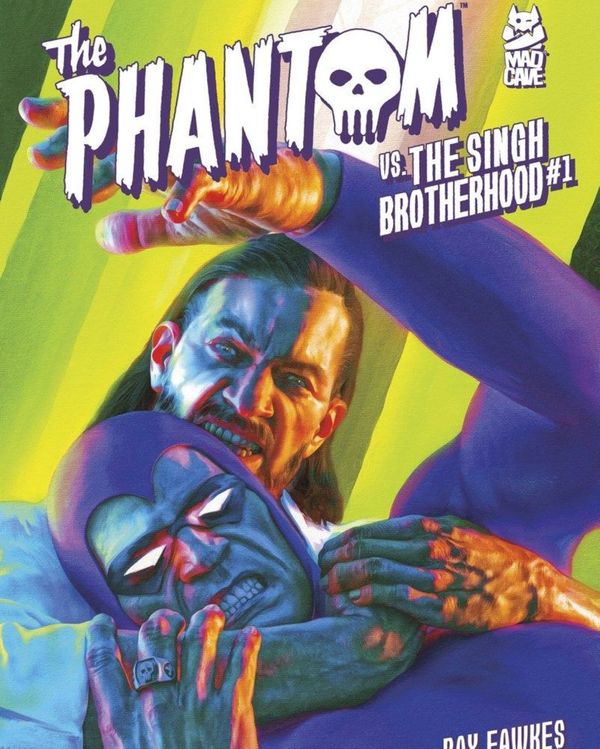
The Phantom vs. The Singh Brotherhood #1 (Mad Cave Studios, 8/19/26): Writer Ray Fawkes and Artist Russell Olson send the Phantom into lockdown when Arif Singh stages a prison revolt. Filled with claustrophobic action and Golden Age heroics, Phantom fans will be pleased with this light adventure. Verdict: Refreshingly classic hero storytelling.
Credits:
- Writer: Ray Fawkes
- Artist: Russell Olson
- Colorist: Juancho!
- Letterer: Taylor Esposito
- Cover Artist: Mark Spears (cover A)
- Publisher: Mad Cave Studios
- Release Date: August 19, 2026
- Comic Rating: Teen
- Cover Price: $6.99
- Page Count: 40
- Format: One-Shot
Covers:
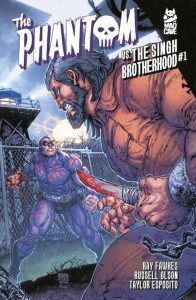
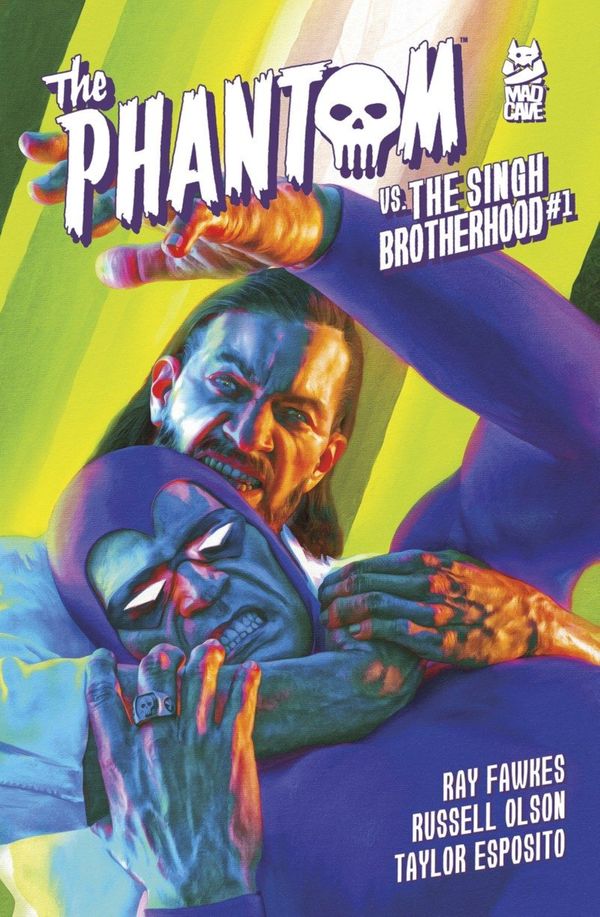
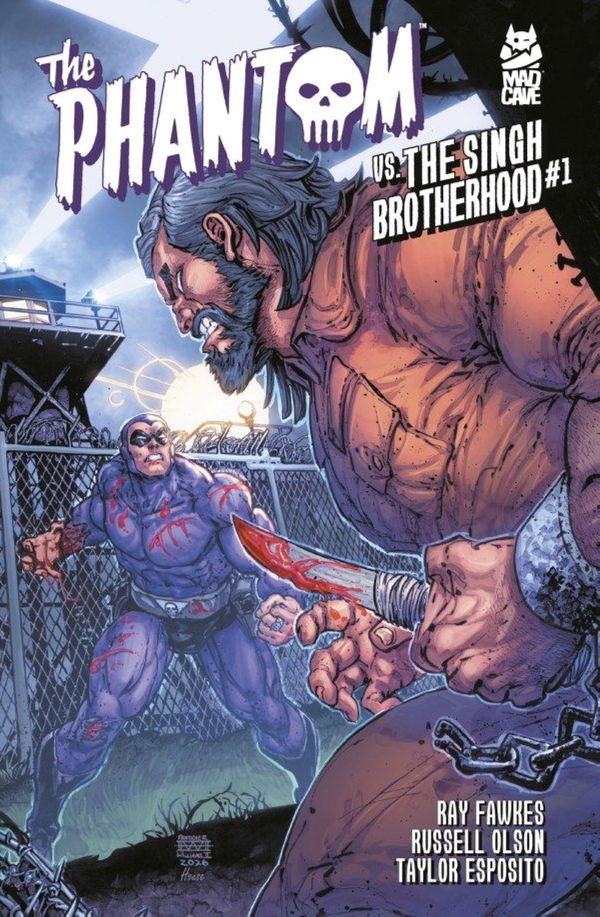
Analysis of The Phantom vs. The Singh Brotherhood #1:
First Impressions:
Full disclosure, I’m a big fan of pulp-era heroes. Doc Savage, The Shadow, The Rocketeer. Give me all of it every day and twice on Sunday. So, when a Publisher – any Publisher – resurrects these characters, I’m all in, even if the current comic didn’t blow me away.
Recap:
In Mad Cave’s inaugural launch for the purple-clad hero, The Phantom, Arif Singh and the Singh Brotherhood invaded a small village to steal their medicine and enslave their people. The Phantom put a stop to the invasion and sent their leader, Arif Singh, to prison.
Plot Analysis (SPOILERS):
This extended one-shot begins with reports that Phantom copycats have engaged in clumsy acts of vigilantism throughout the area, primarily against members of the Singh Brotherhood. Why? It’s a setup to get the members sent to prison, where they could reform their criminal gang under the leadership of the imprisoned Arif Singh.
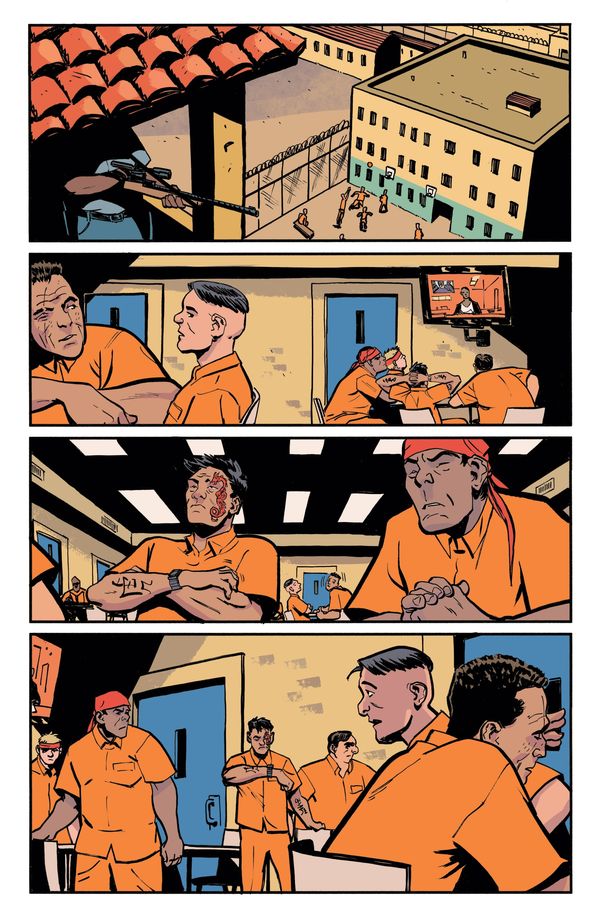
When the critical mass of pirates turns into a gang war between the Singh Brotherhood and the Red Dragon Gang, Arif uses the opportunity to wipe out the competition and take over the prison. Singh then sends out a televised broadcast to challenge the Phantom to face him in prison.
In response, one of the copycats tries to enter the prison, but he gets captured. Arif executes the impostor to show the world that The Phantom is mortal. Meanwhile, the real Phantom infiltrates the prison via a secret tunnel, enlists the prisoners who have no allegiance to Singh, and defeats the villain in full display to his men and the cameras.
How is the story in The Phantom vs. The Singh Brotherhood #1?
Ray Fawkes’s take on The Ghost Who Walks reads (almost) like a classic pulp serial from the 1930s. The dramatic tension is real, but Phantom handles the situation with a confident charm that’s almost relaxed. For some readers, his confidence is almost too relaxed, which undercuts the drama.
In terms of plot, the story is fine, albeit a little incomplete because it forces you out of the story in spots to ask logistical questions. Did Arif Singh really hire Phantom copycats to force his Brothers to get arrested? Isn’t there an easier way to do that? Why would a copycat show up at the prison gates, knowing he’d likely be killed? Who would be that foolish? How did The Phantom evade Arif Singh’s gunfire inside a locked prison cell? They’re not that big.
Sure, yes, the questions sound picky, but the goal is to immerse the reader in the story. Not kick them out on every other page.
How is the art in The Phantom vs. The Singh Brotherhood #1?
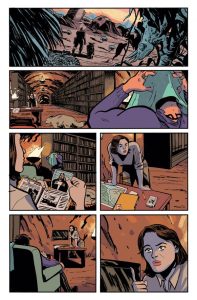
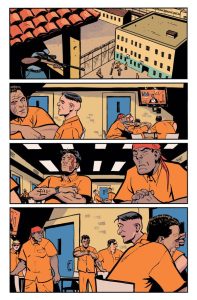
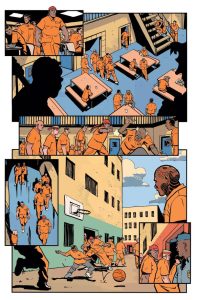
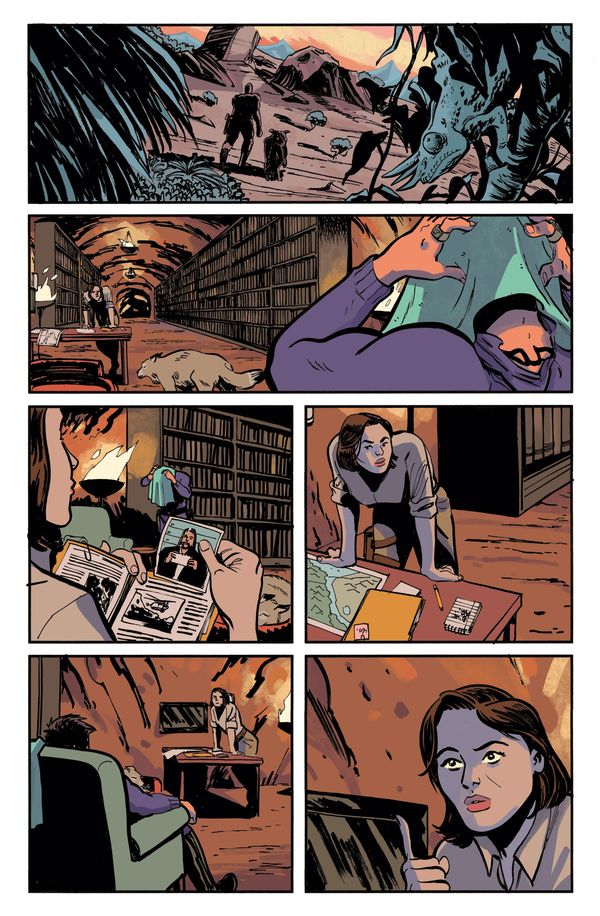
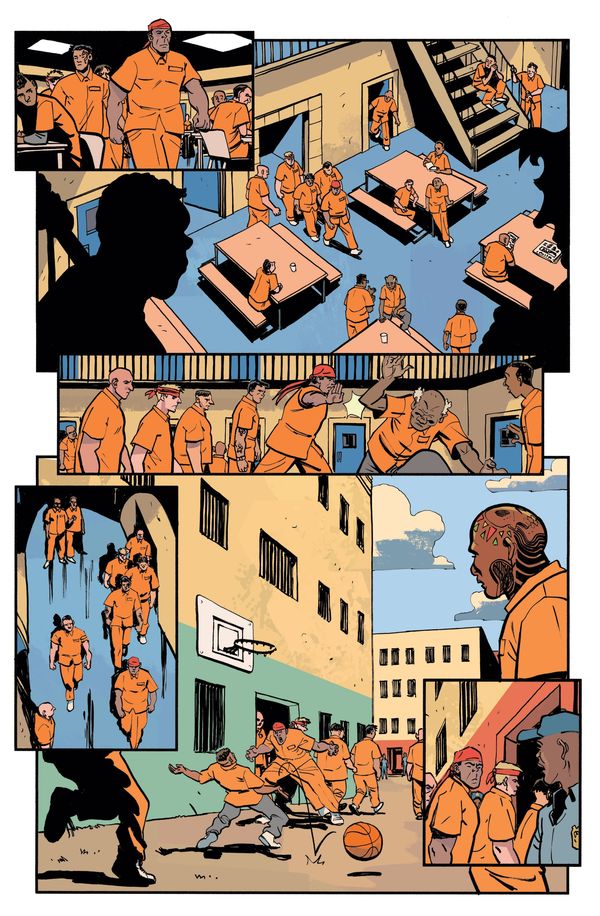
Russell Olson’s artwork is adequate but could be better. He has the right sense of energy and perspective in the panel layouts. What’s missing are the clean lines and the detail. Olson’s style works well enough for a flat, cartoony comic strip, but it lacks the oomph and power to match our hard-hitting superhero. Olson’s lines are rough and minimal, which just doesn’t suit the character or the genre.
Juancho!’s coloring is, likewise, just adequate. You can tell the comic was drawn on a tablet and in a hurry, so the coloring is accurate, but there’s not enough detail to create mood or texture to give the visuals much-needed pop.
Characters
The Phantom and Arif Singh take center stage as the opposing forces in this one-shot. The Phantom is knowingly confident in his ability to take Arif down under what appears to everyone else to be overwhelming odds. Arif Singh is possessed of a megalomania that matches his station as a leader in the Singh Brotherhood, but it’s fun to see his mania devolve into paranoia and then fear when he sees his plan crumble. In a sense, this entire one-shot is a character builder for The Phantom because it forces the criminals in prison and at large to believe The Phantom’s invincibility.
Originality & Concept Execution
A hero infiltrating a prison to defeat a villain who’s already in prison is a bit of a trope, but one you don’t see that often. In concept, the issue is solid, and Fawkes executes the concept well, excluding the criticisms mentioned above.
Pros and Cons
Art Samples:
The Scorecard:
Writing Quality (Clarity & Pacing): 3/4
Art Quality (Execution & Synergy): 2/4
Value (Originality & Entertainment): 1/2
Final Thoughts:
(Click this link 👇 to order this comic)
The Phantom vs. The Singh Brotherhood #1 sends The Phantom to prison to stop a prisoner uprising. Ray Fawkes’s script captures the “Can Do” spirit of the hero, albeit peppered with plot holes. The art team’s visual presentation is adequate to convey the action and energy, but it’s too cartoony and flat to elevate the story.
Related Posts:
We hope you found this article interesting. Come back for more reviews, previews, and opinions on comics, and don’t forget to follow us on social media:
If you’re interested in this creator’s works, remember to let your Local Comic Shop know to find more of their work for you. They would appreciate the call, and so would we.
As an Amazon Associate, we earn revenue from qualifying purchases to help fund this site. Links to Blu-Rays, DVDs, Books, Movies, and more contained in this article are affiliate links. Please consider purchasing if you find something interesting, and thank you for your support.