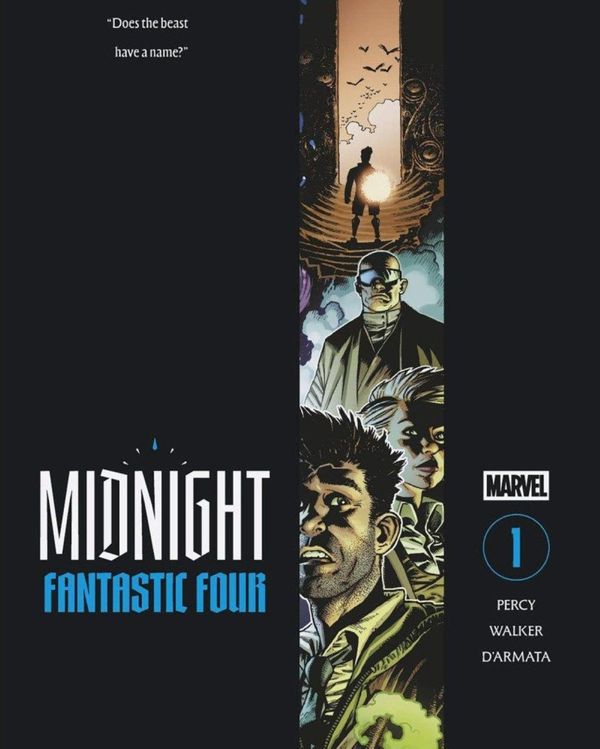
Midnight Fantastic Four #1 (Marvel, 10/7/26): Writer Benjamin Percy & artist Kev Walker find the brilliant but troubled Reed Richards in serious trouble after a catastrophic accident, but Sue Storm explains there are bigger problems in the atmosphere. Ben Percy’s twist on the Fantastic Four infuses madness and Lovecraftian inspiration for a weirdly intriguing tale. Verdict: The best of the Midnight launches so far.
Credits:
- Writer: Benjamin Percy
- Artist: Kev Walker
- Colorist: Frank D’Armata
- Letterer: VC’s Joe Sabino
- Cover Artist: Kev Walker (cover A)
- Publisher: Marvel Comics
- Release Date: October 7, 2026
- Comic Rating: Teen
- Cover Price: $5.99
- Page Count: 42
- Format: Double Sized Issue
Covers:
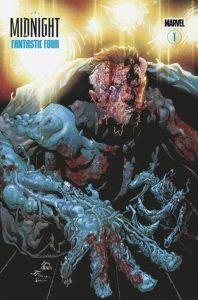
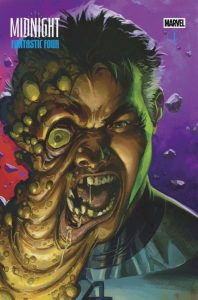
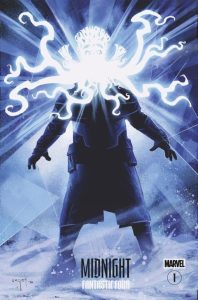
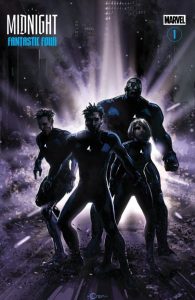
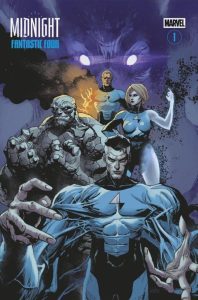
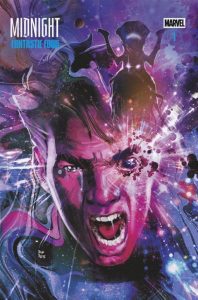
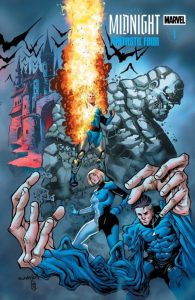
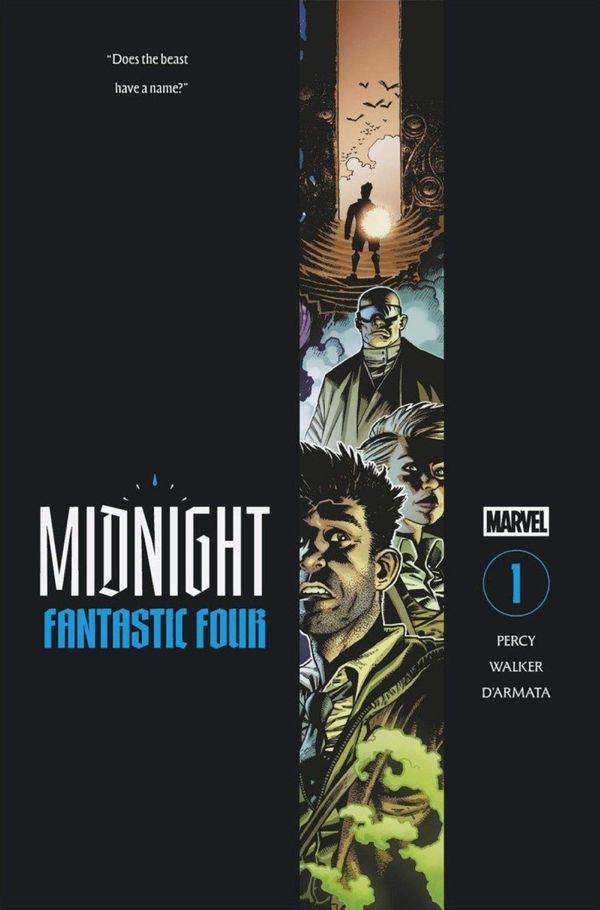
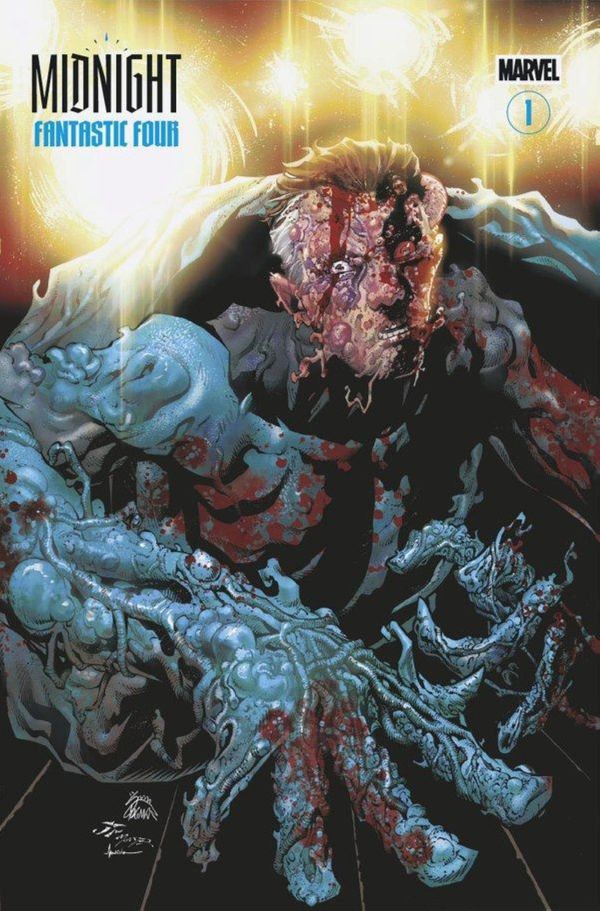
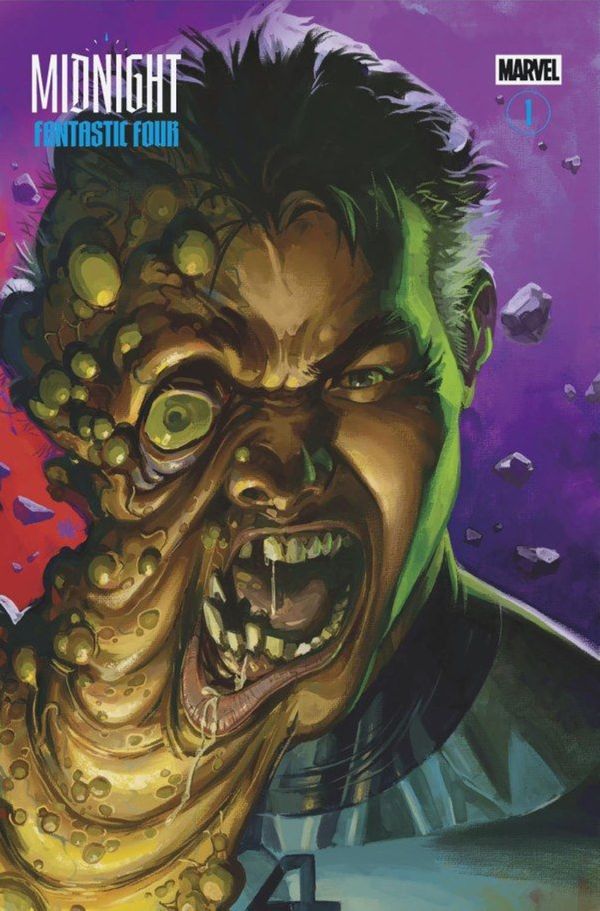
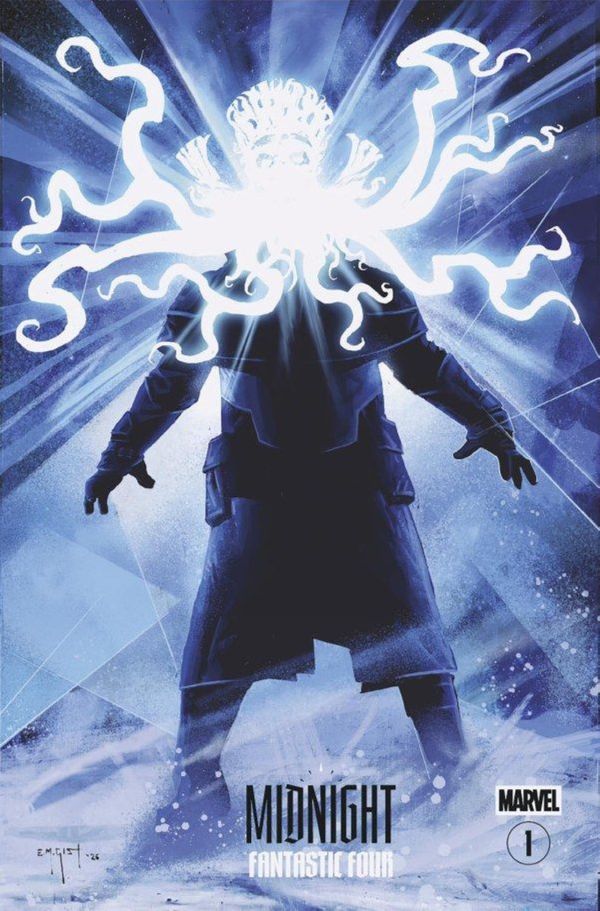
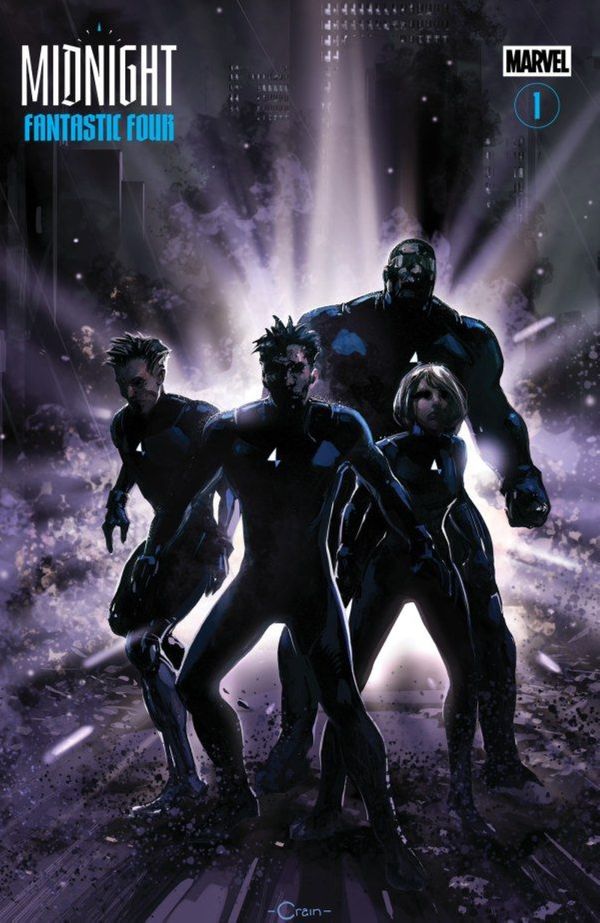
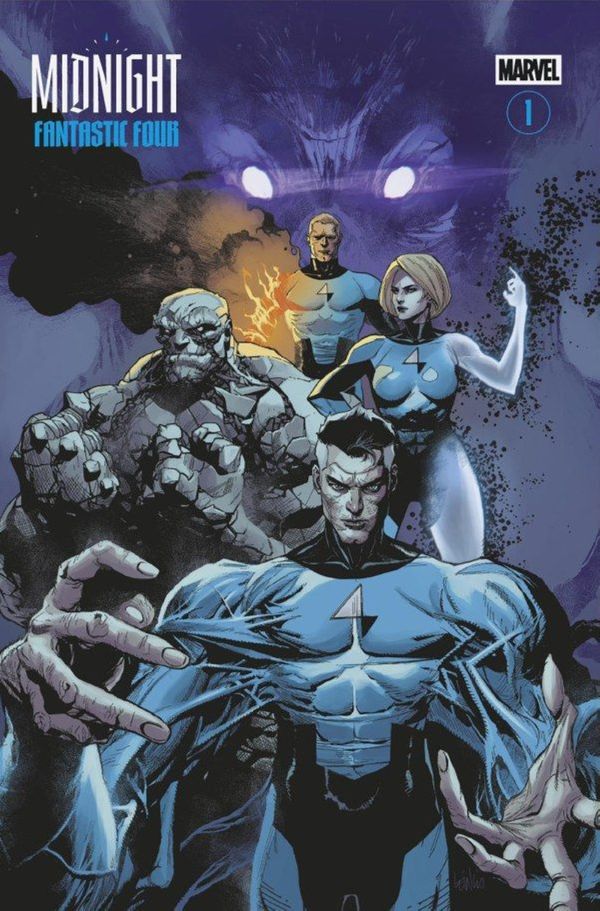
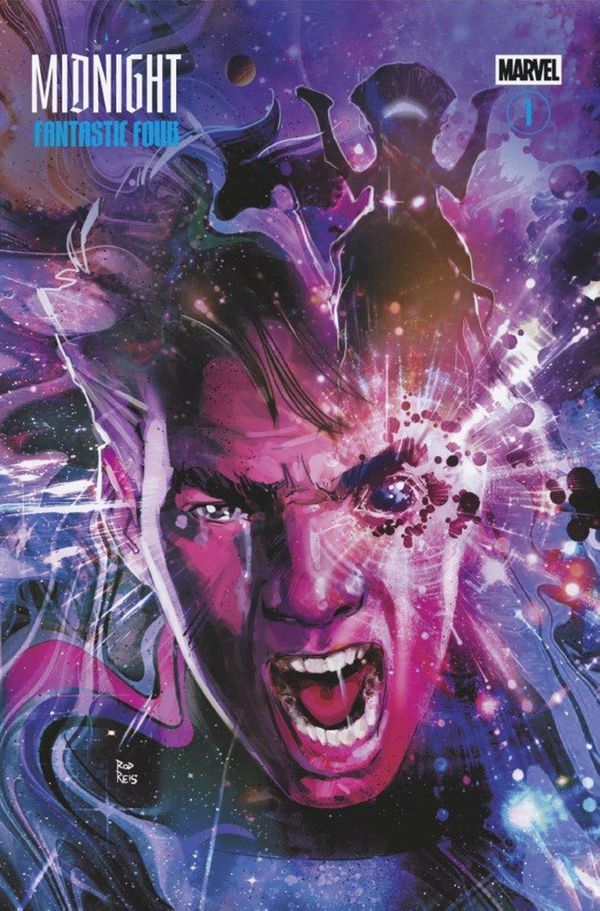
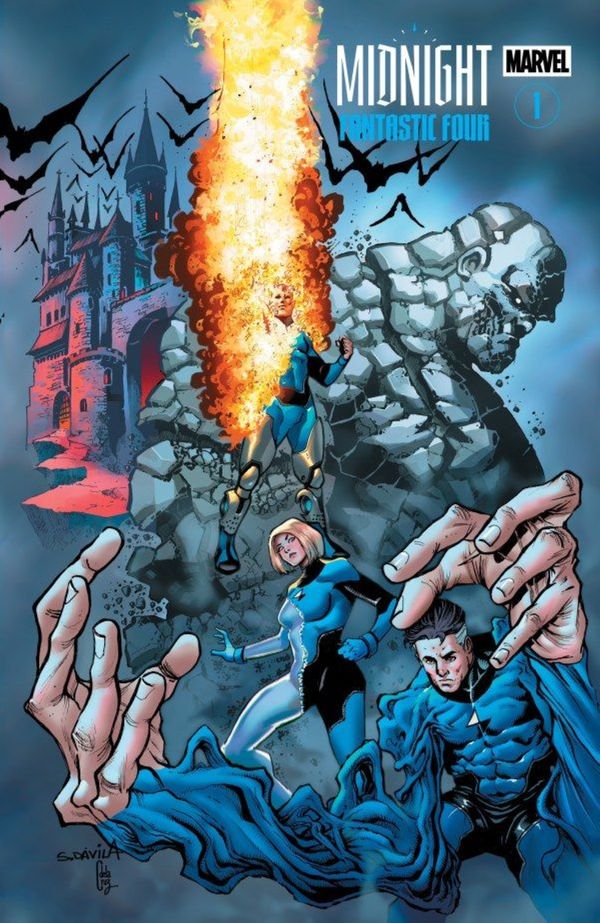
Analysis of Midnight Fantastic Four #1:
First Impressions:
I read Midnight Fantastic Four #1 last out of the Midnight title launches by pure, random selection. While it’s not perfect, I inadvertently saved the best for last. Ben Percy understood the assignment.
Plot Analysis (SPOILERS):
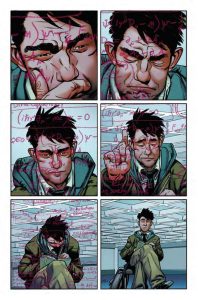
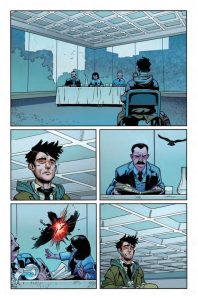
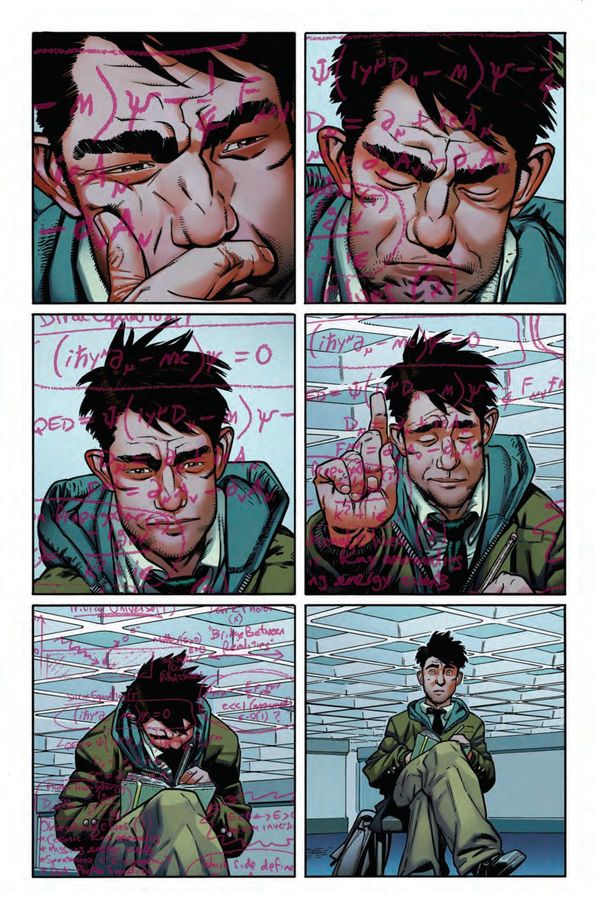
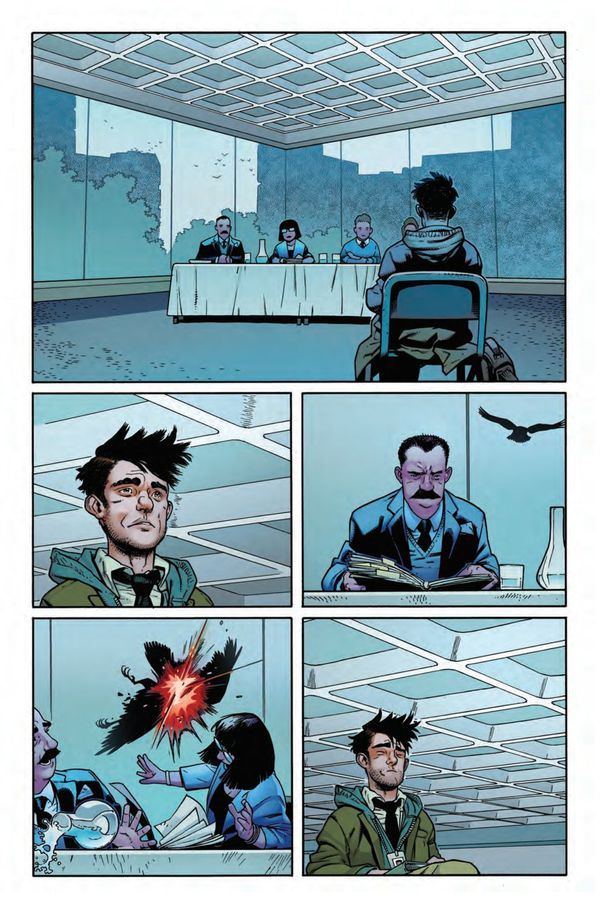
Midnight Fantastic Four #1 begins during a hearing at the New York Institute of Technology (NYIT), where Reed Richards has been called to justify his work performance. He fails the review and is “invited” to leave NYIT with extreme prejudice. Outside the building, Reed takes pity on a bird that died when it crashed into a window and decides to bury it or at least relocate the bird to a less public resting place than the sidewalk. Suddenly, the bird’s corpse sprouts tentacles, causing Reed to drop it and flee.
Later, Reed breaks into his former lab to complete an experiment he’s obsessively pursuing with his grad student assistant, Victor. We see that Reed’s recent waves of brilliance come from popping pills of unknown composition. When Victor makes adjustments to the experiment – a gateway to the Negative Zone – Reed’s drug-distracted brain doesn’t notice Victor is still adjusting, and he sets off the experiment early. Victor is horribly mutilated, Reed’s temples are zapped white, and the massive explosion causes catastrophic damage.
Weeks later, Reed is visited in jail by Sue Storm – a tech billionaire who specializes in building rockets – and her bodyguard, Ben Grimm, with an offer. She cleared Reed’s charges and brings him to her headquarters in California on a plane flown by her brother Johnny, a pilot who suffers from doubt after a catastrophic crash that cost him his legs. Before they talk business, Sue orders Ben to force Reed through a rigorous detox regimen, where we see that the pills Reed has been popping may be more than just chemical.
The issue concludes with Sue showing Reed why her rockets have a reputation for exploding, and it has everything to do with the massive entity that holds the Earth hostage.
How is the story in Midnight Fantastic Four #1?
Okay, this is the type of creative thinking that I wanted to see coming from the Midnight line. Benjamin Percy’s tale feels familiar-yet-fresh with a cosmic horror twist on the Fantastic Four’s origin story. The setup completely works, blending the classic origin with a little bit of rocketry history, and a healthy dash of Lovecraftian madness. You can pick out the familiar characters, but their personalities and roles are significantly different from their Earth-616 counterparts. And the last-page reveal is intriguing and cool at the same time.
Is it perfect? Not exactly. There are a few spots in the comic where jumps are made that leave out what could be important details. For example, how much damage (or not) did Reed’s experiment cause? We don’t know. How did Victor survive and get to Latveria? We don’t know. Fortunately, these examples represent only minor problems peppered throughout.
Marvel has insinuated that the Midnight line is meant to be a counter to the DC Comics Absolute juggernaut. If that’s true, Midnight Fantastic Four #1 needed to 1. feel familiar-yet-original, and 2. be scary to keep with the Midnight theme.
Does it feel familiar-yet-original? Yes, the names and faces are the same, but the world they live in, who they are, and the nature of their relationships are just different enough to feel like you’re reading about these characters for the first time.
Is it scary? Mostly, yes. Horror stories are not horror stories because you toss in monsters and gore. There needs to be a tense feeling of mood, atmosphere, and dread. Percy’s story has grotesque, monstrous elements AND the pervasive sense that something terrible is lurking in the shadows.
Of all three Midnight titles, Percy’s twist on the Fantastic Four hits the mark.
How is the art in Midnight Fantastic Four #1?
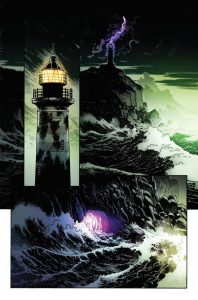
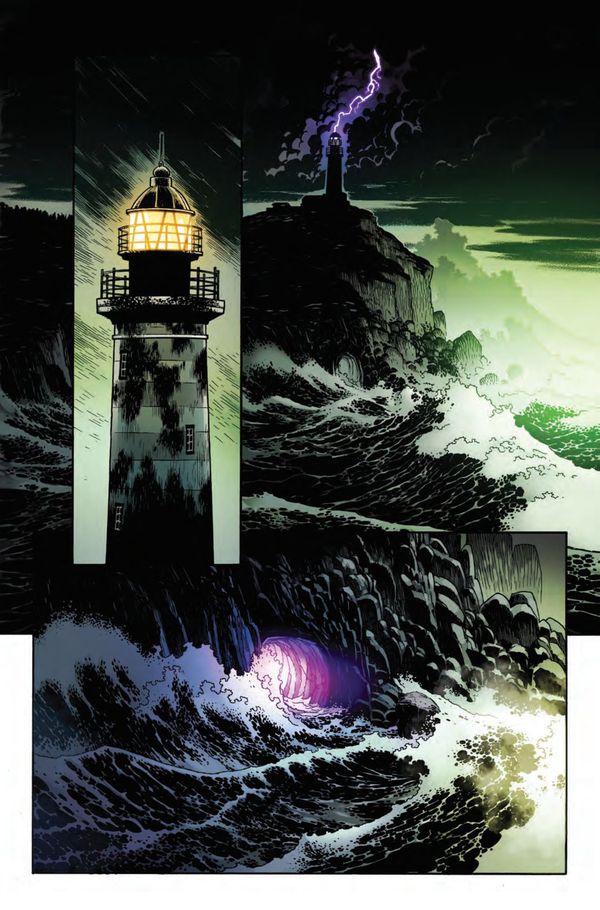
Kev Walker was the right/best pick for this title. If you read the 2019 Dr. Strange run, you could already see that Walker knew how to do weird, tentacled, eldritch horrors from beyond time and space, so the central concept of this title was an easy fit. Walker gives you distinctive character designs, gloopy gore to unsettle you in just the right amounts, excellent facial acting, and excellent detail in the pencils/inks. Plus, Walker uses heavy shadows to play up that sense of dread in as many panels as possible to elevate the horror theme.
Second but no less important is Frank D’Armata’s deceptively excellent color choices. D’Armata employs a subtle yet diverse range of blues, dark violets, and natural earth tones to put dark elements in unexpected places, elevating the sense that the unnatural is hiding beneath the surface.
Characters
Reed is the central figure throughout the issue, and Percy plays him up as an obsessed figure who takes reckless, extreme steps to achieve his designs. The harm he causes is unintentional, but that’s what makes his obsession so dangerous. Now, Sue Storm figuratively beats the obsession out of Reed, and that step shows how Sue’s presence can be a grounding force in Reed’s life without going through a lengthy courtship to make her influence obvious. Percy is very smart in how he constructs their relationship.
Originality & Concept Execution
Percy gets bonus points for originality because the classic elements of the Fantastic Four are all here, but it’s never been presented in a way that twists what you know into something new. For example, the ending demonstrates that a “barrier” is preventing Sue’s rockets from leaving the atmosphere. Without spoiling how or why, it’s a unique alternative to Galactus’s energy barrier that trapped the Silver Surfer on Earth. That’s the kind of creative reimagining readers want to see from Midnight.
Pros and Cons
Art Samples:
The Scorecard:
Writing Quality (Clarity & Pacing): 3.5/4
Art Quality (Execution & Synergy): 4/4
Value (Originality & Entertainment): 1.5/2
Final Thoughts:
(Click this link 👇 to order this comic)
Midnight Fantastic Four #1 is the strongest of the three Midnight launches by far. Benjamin Percy’s reimagining of the Fantastic Four’s origin mixes sci-fi, Lovecraftian gore, and creepy dread. Plus, Kev Walker’s art style is a spot-on match for the material. Only a few minor gaps hold this issue back from a perfect score.
Related Posts:
We hope you found this article interesting. Come back for more reviews, previews, and opinions on comics, and don’t forget to follow us on social media:
If you’re interested in this creator’s works, remember to let your Local Comic Shop know to find more of their work for you. They would appreciate the call, and so would we.
As an Amazon Associate, we earn revenue from qualifying purchases to help fund this site. Links to Blu-Rays, DVDs, Books, Movies, and more contained in this article are affiliate links. Please consider purchasing if you find something interesting, and thank you for your support.