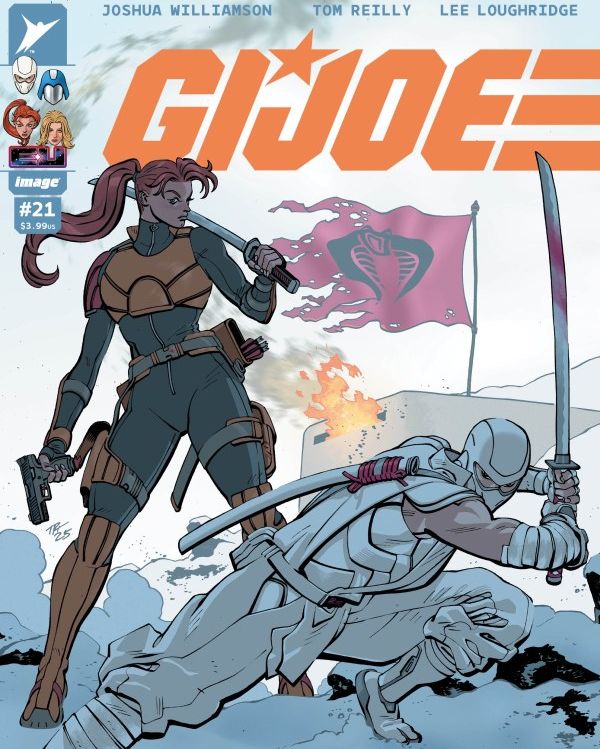
G.I. Joe #21 (Image Comics, 4/15/26): Writer Joshua Williamson and artist Tom Reilly deliver a mostly silent issue, when Snowjob is sent to extract Scarlett from the Arashikage. This issue delivers on all fronts and is partly the type of G.I. Joe comic fans have been waiting for. Verdict: One of the better entries in the Skybound G.I. Joe run.
Credits:
- Writer: Joshua Williamson
- Artist: Tom Reilly
- Colorist: Lee Loughridge
- Letterer: Rus Wooton
- Cover Artist: Tom Reilly (cover A)
- Publisher: Image Comics
- Release Date: April 15, 2026
- Comic Rating: Teen
- Cover Price: $3.99
- Page Count: 32
- Format: Single Issue
Covers:

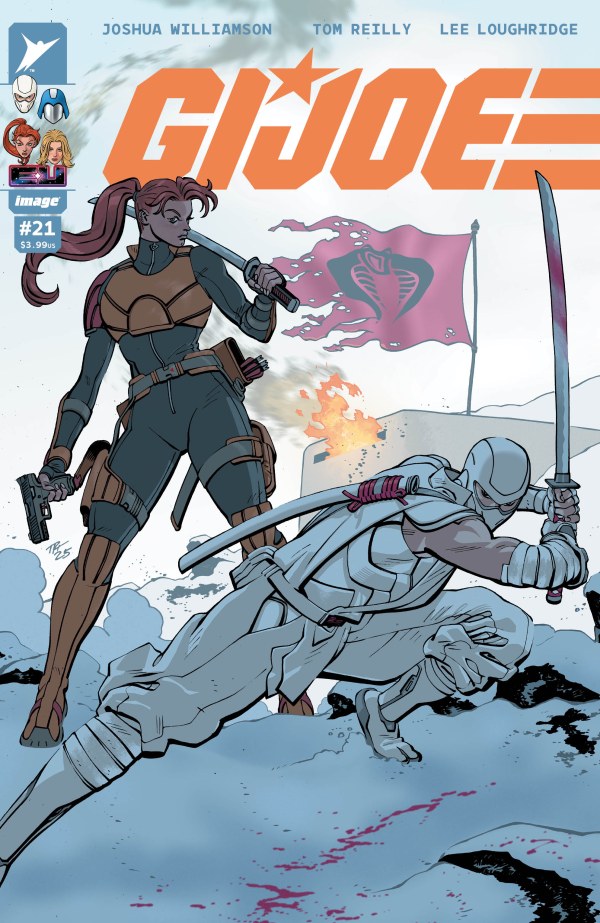
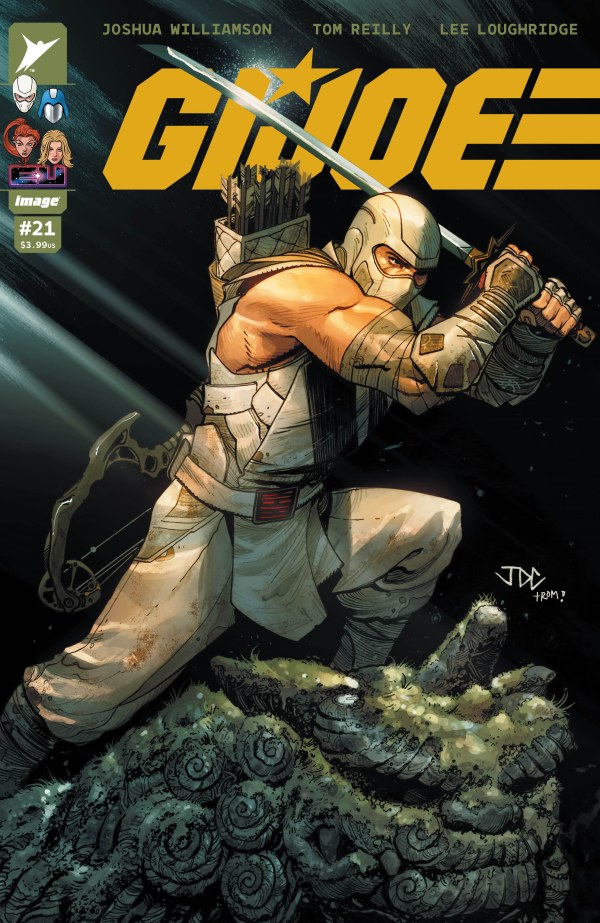
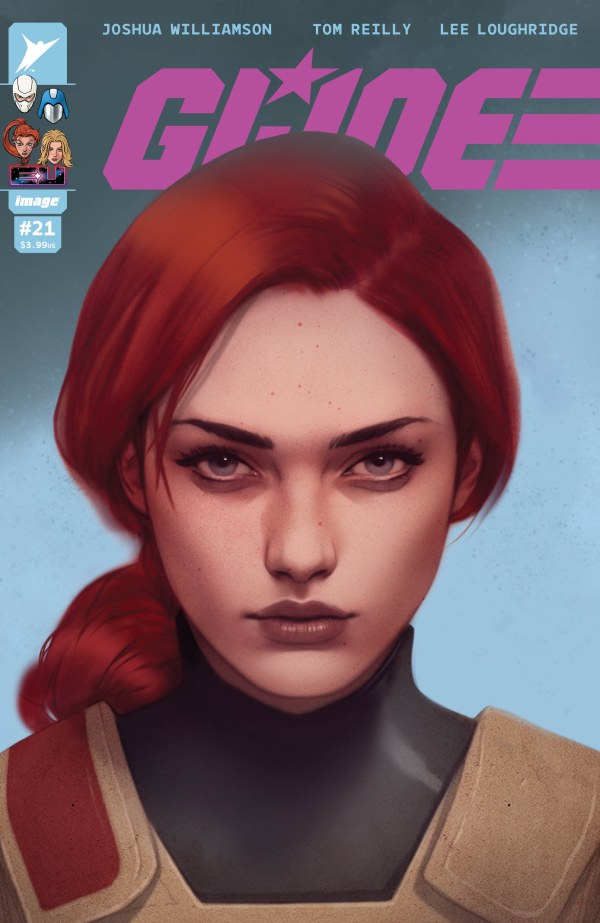
Analysis of G.I. Joe #21:
First Impressions:
It’s impossible to look at Joshua Williamson’s run on G.I. Joe without asking how it stands up to Larry Hama’s run on A Real American Hero so far. It hasn’t quite measured up. Nothing against Williamson, but Larry Hama has simply been at it longer, and this run has shown some inconsistency in both story and art. However, this is by far one of the best issues in Williamson’s run. It has action, clear stakes, defined goals, and real dramatic impact—everything you want out of a strong story.
Recap:
In G.I. Joe #20, the Joes and the Transformers finally come together to determine whether they are allies or enemies. The issue culminates with Optimus Prime—no longer a Prime—and Duke reaching an agreement to cooperate, as long as it serves their mutual interests.
Plot Analysis (SPOILERS):
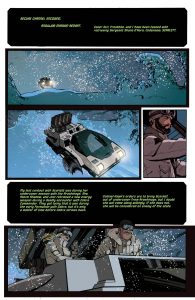
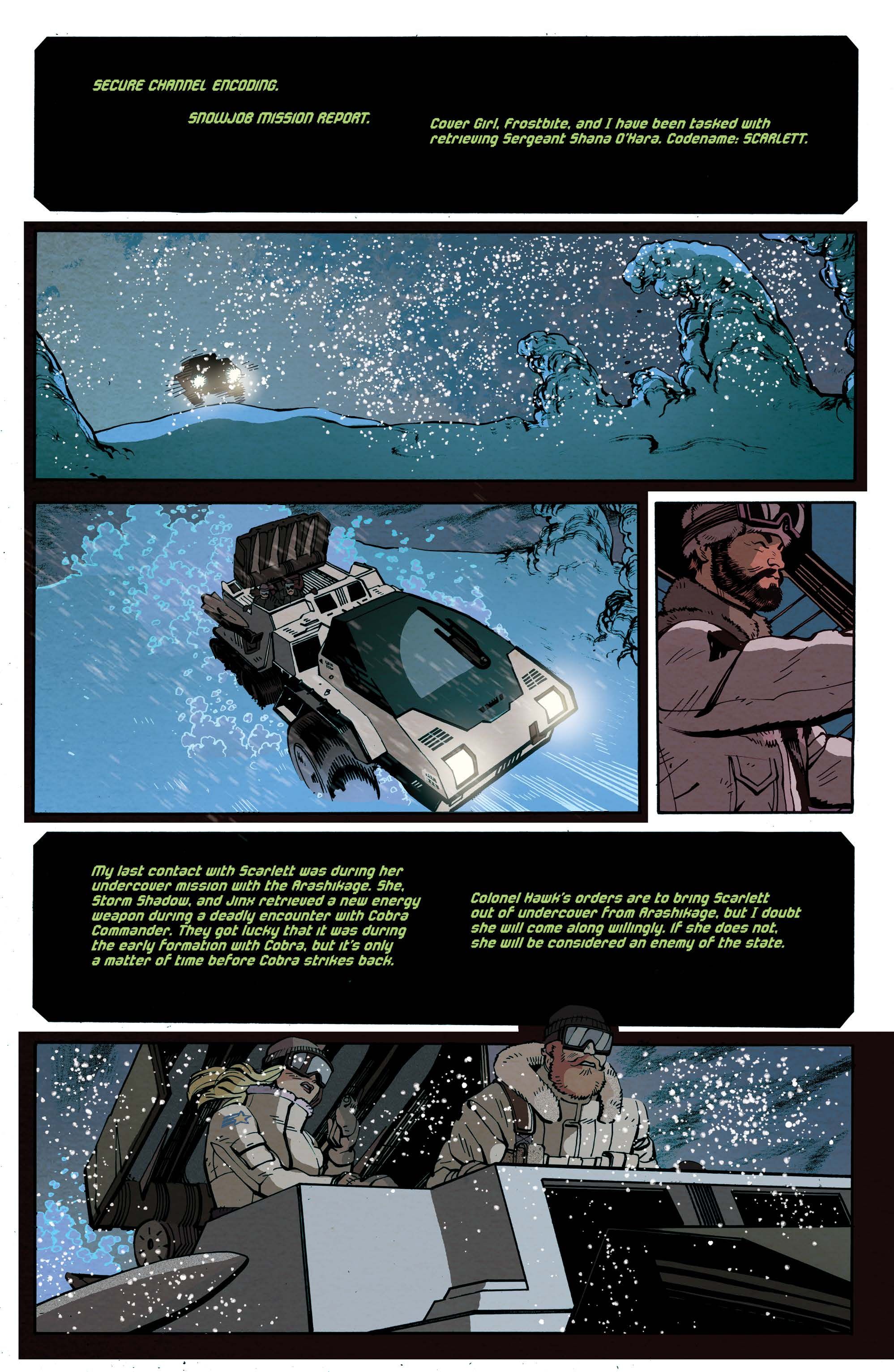
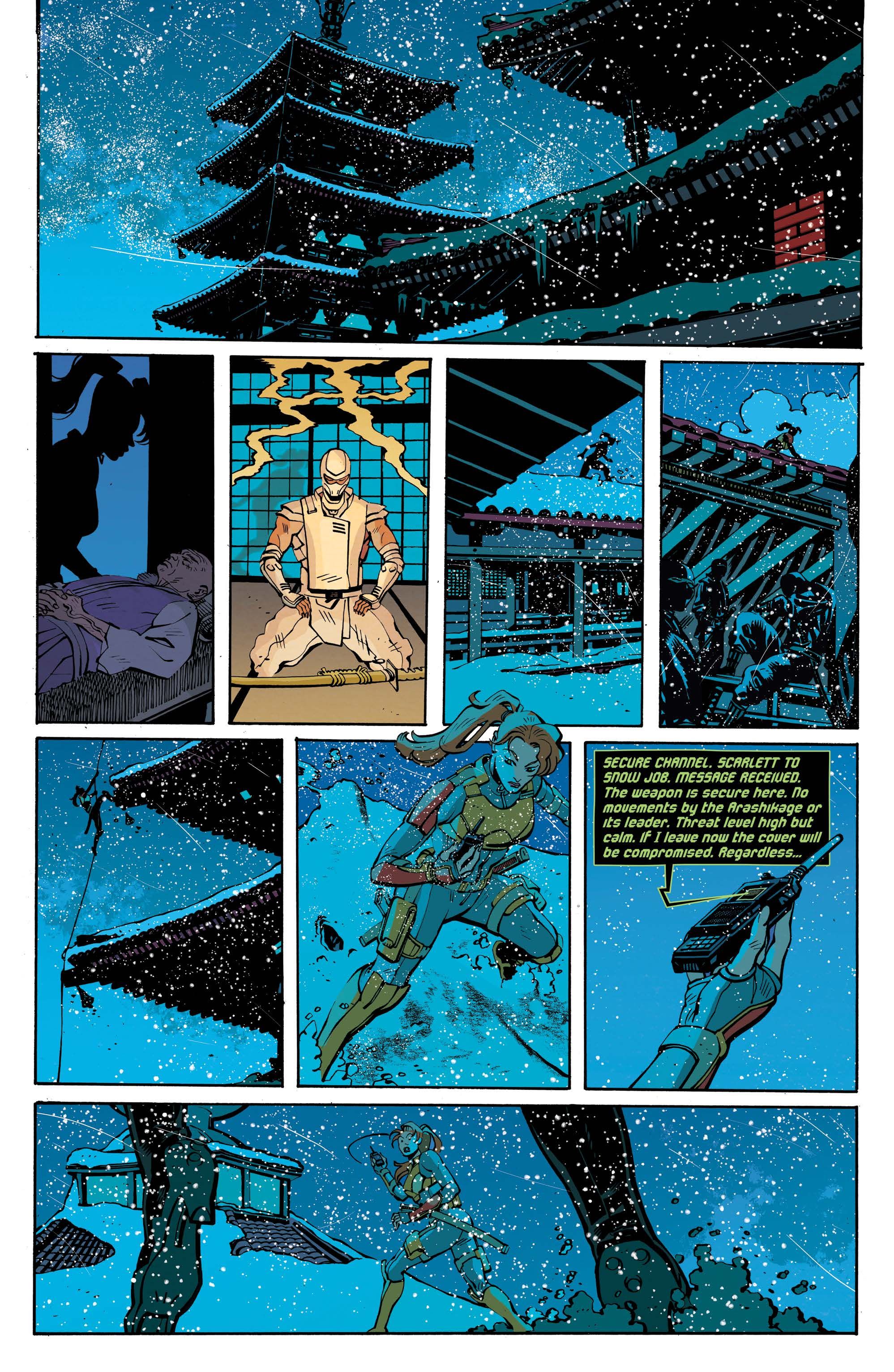
The issue begins with Snowjob narrating a mission report. He’s sent to extract Scarlett from the Arashikage after she went undercover to help recover Jinx and learn what the clan intends to do with an energy-based weapon—an Energon-infused sword. While Snowjob is en route, Scarlett begins executing her own escape plan, but she’s intercepted by Jinx. Meanwhile, the newly formed Cobra decides to raid the Arashikage clan to retrieve the Energon sword.
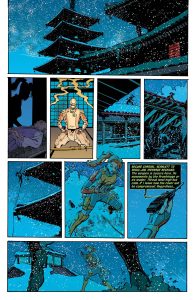
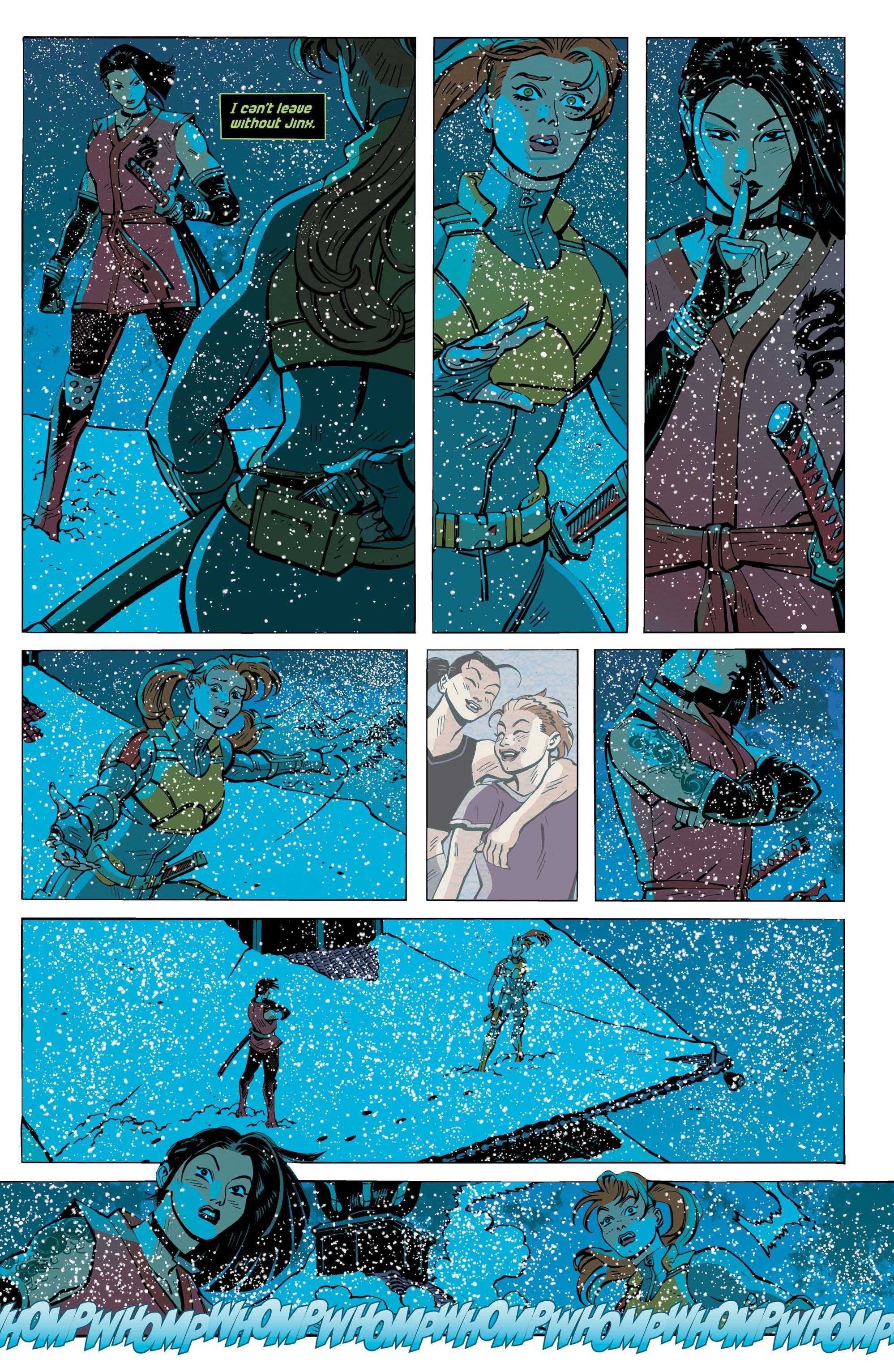
What follows is an all-out battle between Cobra forces and Arashikage ninjas, with Scarlett and Jinx caught in the middle trying to escape. Storm Shadow eventually enters the fight, attempting to stop Cobra from acquiring the weapon. By the end of the issue, people are hurt or killed, the weapon changes hands, and the threat of the newly formed Cobra becomes more dangerous than ever.
How is the story in G.I. Joe #21?
At the risk of sounding redundant, this is one of the best issues Joshua Williamson has written for this series. It’s clean, straightforward, and impactful. There’s action, consequences, and a meaningful status quo shift. All the fundamentals of a strong story are present. The mostly silent format—aside from brief narration at the beginning and end—may actually work in Williamson’s favor, allowing the story to breathe without relying heavily on dialogue.
How is the art in G.I. Joe #21?
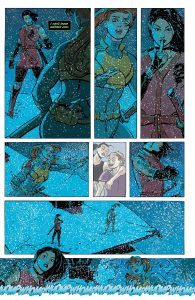
Tom Reilly returns to his regular art duties and does an excellent job translating a mostly silent script into a visually compelling, emotionally driven narrative. The linework is clean, the storytelling flows smoothly, and transitions between panels are sharp and effective. All the energy and impact you want from an action-heavy issue are present.
Colorist Lee Loughridge elevates the art significantly. Unlike the muddier tones seen in previous issues, the colors here are vibrant and clear—even in dark or nighttime scenes. The use of contrast ensures that every panel pops, bringing the setting to life. Letterer Rus Wooton also deserves credit for maintaining clarity and pacing in a largely silent issue.
Characters
This is an ensemble piece, but Scarlett takes center stage. The story revolves around her from both the G.I. Joe perspective and Jinx’s perspective. What sells the issue is Scarlett’s emotional conflict. On one hand, she wants to escape, reunite with the Joes, and be free of the Arashikage’s plans. On the other hand, she struggles with Jinx’s refusal to leave, creating a sisterly tension that adds real dramatic depth.
Originality & Concept Execution
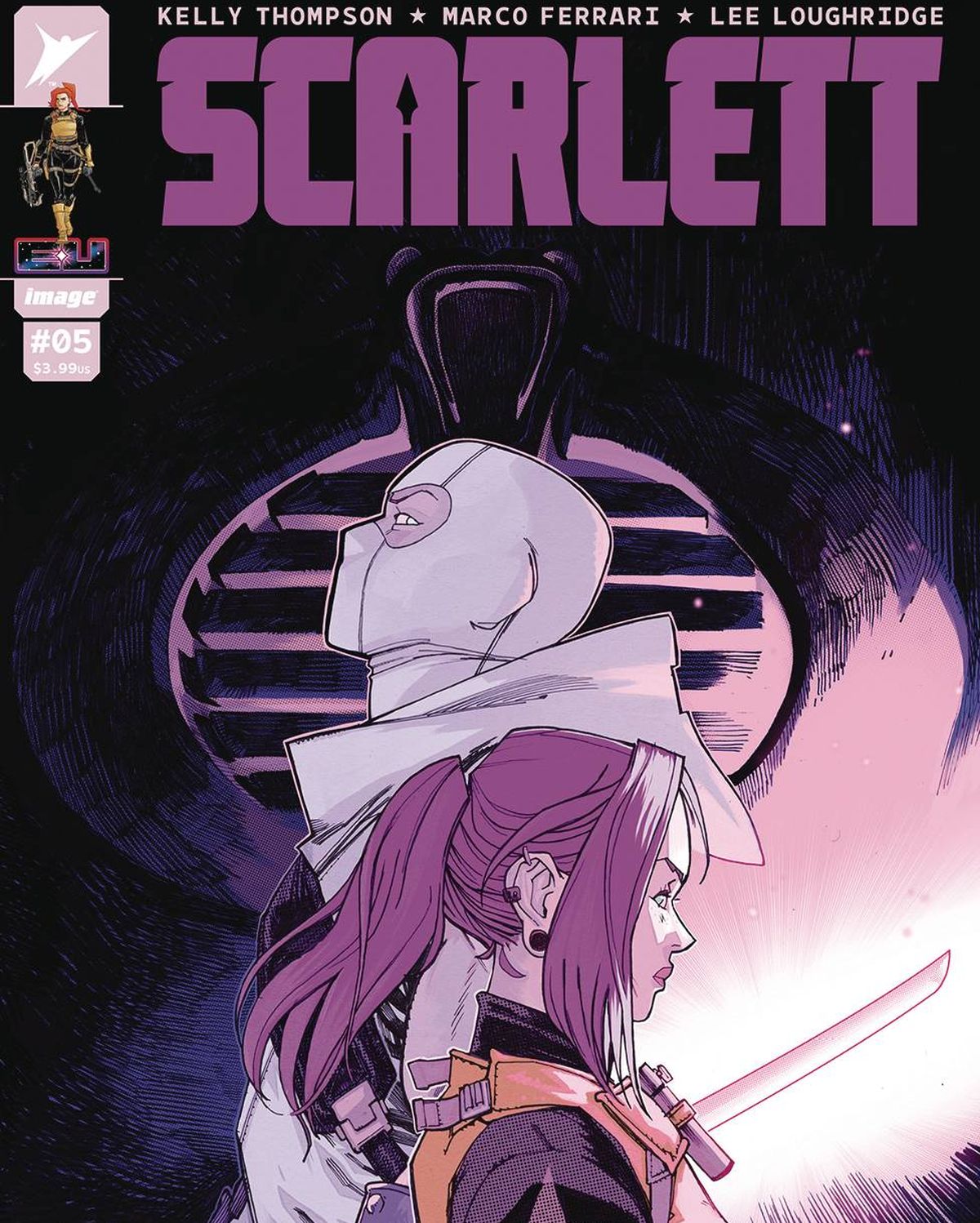
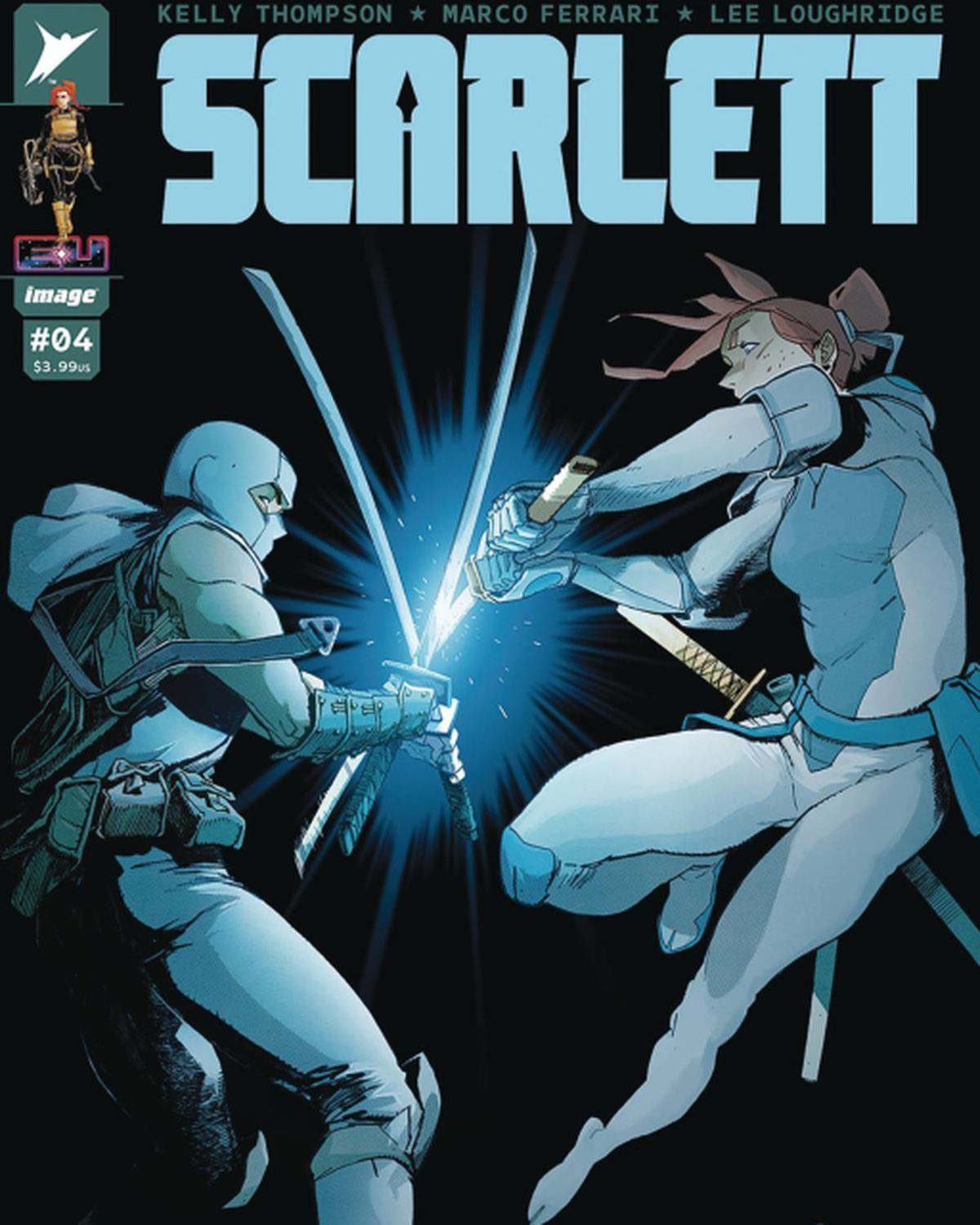
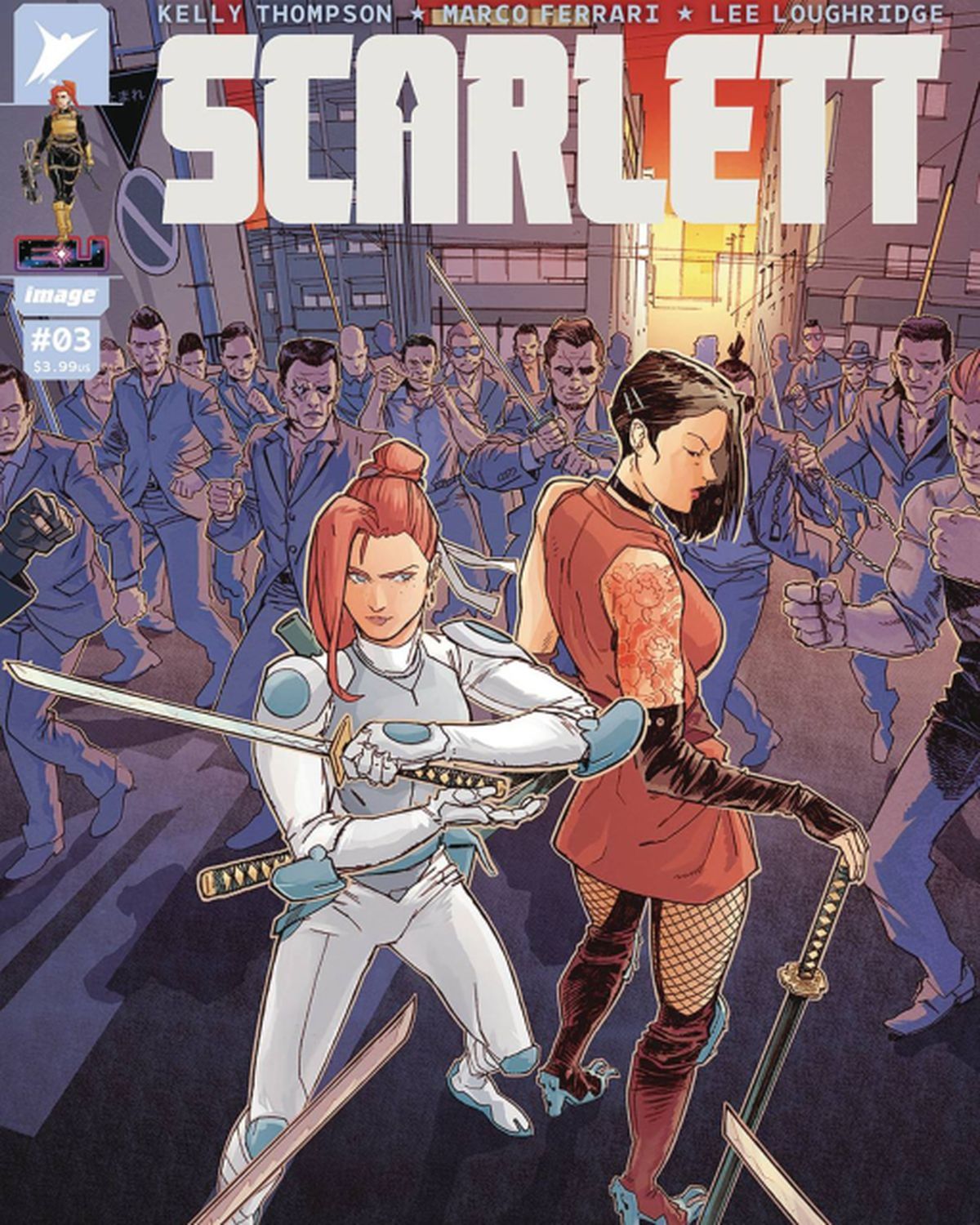
Whether or not it was advertised in the solicits, this being a mostly silent issue comes as a surprise. It may tie into Skybound’s broader “Silent Missions” initiative, and Williamson handles the format well. The premise—a Joe trying to escape undercover while Cobra raids the compound—is a strong mix of action, intrigue, and tension.
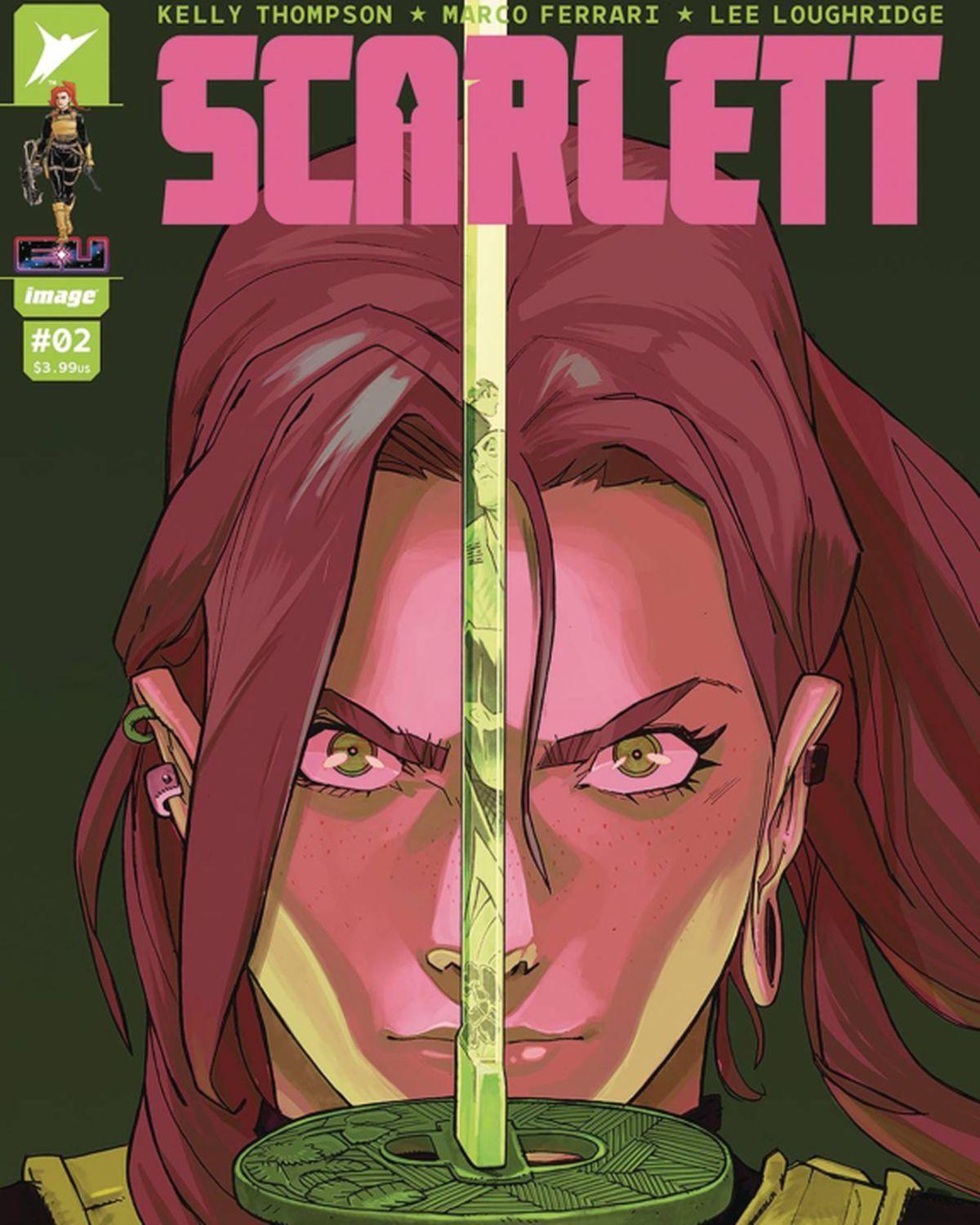
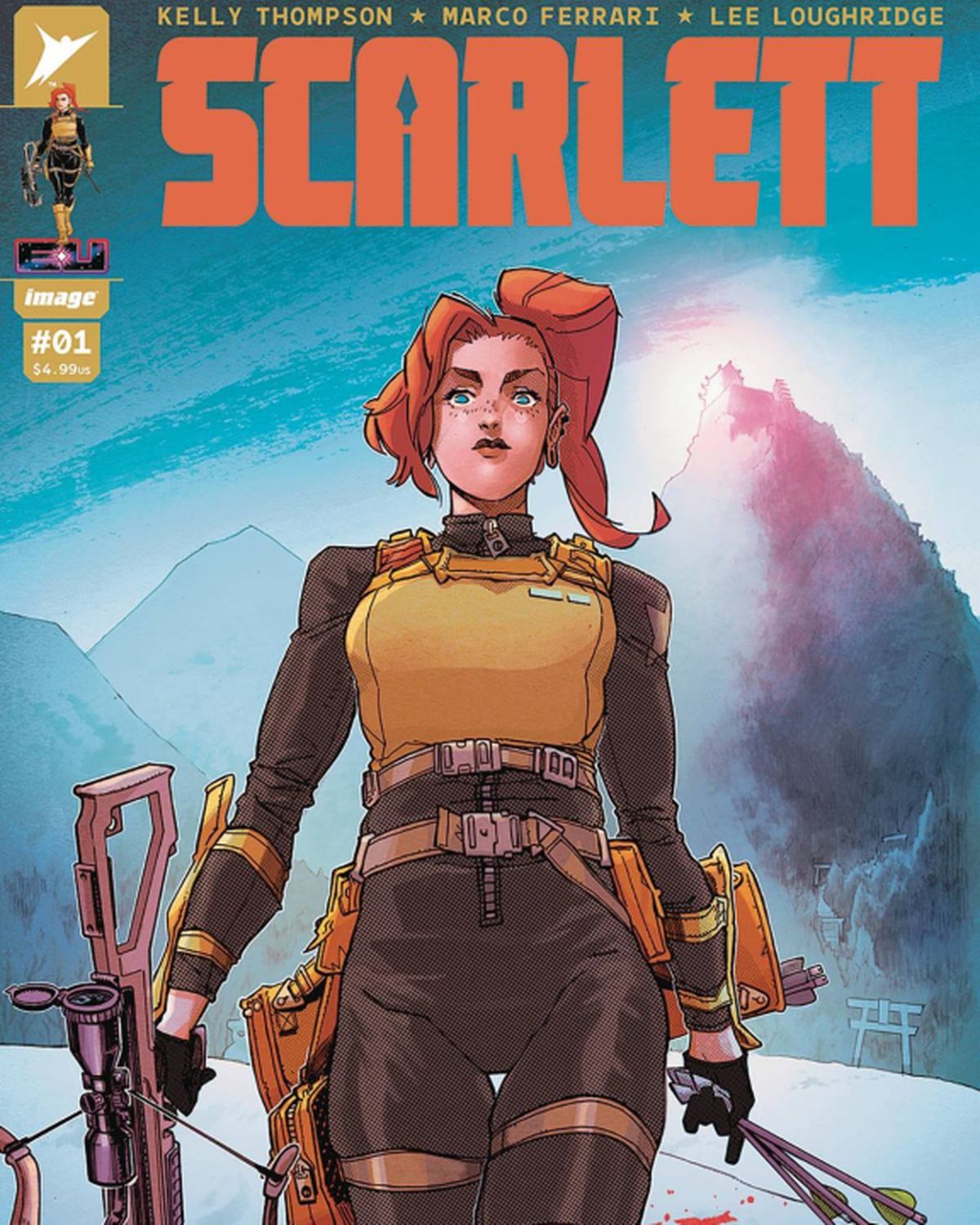
However, the biggest weakness remains the Energon sword. Its purpose is still unclear. It was introduced earlier in Kelly Thompson’s Scarlett miniseries, but even here, we still don’t fully understand what it is, what it does, or why it matters. This lack of clarity weakens an otherwise strong narrative.
Pros and Cons
Art Samples:
The Scorecard:
Writing Quality (Clarity & Pacing): 3/4
Art Quality (Execution & Synergy): 3.54
Value (Originality & Entertainment): 1.5/2
Final Thoughts:
(Click this link 👇 to order this comic)
G.I. Joe #21 is a mostly silent issue that delivers a strong, action-packed experience. Joshua Williamson crafts a satisfying follow-up to previous storylines, and the art team excels across the board. However, the central plot device—the Energon sword—remains underexplained, adding unnecessary confusion to an otherwise solid story.
Related Posts:
We hope you found this article interesting. Come back for more reviews, previews, and opinions on comics, and don’t forget to follow us on social media:
If you’re interested in this creator’s works, remember to let your Local Comic Shop know to find more of their work for you. They would appreciate the call, and so would we.
As an Amazon Associate, we earn revenue from qualifying purchases to help fund this site. Links to Blu-Rays, DVDs, Books, Movies, and more contained in this article are affiliate links. Please consider purchasing if you find something interesting, and thank you for your support.