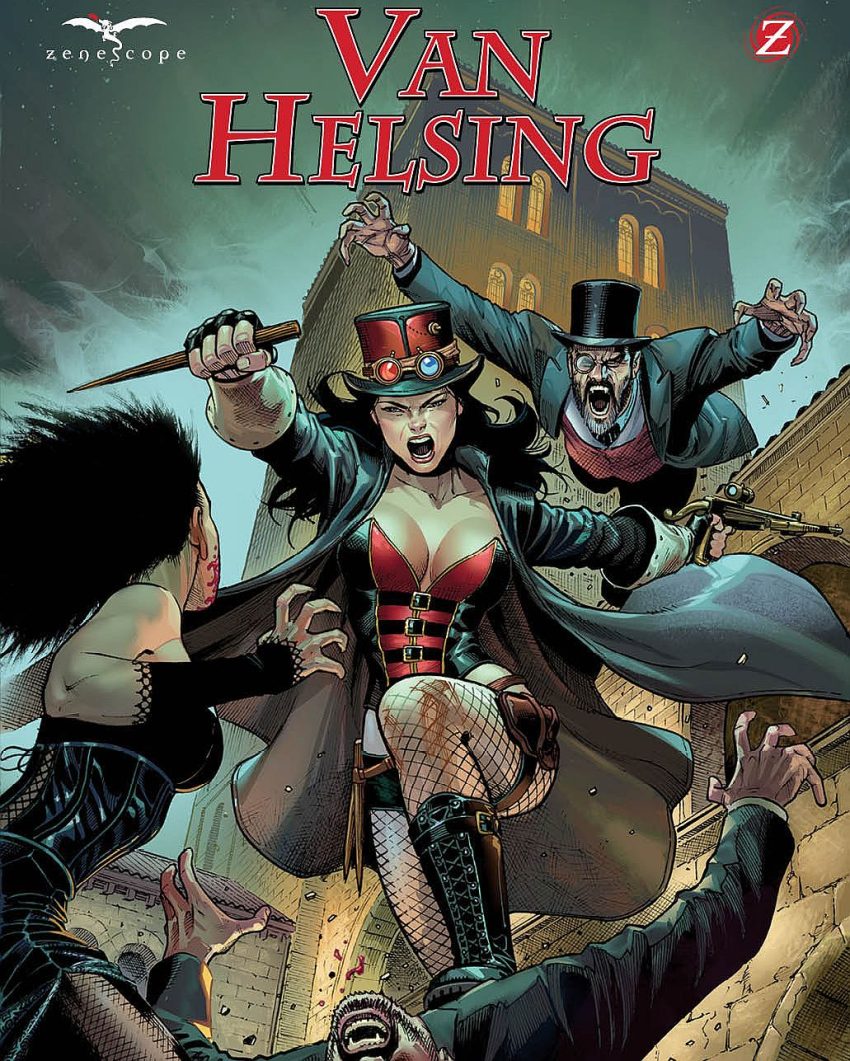
Van Helsing: Throne of Blood, by Zenescope on 1/21/26, drops you into Liesel Van Helsing’s life right as the vampire game changes with the promise that Dracula has returned… or has he?
Credits:
- Writer: Pat Shand
- Artist: JB Bastos, Babisu Kourtis
- Colorist: Grostieta
- Letterer: Taylor Esposito
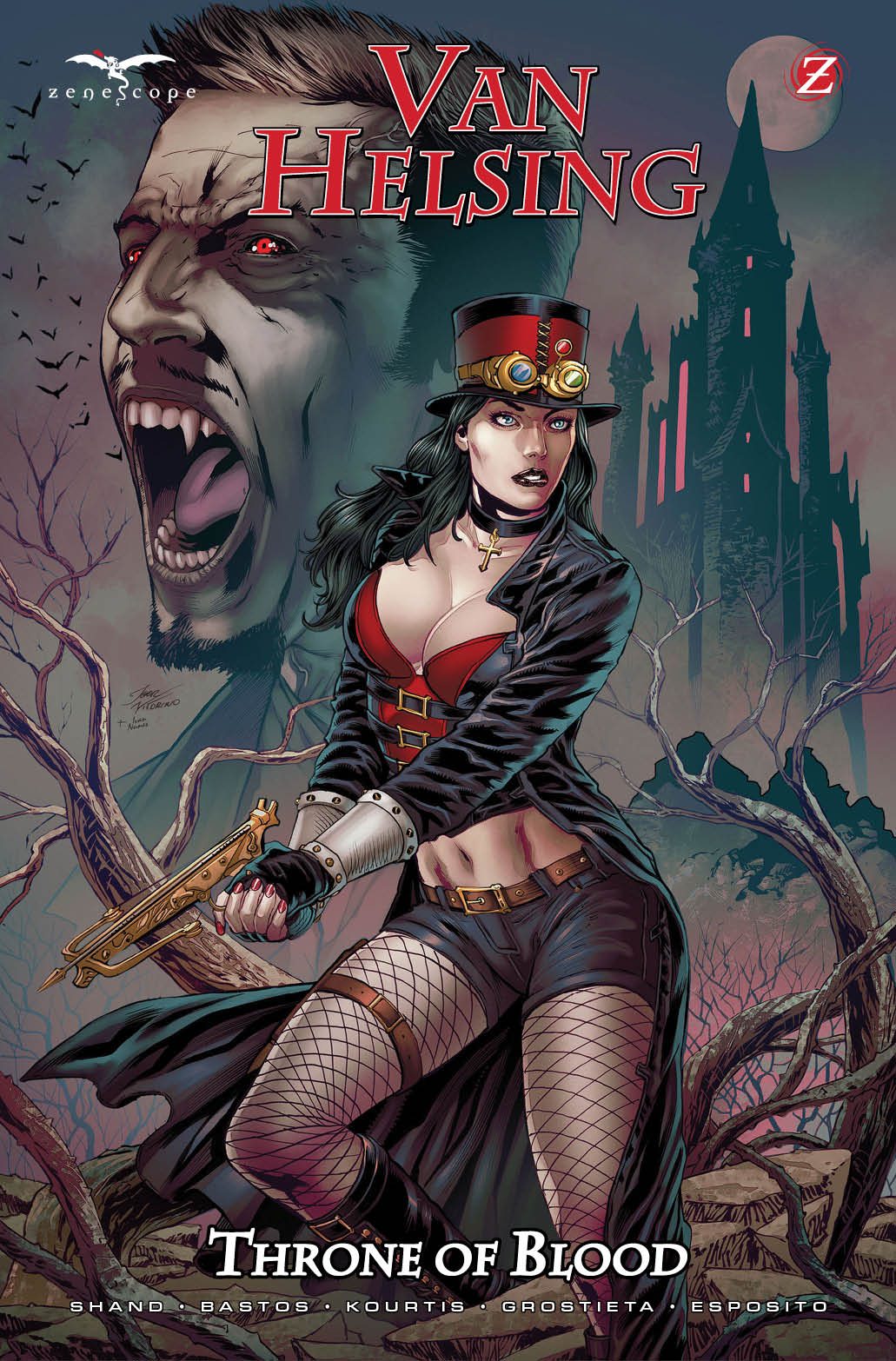
- Cover Artist: Sean Chen (cover A)
- Publisher: Zenescope Entertainment
- Release Date: January 21, 2026
- Comic Rating: Teen
- Cover Price: $6.99
- Page Count: 46
- Format: Oversized One-Shot
Covers:
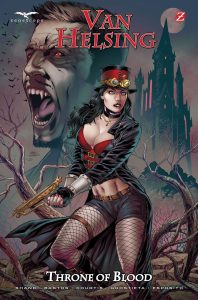
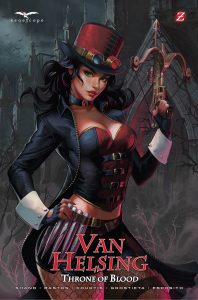
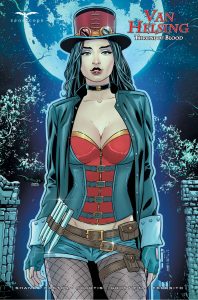
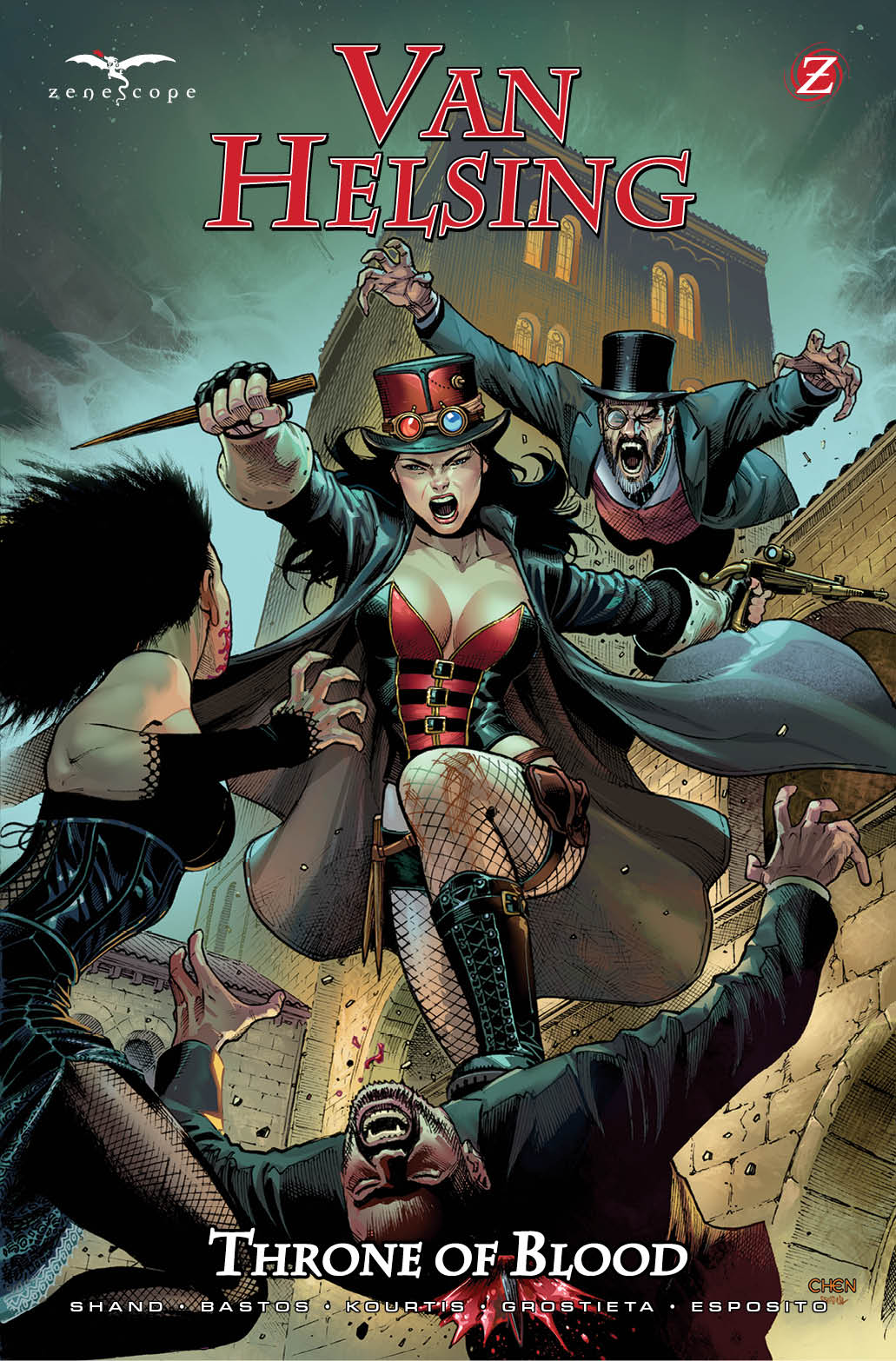
Analysis of VAN HELSING: THRONE OF BLOOD:
First Impressions:
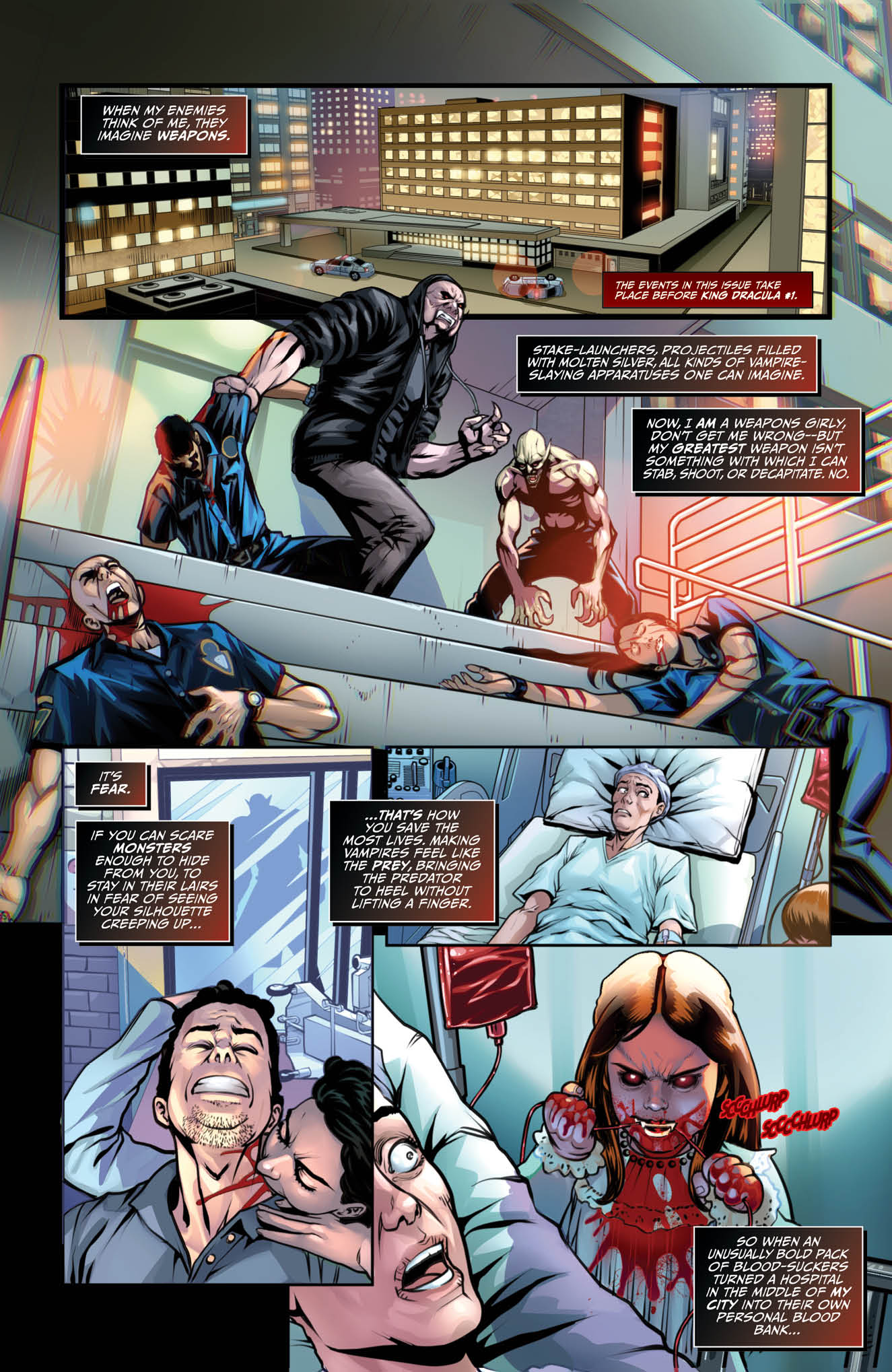
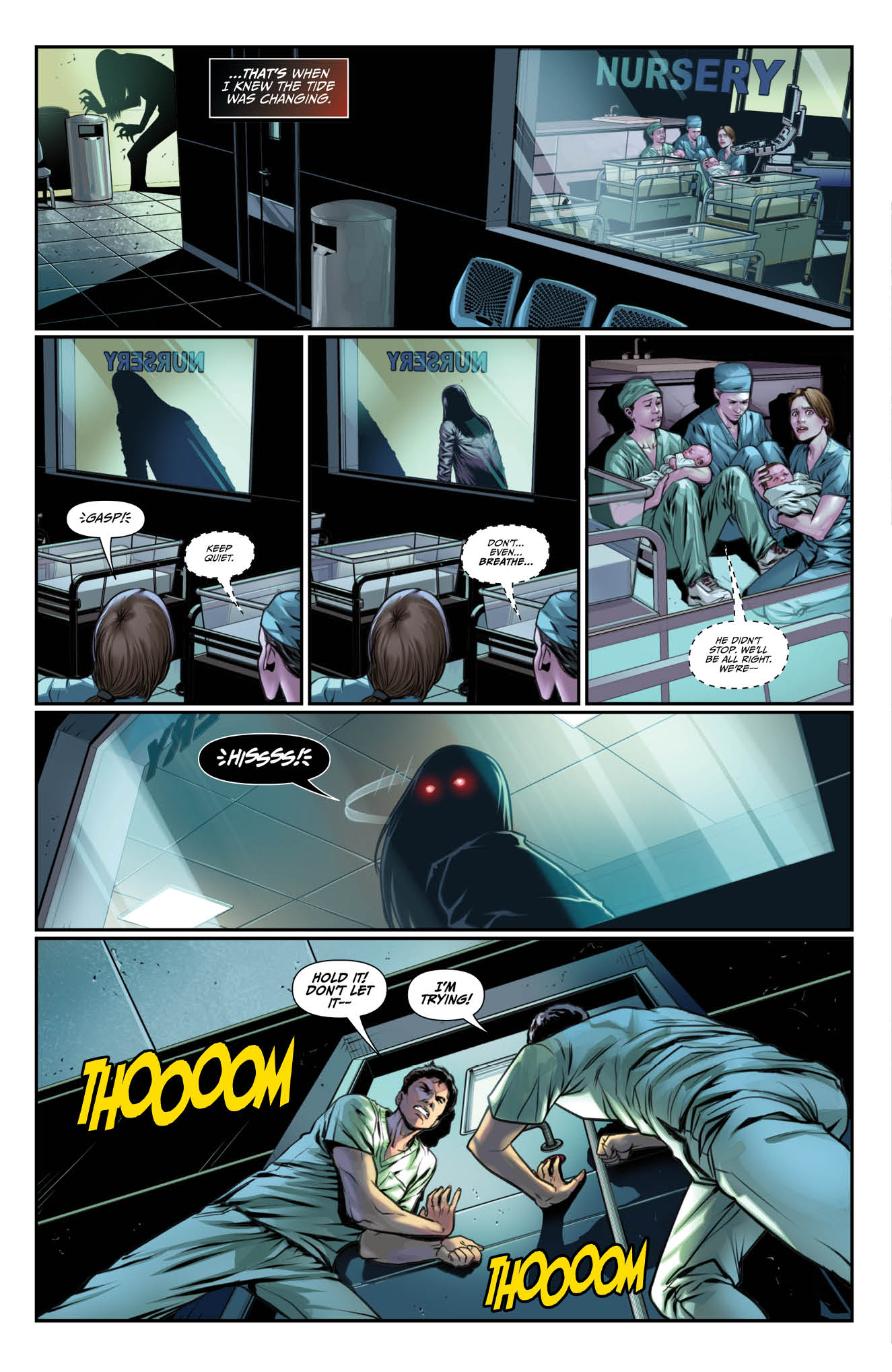
The opening in the hospital hits like a good cold open on a horror show, tight corridors, terrified staff, and Liesel cracking sharp lines while she turns vampires into dust. The core idea, that even monsters have started to ignore her legend, lands fast and gives the whole thing a creeping sense that the old rules no longer work. Right away it feels like a story that knows exactly what it wants, to knock Liesel off balance while she pretends she still has everything under control.
Recap:
This special reads as a self contained chapter that takes place before the upcoming King Dracula series, not as a direct continuation of a previous numbered issue. The comic itself tells you these events unfold before the first chapter of King Dracula, so there is no earlier Throne of Blood installment to recap. In other words, this is the opening move, not the second round.
Plot Analysis (SPOILERS):
Liesel opens by explaining how her reputation used to scare vampires into hiding, which saved lives without her having to fire a single stake. That old comfort vanishes when a bold pack of vamps turns a New York hospital into its personal buffet, forcing her to storm the halls, protect the nursery, and clear the building room by room. After a brutal fight that shows off her gadgets and her sarcasm, she captures one survivor and melts his face with holy water to get answers, only to be interrupted by Hugh de Warenne, an old world vampire who calls himself a lord of Dracula. Hugh shrugs off her usual tricks, batters her around, and still ends up with wood in his heart, dying with the smug promise that he is only one of many lords serving a returning King Dracula.
Shaken but not convinced Dracula is truly back, Liesel starts playing detective across the wider Zenescope world. She checks in with Mystere in New Orleans, Alex Igor, Robyn Hood, and Julie Jekyll, looking for any hint of these so called lords of Dracula, but mostly finds silence, awkward emotional distance, and a bit of friendly banter instead of hard intel. Then the case literally shows up at her front door, in the form of unmarked packages that keep delivering relics from her past life with Dracula, including Jonathan Harker’s old book, Mina Murray’s university diploma, and a pack of cigarettes linked to Hades, a lost love. Each item cuts a little deeper into her history, turning this from a simple hunt into a targeted mind game that drags up every trauma Dracula ever gave her.
Robyn finally offers a lead in the form of Doctor Ivory, an arcane specialist in the city, and Liesel drags herself to his office looking for something more solid than bad memories. There she finds a theatrical human assistant and the real Doctor Ivory, a talking skull with a gift for being both cryptic and smug, who confirms that the so called lords of Dracula are active and brewing an apocalypse somewhere beneath the city. While her door keeps attracting more cursed mail, including the charred skull of Renfield delivered by a fly, Liesel snaps and turns the latest horror into a tool by tagging the creature with a microchip and tracking it to its source. Following the signal into the hidden guts of New York, she discovers rows of chained human captives being stored like blood kegs, and forces herself to walk past them to keep the element of surprise, promising to come back after she deals with whatever is running the show.
Deep underground, she finds the heart of the problem, a broken but still dangerous Dracula nailed up as a sacrifice while his own lords prepare a ritual to summon their true god, an ancient progenitor called the Red God, or Vrykolakas. Dracula claims his followers betrayed him, stole his ring that holds the blood of the creature that made him, and now plan to use both him and their own lives to call something far worse than the king of vampires, begging Liesel to free him before it is too late. Liesel refuses to uncuff the devil she knows, yet still tries to sabotage the ceremony by sniping the ring away and cutting through waves of armored vampire fanatics, all while holy water bolts fly and the cavern starts to crumble. In the end she manages to knock the ritual off script but not stop it, leaving the human prisoners crushed, the Red God partly summoned, and Dracula restored and grinning, as her guilt and rage crash down harder than the stone ceiling above her.
Story
The writing is the star of this book, because it balances non stop action with a clear spine that always pushes Liesel toward a bigger problem. The pacing keeps a steady climb, starting with a tight contained hospital siege, swinging into a detective style search for answers, then dropping into full blown cult horror beneath the city.
Dialogue is sharp and character specific, with Liesel’s quips never drowning out the fear, grief, and anger that sit right behind her jokes, while Hugh, Dracula, and Doctor Ivory all sound like distinct voices from different eras. Structurally the script does a lot of work in one sitting, setting up the Lords of Dracula, teasing the Red God, visiting guest stars, and still landing on a brutal choice that Liesel will have to live with, and it never feels like the scene order is random or padded.
Art
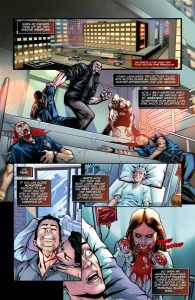
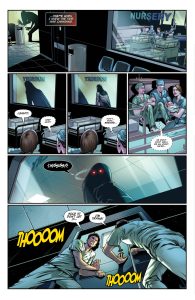
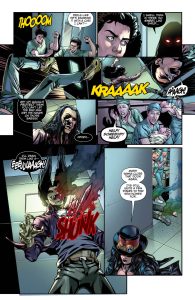
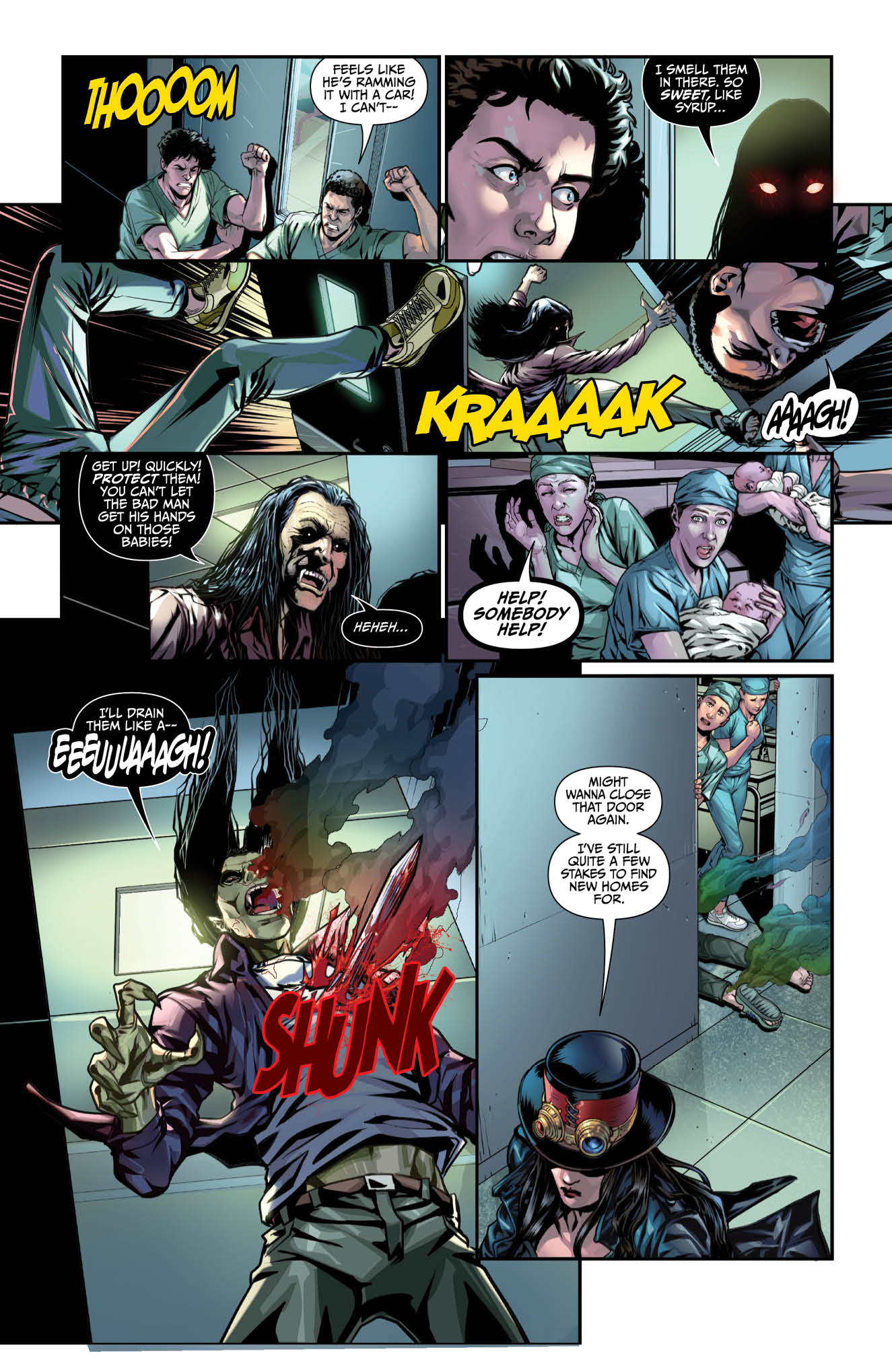
On the art side, the comic starts strong with JB Bastos, who delivers clear action, readable layouts, and character acting that sells both horror and dark humor at the same time. You can follow every move in the hospital fight, every smirk from Liesel, and every nasty bit of vampire violence, which makes the stakes feel solid and the gadgets easy to understand.
Then Babisu Kourtis takes over in the back half, and the shift in style is not just noticeable, it is jarring, because faces change, anatomy feels looser, and the overall polish drops compared to the opening chapters. The colors try to smooth the handoff and keep the mood consistent, especially in the underground cult scenes, but the line art downgrade undercuts the atmosphere just when the story is trying to go as big and creepy as possible.
Characters
Liesel’s voice and choices are the backbone of the issue, and the writing leans into her history without turning the whole book into homework for new readers. Her motivation is painfully clear, she hunts monsters not out of sport but because they destroyed her friends, family, and love life, and this story cruelly pokes every old wound to see what she does. The script keeps her consistent, clever, angry, and stubborn, yet it also lets her make a cold tactical choice that leads to innocent people dying, which gives her something heavy to wrestle with going into the next arc.
Supporting characters like Mystere, Robyn, and Julie mostly show up as quick check ins rather than deep arcs, but even those short scenes add texture, showing that Liesel has built a messy found family that she does not quite know how to lean on.
Originality & Concept Execution
The core concept, that Dracula’s own lords would rather feed him to an older blood god than follow him, is a clever way to refresh a villain who has been killed more than once. Turning Dracula into both victim and threat, while a brand new cosmic style horror waits in the wings, lets the book feel like more than another round of hunter versus vampire king.
The idea of someone tormenting Liesel with relics from Jonathan, Mina, and Hades is a smart emotional hook, because it ties the new plot to classic vampire lore and to her personal scars at the same time. Most importantly, the issue actually delivers on its promise that things are worse than before, by ending with dead civilians, a shaken hero, a resurrected Dracula, and a half awakened god, so it feels like a real turning point instead of empty hype.
Positives
The biggest win here is how cleanly the writing threads action and emotion together, making every fight scene carry real weight for Liesel instead of just being a cool splash page. The script respects the reader’s time by constantly moving forward, dropping clues in the hospital, then in the phone calls, then in Doctor Ivory’s office, and finally in the underground temple, so each scene adds new information and pressure.
The early art from JB Bastos backs that up with crisp storytelling, especially in the hospital siege and the tense quiet moments around Liesel’s doorstep, which makes the world feel dangerous but not chaotic. As a set up for a bigger saga, Throne of Blood gives you plenty of story for a single sit down, while also making it very clear what the next nightmare is going to look like.
Negatives
The most damaging flaw is the midbook art shift, because it feels like someone swapped comics on you while you were turning the pages, and that hurts immersion right when the plot hits its peak. When Babisu Kourtis takes over, the line work and consistency simply do not match the standard set by JB Bastos, so big ritual moments and brutal fights land softer than the script intends.
The book also leans hard on future payoffs, ending on a cliffhanger that is more about what comes next than about giving this chapter its own sense of closure, which can make it feel like an expensive trailer if you only buy this one. For readers with limited time and money, that combination of uneven art and heavy reliance on upcoming series lowers the overall value, even when the writing is firing on all cylinders.
Art Samples:
The Scorecard:
Writing Quality (Clarity & Pacing): [4/4]
Art Quality (Execution & Synergy): [2/4]
Value (Originality & Entertainment): [1/2]
Final Thoughts:
(Click this link 👇 to order this comic)
VAN HELSING: THRONE OF BLOOD reads like required reading for anyone already riding with Liesel Van Helsing, because the script is sharp, the stakes are real, and the fallout is going to echo into the next wave of books. If your comic budget and reading time are tight, though, this is not a completely stand alone experience, it is a very well written bridge into King Dracula and the Red God saga, held back by a noticeable art downgrade in the second half. The writing absolutely justifies checking it out if you care about the character or the larger universe, since this is where her next big nightmare officially kicks off.
We hope you found this article interesting. Come back for more reviews, previews, and opinions on comics, and don’t forget to follow us on social media:
If you’re interested in this creator’s works, remember to let your Local Comic Shop know to find more of their work for you. They would appreciate the call, and so would we.
Click here to find your Local Comic Shop: www.ComicShopLocator.com
As an Amazon Associate, we earn revenue from qualifying purchases to help fund this site. Links to Blu-Rays, DVDs, Books, Movies, and more contained in this article are affiliate links. Please consider purchasing if you find something interesting, and thank you for your support.