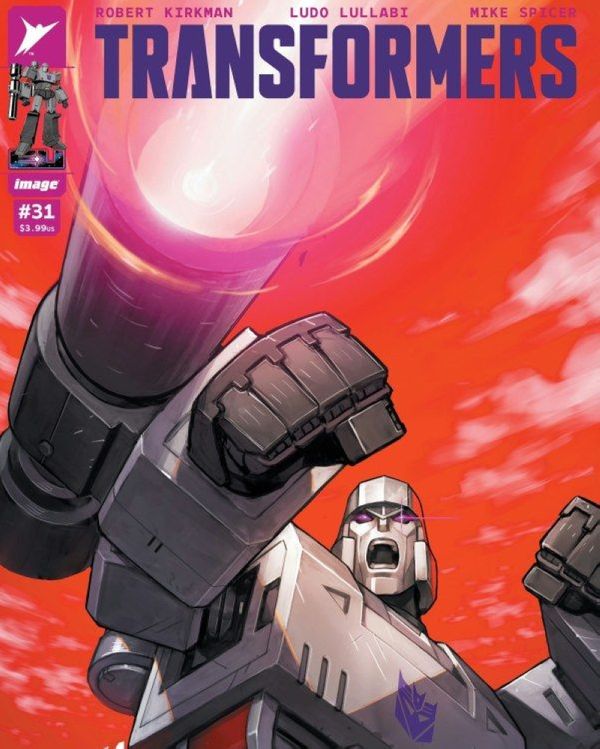
Transformers #31 (Image Comics, 4/8/26): Writer Robert Kirkman and artist Ludo Lullabi unravel Megatron’s psyche as a psychic trial on the Nemesis exposes him to ancient power. The visceral art and sharp pacing deliver a haunting exploration of control. Verdict: A must-read for fans.
Credits:
- Writer: Robert Kirkman
- Artist: Ludo Lullabi
- Colorist: Mike Spicer
- Letterer: Rus Wooton
- Cover Artist: David Nakayama (cover A)
- Publisher: Image Comics
- Release Date: April 8, 2026
- Comic Rating: Teen
- Cover Price: $3.99
- Page Count: 32
- Format: Single Issue
Covers:
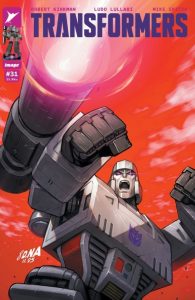
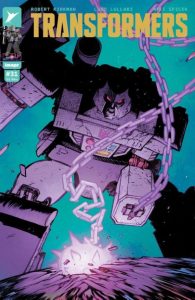
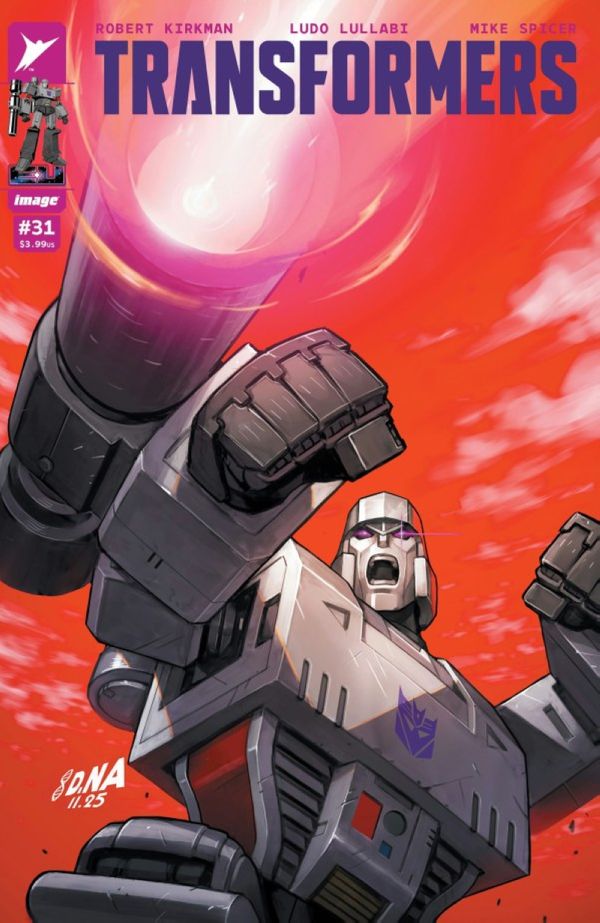
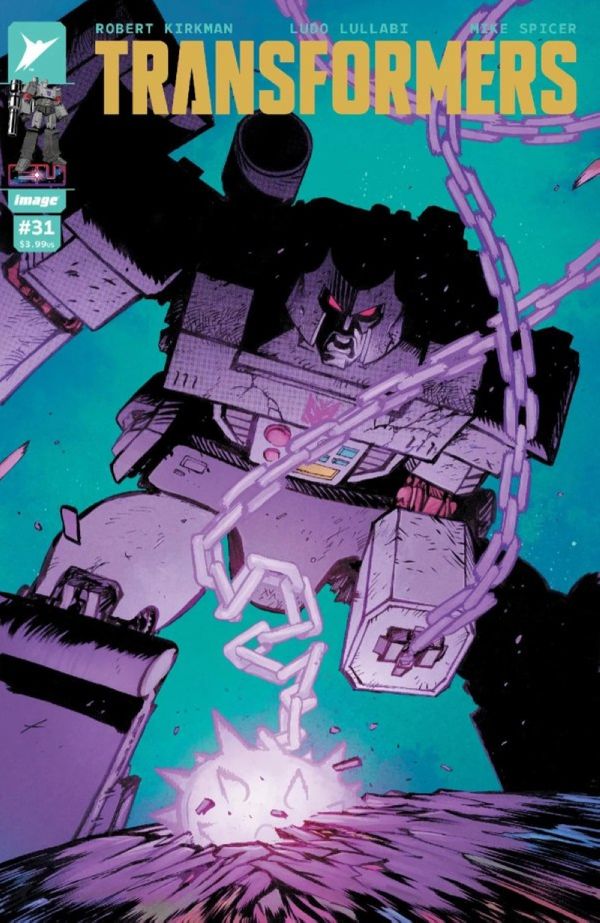
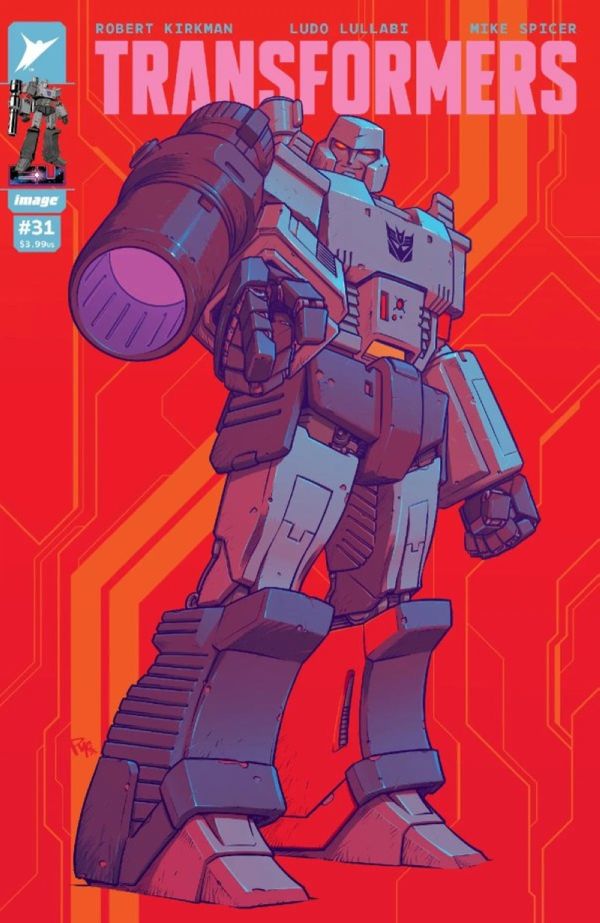
Analysis of Transformers #31:
First Impressions:
You walk into this issue thinking you know Megatron, but Kirkman and Lullabi strip him down to his spark in a way that feels heavy and earned. The psychic landscape hits with a jagged, claustrophobic energy that makes the physical fights on the Nemesis feel secondary to the war inside the commander’s head. It is a slow, methodical burn that refuses to give you the easy out of a typical action beat, instead leaning into the systemic rot of the Decepticon lineage. Watching the veteran leader refuse a “gift” of absolute power because it smells like a leash is the kind of character work that reminds you why this book stays at the top of the stack. It feels like we are finally seeing the gears behind the Energon Universe’s largest threat, and it is a lot more complicated than simple conquest.
Recap:
Following the tense leadership duel on Earth in Transformers #30, Optimus Prime surrendered the Matrix of Leadership to Elita-1, who officially became Elita Prime and departed with most of the Autobot forces to reclaim Cybertron. This major shift left a small, unburdened team behind with Optimus to finish his hunt for Megatron. Meanwhile, the Decepticons have been regrouping at the Nemesis, unaware of the internal conflict brewing within their own commander. This transition sets a dual-front stage for the ongoing war as the Autobots split their ranks and focus.
Plot Analysis (SPOILERS):
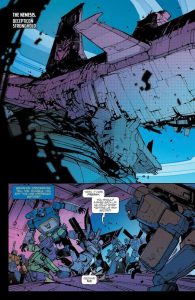
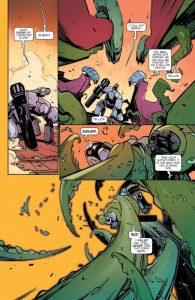
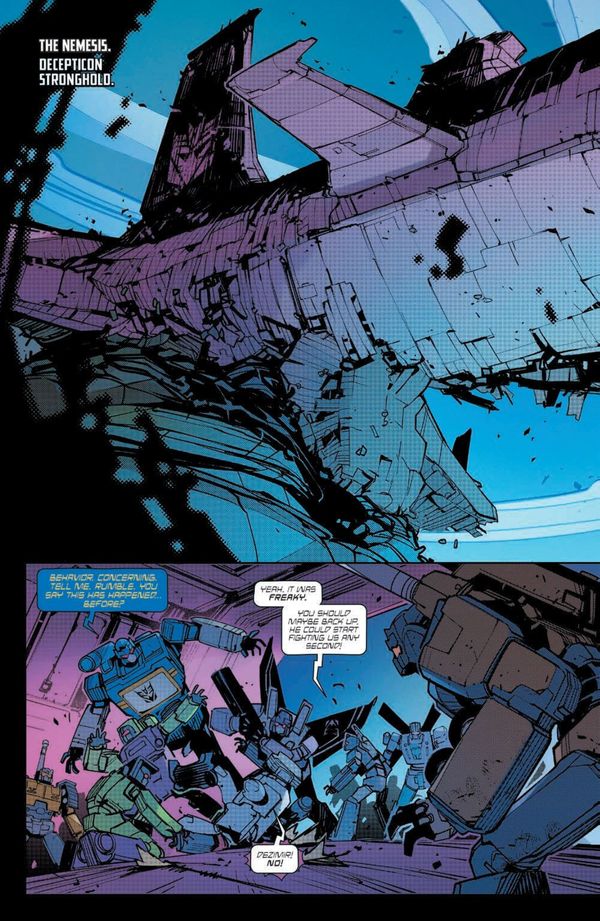
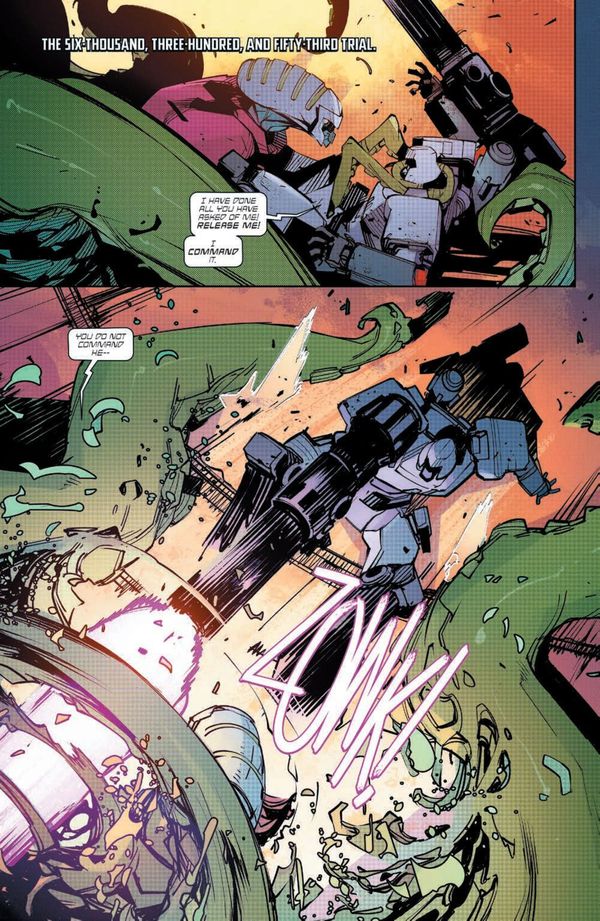
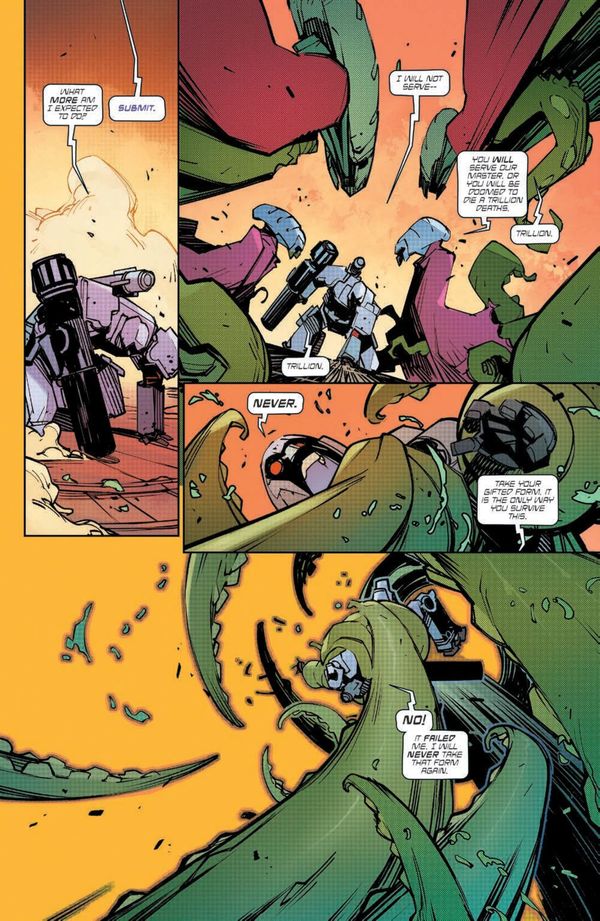
The story opens on the Nemesis where Rumble and Dezimir witness Megatron acting erratically, warning the others that the commander is entering a state of violent possession. Within his own mind, Megatron undergoes the 6,353rd psychic trial under the watchful eye of a mysterious “Master” who demands total submission. Megatronus is revealed as this orchestrator, attempting to force the Decepticon leader to accept a “Matrix of Oppression” containing the essences of his predecessors. Megatron resists the offer, recognizing that the proposed “gifted form” is merely a mechanism for control rather than true evolution.
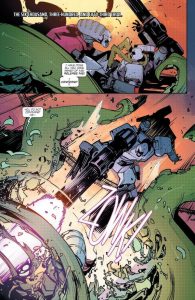
While Megatron battles for mental autonomy, his physical body goes into a destructive seizure that forces Soundwave, Skywarp, and the remaining Decepticons to defend themselves. The crew is utterly overwhelmed by their possessed leader, demonstrating a level of raw power that even his most loyal lieutenants cannot hope to contain. The trial ends with Megatron refusing to serve, asserting his will against the ancient ghost haunting his lineage. This psychic standoff leaves the Decepticon ranks in disarray and raises the stakes for the inevitable collision with Optimus Prime’s team.
How is the story in Transformers #31?
Kirkman’s handling of the story basics is masterful here, centering Megatron as the focal character whose goal of total autonomy creates a high-stakes internal journey. The dialogue in the psychic realm is blunt and weighted, avoiding flowery exposition in favor of a pragmatic battle of wills that feels authentically world-weary. Pacing is deliberate, allowing the claustrophobia of the trial to build tension before the explosive reality of the Nemesis fight grounds the stakes. The structural choice to reveal Megatronus through character motivation rather than a mere lore dump keeps the narrative momentum focused on systemic control.
How is the art in Transformers #31?
Ludo Lullabi’s visual storytelling is jagged and electric, using panel compositions that slice through the page to mimic Megatron’s fracturing psyche. The character acting in Megatron’s expressions conveys a raw, desperate pride that makes his refusal of the “Matrix of Oppression” feel palpably earned. Kinetic shadows and radar-style overlays create a sense of technological horror that distinguishes the Energon Universe from its predecessors.
Mike Spicer’s color theory leans into oppressive, cold tones that make the bursts of purple and red feel like open wounds on the page. The atmospheric transitions between the sterile, psychic white space and the dark, grime-filled corridors of the Nemesis are handled with professional clarity. This synergy between line and color masterfully accelerates the sense of dread, ensuring the reader feels the weight of every digital strike.
Characters
The refusal of power is the ultimate character beat for this version of Megatron, highlighting a consistent motivation to avoid being anyone’s pawn. This issue deepens the relatability of a tyrant by framing his villainy as a reaction to systemic oppression from his own creators. Soundwave and the others are relegated to obstacles in this issue, but their defeat serves to isolate Megatron further, establishing a lonely, dangerous path for the veteran commander.
Originality & Concept Execution
The concept of a “Matrix of Oppression” is a brilliant subversion of Transformers lore that adds fresh, systemic depth to the Decepticon hierarchy. By framing Megatron’s origin through a series of failed psychic trials, the creative team succeeds in delivering a high-concept premise without sacrificing character consistency. It is a bold direction that avoids standard hype cycles, focusing instead on the long-term business of world-building.
Pros and Cons
Art Samples:
The Scorecard:
Writing Quality (Clarity & Pacing): 3.5/4
Art Quality (Execution & Synergy): 4/4
Value (Originality & Entertainment): 1.5/2
Final Thoughts:
(Click this link 👇 to order this comic)
Transformers #31 is a heavy, essential chapter that trades surface-level action for a deep, systemic deconstruction of Megatron’s quest for autonomy. The creative team masterfully balances visceral, jagged art with a narrative that challenges our understanding of Decepticon history. While the brief focus on the supporting cast might leave some readers wanting more, the central conflict delivers a high-value return on the reader’s time. This issue earns its place in a limited comic budget by proving that even a veteran franchise can find fresh, meaningful stories in its oldest villains.
Related Posts:

We hope you found this article interesting. Come back for more reviews, previews, and opinions on comics, and don’t forget to follow us on social media:
If you’re interested in this creator’s works, remember to let your Local Comic Shop know to find more of their work for you. They would appreciate the call, and so would we.
Click here to find your Local Comic Shop: www.ComicShopLocator.com
As an Amazon Associate, we earn revenue from qualifying purchases to help fund this site. Links to Blu-Rays, DVDs, Books, Movies, and more contained in this article are affiliate links. Please consider purchasing if you find something interesting, and thank you for your support.