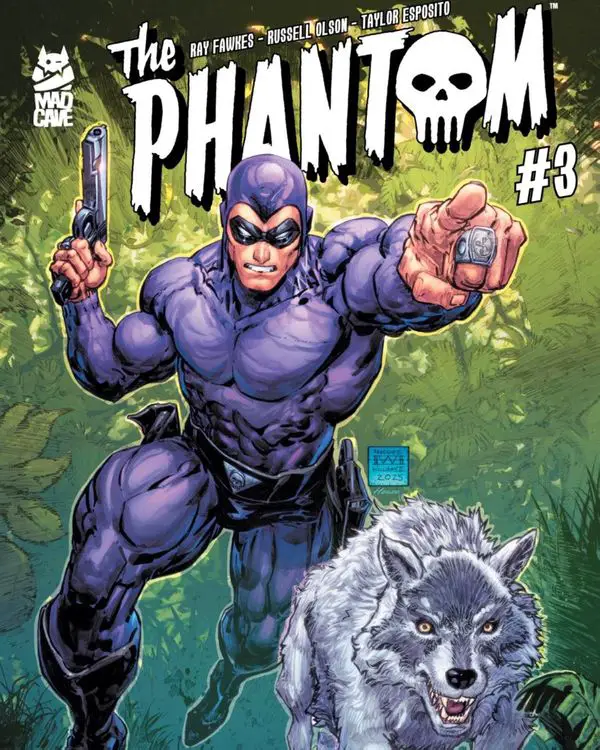
The Phantom #3, by Mad Cave Studios on 12/3/25, puts Kit Walker in a desperate race against time as his legend becomes both weapon and target. The medicine is hidden, the children are hostages, and the power is cut, which means this ghost who walks just became the prey.
Credits:
- Writer: Ray Fawkes
- Artist: Russell Olson
- Colorist: Russell Olson
- Letterer: Taylor Esposito
- Cover Artist: Freddie Williams II (cover A)
- Publisher: Mad Cave Studios
- Release Date: December 3, 2025
- Comic Rating: Teen
- Cover Price: $4.99
- Page Count: 34
- Format: Single Issue
Covers:
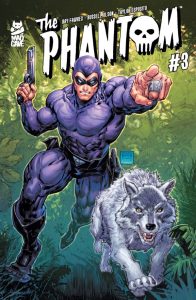
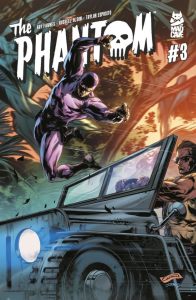
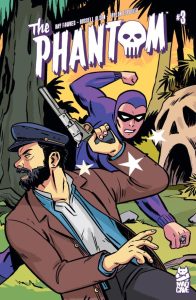
Analysis of THE PHANTOM #3:
First Impressions:
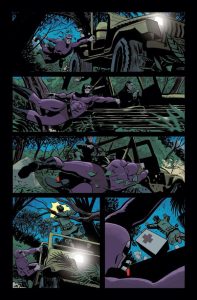
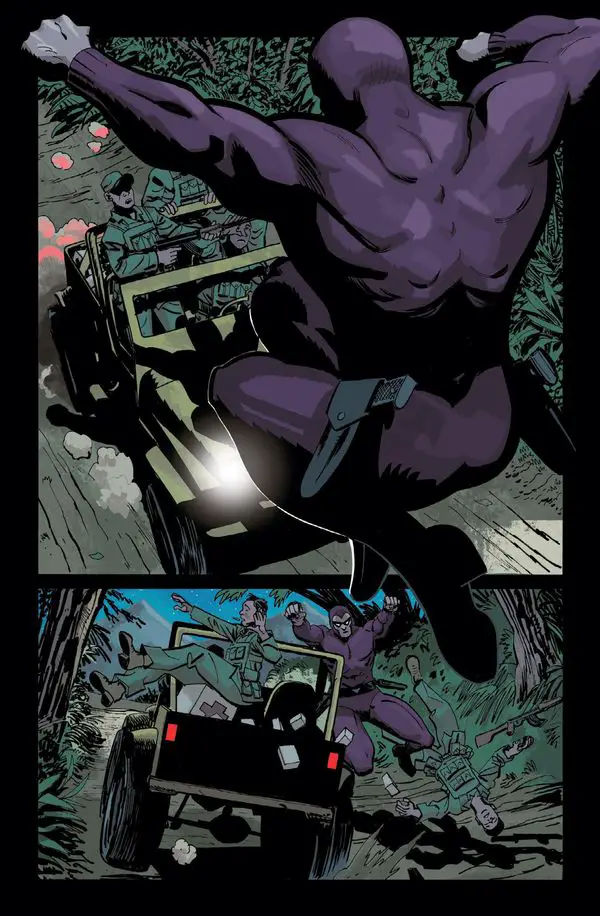
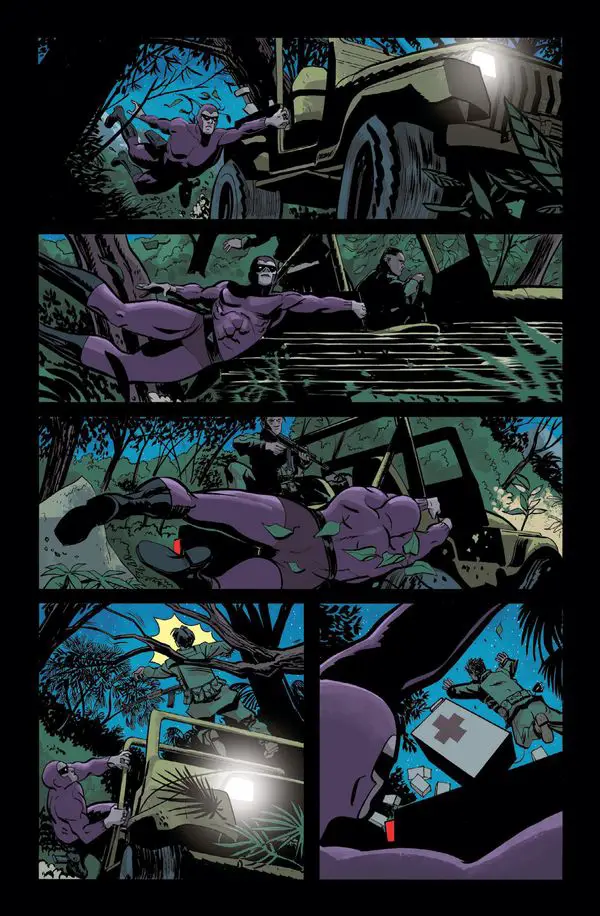
This comic slams the accelerator down and refuses to ease off the pedal. The opening sequence is pure kinetic energy, a full-throttle chase with Kit clinging to a speeding jeep while his internal monologue anchors us to the emotional stakes. It’s chaos with purpose, and it grabs your attention immediately. As the plot unfolds, the phantom comic book review proves to be an essential companion, guiding readers through the intricacies of the storyline. Each panel invites deeper scrutiny, revealing layers of humor and drama that resonate long after you turn the page. With sharp dialogue and vivid illustrations, it ensures the ride remains exhilarating until the very last moment. the phantom comic series details are meticulously crafted, enhancing the narrative and character arcs in unexpected ways. Readers will find themselves discovering hidden references and Easter eggs that enrich the experience, encouraging multiple readings. Ultimately, this series stands out as a bold addition to the comic landscape, leaving a lasting impression on its audience.
Recap:
The previous issue left the Bandar village under siege by Asif Singh and his Singh Brotherhood, who mistakenly believed the villagers were hiding a shipment of heroin. Kit Walker worked in the shadows, dismantling patrols one by one while Guran negotiated for the village’s survival and medicine for the chief. The issue ended with Guran evoking the legend of the Phantom, warning Singh that the jungle itself might be conspiring against him and that something ancient and dangerous was stirring in Bangalla.
Plot Analysis:
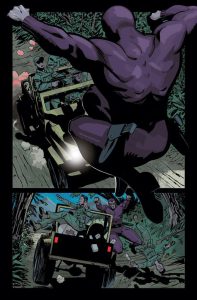
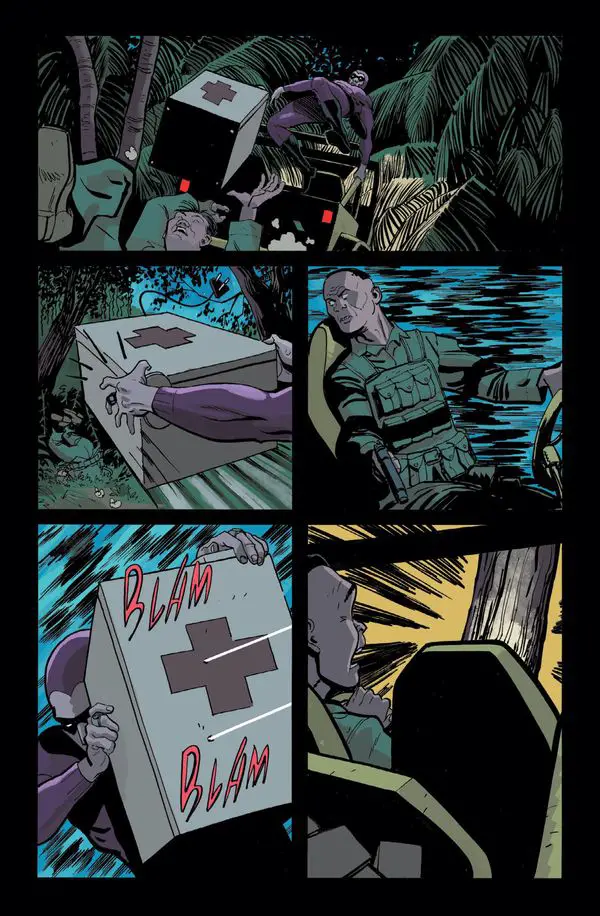
The issue opens with Kit wrestling control of a speeding jeep on a jungle path. A gun-wielding Singh soldier is forcing the vehicle recklessly through the trees, and Kit must fight to keep them both alive while subduing the driver without causing a fatal crash. After a brutal struggle where Kit is forced to incapacitate the man, he finds the driver’s arm is broken, and the soldier realizes he’s facing the actual Phantom, not some urban legend. Meanwhile, back in the village, Singh dismisses Guran’s invocation of the Phantom as desperate folklore and ends the negotiation, vowing to proceed with his own agenda.
Kit infiltrates the village under cover of darkness and makes contact with Zuri, a villager, hiding the last vials of medicine in her refrigerator. The situation deteriorates rapidly as Singh’s patience crumbles and his forces begin implementing contingency plans to flush out the Phantom. Singh orders the power cut to the entire village, a calculated move to use night vision equipment against Kit while simultaneously rendering the refrigerated medicine useless. Singh also commands his troops to round up the children and separate them from their families, using them as leverage against the villagers and threatening forced recruitment into his organization. In a chilling final act, Singh orders random civilians to be barricaded inside their homes and set on fire, designed to break the villagers’ spirits and force Kit to reveal himself.
Kit, observing from the trees, realizes he’s on an impossible clock: the cut power means the medicine will spoil within hours if not refrigerated, and Singh has positioned snipers with cross-sights to catch him in a deadly crossfire. Singh personally confronts Kit from a distance, demanding to know if the Phantom is truly who the legends claim. Two Brotherhood soldiers are dispatched to a specific location, snipers are locked and loaded, and Singh believes he has set a trap that will finally end the ghost who walks. The issue concludes with Singh’s checkmate moment approaching as the sun prepares to rise and the final confrontation brews.
Story
Ray Fawkes structures this issue with precision, using Kit’s internal monologue to justify every action and build relentless pressure. The pacing is legitimately impressive. The opening jeep sequence moves with physical momentum, the middle act shifts to mounting tension and tactical planning, and the final act escalates toward a confrontation that feels inevitable. Dialogue is economical and purposeful. Guran’s negotiation with Singh crackles with subtext, and when Singh speaks, his words carry genuine menace without descending into cartoon villainy.
Kit’s internal voice is sardonic and focused, revealing his thought process and emotional connection to Diana back at the Skull Cave. The structure of the issue is strong, moving from action to negotiation to infiltration to desperation without losing coherence. However, there’s a minor pacing hiccup midway through where Kit’s tactical observations run slightly long, threatening to bog down the momentum just a touch before the final act kicks in.
Art
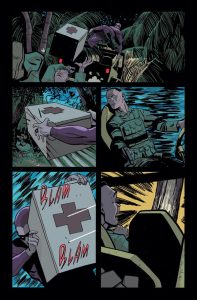
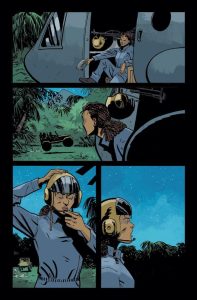
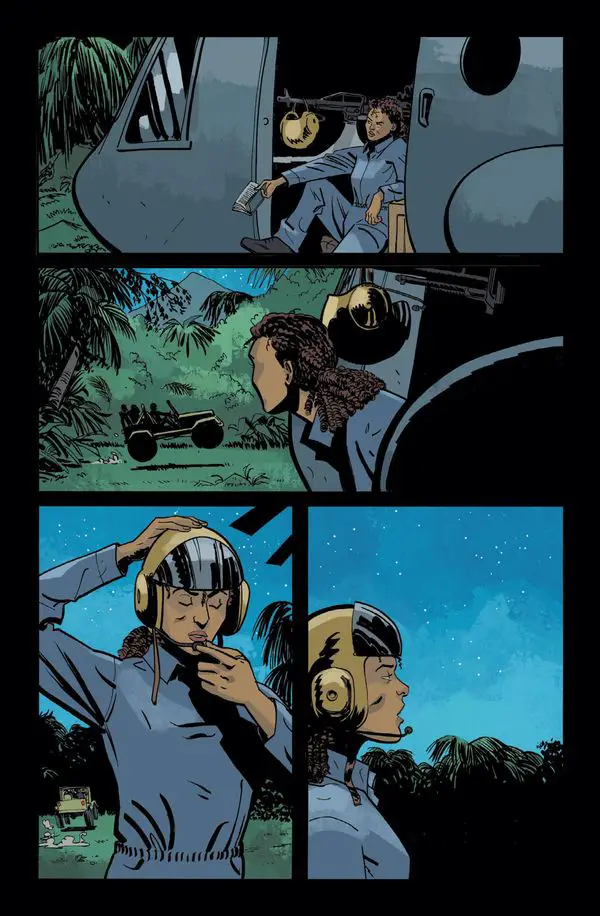
Russell Olson delivers consistent, competent artwork that serves the story without flashiness. Facial expressions are solid, particularly in moments of tension and fear, and Olson has a good grasp of spatial relationships in the jungle environment. The panel layouts use negative space effectively to emphasize isolation and danger. The color palette leans into muted jungle greens and shadows, establishing a nighttime atmosphere that feels appropriately claustrophobic and dangerous. However, the art occasionally sacrifices specificity for atmosphere.
During the chaos of the jeep sequence, backgrounds blur into impressionistic smears that effectively convey motion but sometimes make it difficult to parse exactly what’s happening spatially. The snipers positioned in trees can be hard to locate visually, which undermines the careful tactical planning Kit is supposedly executing. The final full-page spread of Singh’s contingency deployment is clearer and more visually compelling, but earlier panels could benefit from slightly more visual clarity without losing mood.
Characters
Kit Walker remains consistent in his character arc. He’s burdened by duty to the village, trapped between his legendary status and his very human desire to return to Diana. His constant internal monologue about missing her grounds him as someone with real stakes and genuine feelings, not just an action figure. The moment where he thinks about the first aid kit and pilau waiting for him at home is a small touch that humanizes him effectively. Guran proves himself intelligent and adaptable, but beyond his wit, we don’t learn much new about his character here.
Singh is presented as calculating and cruel, but he’s mostly a force of escalating antagonism rather than a complex character. He has motivations (recovering lost merchandise), but no internal conflict or depth that makes him particularly interesting. The villagers exist largely as stakes rather than characters, which is narratively functional but limits emotional investment. The Singh soldiers vary in their competence and psychology, which adds texture, but they’re ultimately cannon fodder for Kit to disable.
Originality & Concept Execution
This issue doesn’t reinvent the wheel. The Phantom confronting a superior force through cunning and legend is exactly what readers signed up for, and Fawkes executes it competently. The specific execution of using night vision against the Phantom is clever, as is the power-cut trap that threatens the medicine. These are solid tactical puzzles that feel earned within the story’s logic.
However, the broader narrative isn’t particularly fresh. The “gangsters hold village hostage, hero must save them” is well-trodden ground in action comics, and while Fawkes adds specific layers like the medicine timer and the children as hostages, the fundamental story beats feel somewhat familiar. The issue does succeed at what it’s trying to do: escalate tension, raise the stakes, and position Kit for a final confrontation. But it’s competent execution of a familiar formula rather than a bold reimagining of the character or the premise.
Positives
The relentless pacing is genuinely the comic’s greatest strength. From the opening jeep chaos to the final cliffhanger, the issue maintains forward momentum without feeling rushed. The writing balances Kit’s internal monologue with external action beautifully, using his thoughts to justify tactics while keeping readers invested in his emotional journey. The escalation is smart, too. Singh’s decision to cut the power and round up children shows he’s not a mindless brute but a tactical opponent adapting to Kit’s interference. Guran’s negotiation scene is sharp and believable, with real tension in the dialogue. The art maintains consistent mood and mood-appropriate character work. The final reveal that Singh has prepared snipers with cross-sights lands with genuine impact, suggesting Kit’s confidence might finally meet its match. The issue knows exactly what it wants to accomplish and accomplishes it.
Negatives
The comic struggles with visual clarity during kinetic sequences. The jeep chase is thrilling, but readers may need to re-examine panels to understand exactly who’s where and what’s happening physically. This is particularly problematic when Kit’s tactical brilliance hinges on precise understanding of enemy positions. The snipers that become crucial to the final setup are difficult to spot visually, which undermines the careful planning at the heart of the climax. Character depth is disappointingly thin. Singh remains a one-note antagonist, cruel and competent but utterly without interiority. The villagers are furniture. Even Guran, who showed promise last issue, is sidelined here, and we learn nothing new about his character or his relationship with Kit.
Kit’s repeated internal monologues about Diana, while emotionally effective, also feel repetitive by the issue’s midpoint. The premise itself, while executed well, is narratively familiar, offering no conceptual surprise that separates this from dozens of other hero-versus-mercenary stories. The cliffhanger, while effective, also feels somewhat predictable; readers who’ve consumed action comics before will likely anticipate Singh’s contingency plans.
Art Samples:
The Scorecard:
Writing Quality (Clarity & Pacing): 2.5/4
Art Quality (Execution & Synergy): 3/4
Value (Originality & Entertainment): 1.5/2
Final Thoughts:
(Click this link 👇 to order this comic)
THE PHANTOM #3 is solidly competent entertainment that knows its genre well enough to deliver on basic expectations. The pacing is tight, the stakes are real, and Kit Walker earns his legend through clever thinking rather than superhuman invulnerability. However, the issue doesn’t transcend its familiar framework. Singh remains a two-dimensional threat, the villagers are hostages rather than characters, and the overall narrative formula feels well-worn by the standards of modern action comics. If you’re already invested in Kit’s journey and want to see how he escapes Singh’s trap, this issue delivers that and earns its place in the ongoing story. But if you’re looking for a comic that surprises you or offers something fresh within the action-adventure space, you’ll find this lands squarely in the middle-of-the-pack territory.
We hope you found this article interesting. Come back for more reviews, previews, and opinions on comics, and don’t forget to follow us on social media:
If you’re interested in this creator’s works, remember to let your Local Comic Shop know to find more of their work for you. They would appreciate the call, and so would we.
Click here to find your Local Comic Shop: www.ComicShopLocator.com
As an Amazon Associate, we earn revenue from qualifying purchases to help fund this site. Links to Blu-Rays, DVDs, Books, Movies, and more contained in this article are affiliate links. Please consider purchasing if you find something interesting, and thank you for your support.