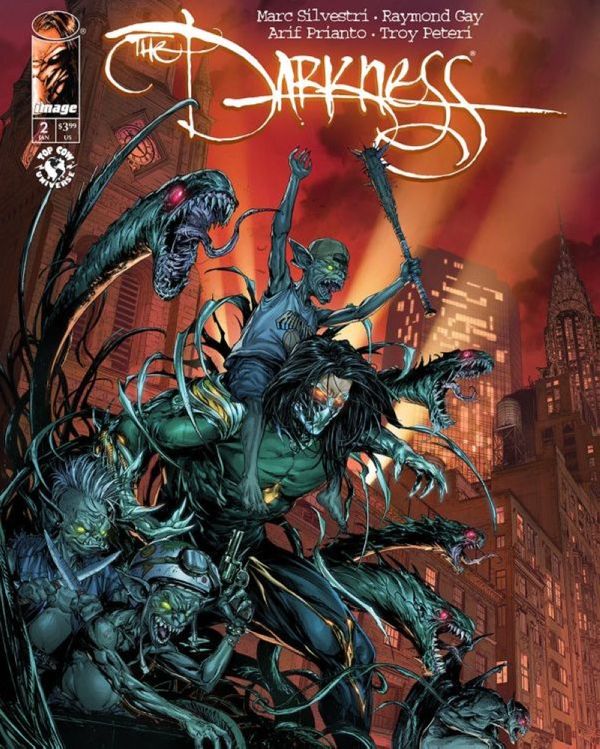
The Darkness #2, by Image Comics on 1/21/26, drops Jackie Estacado into a whirlwind where nostalgic ghosts collide with celestial assassins, and a single sunny afternoon might cost him everything he’s just discovered he could lose.
Credits:
- Writer: Marc Silvestri
- Artist: Raymond Gay
- Colorist: Arif Prianto
- Letterer: Troy Peteri
- Cover Artist: Raymond Gay (cover A)
- Publisher: Image Comics
- Release Date: January 21, 2026
- Comic Rating: Mature
- Cover Price: $3.99
- Page Count: 32
- Format: Single Issue
Covers:
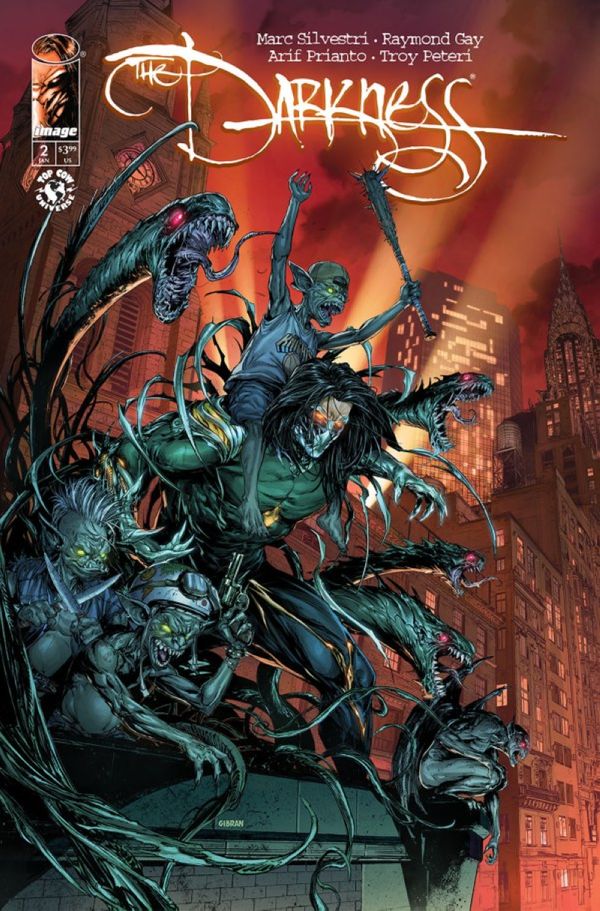
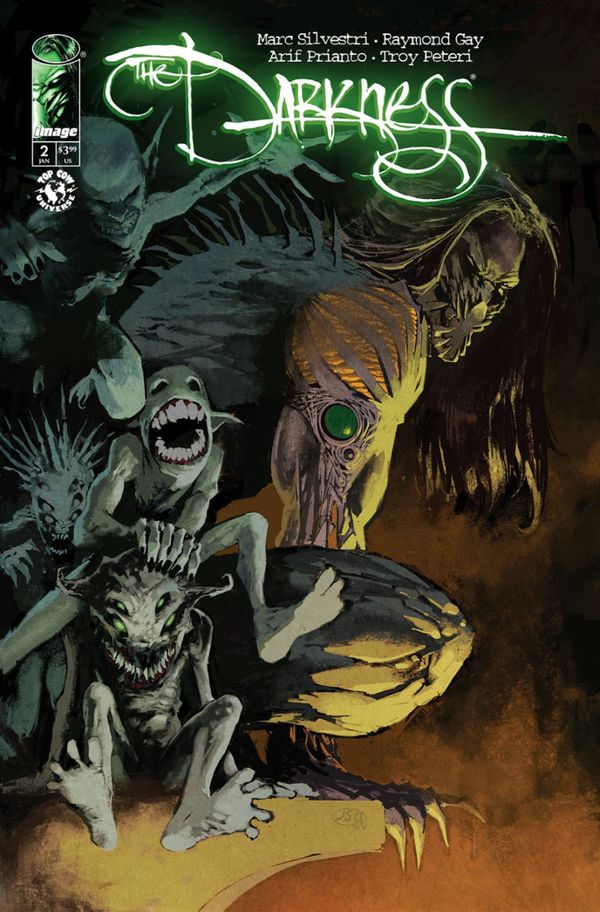
Analysis of THE DARKNESS #2:
First Impressions:
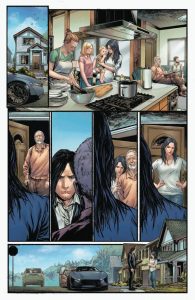
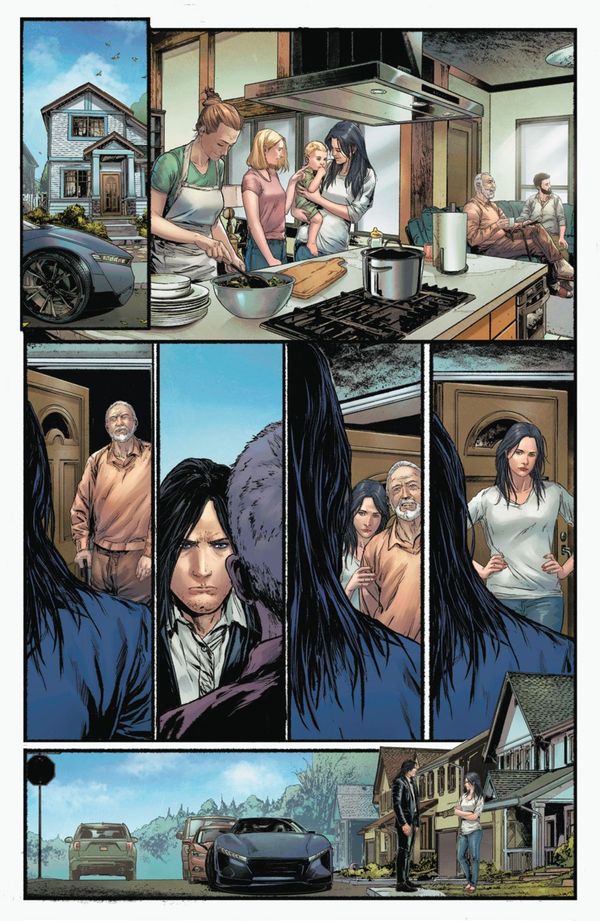
The opening is deliberately disarming; we watch Jenny Peterson’s family dynamic, complete with embarrassing mother moments and a protective father, before yanking us into hard sci-fi action. The tonal shift from domestic warmth to full-blown supernatural chaos works because Silvestri understands that the highest stakes come from the people we care about, not just the powers we wield.
Recap:
In Issue #1, mafia hitman Jackie Estacado inherited The Darkness during a traumatic supernatural awakening triggered by an intimate encounter. The Angelus, a celestial force opposing The Darkness, sent warriors to assassinate him during his vulnerable transformation, but Jackie adapted to his new powers and survived. He discovered through Sonatine (an enigmatic ally) that any sexual contact will be lethal, and learned his uncle Frankie’s crime family was devastated in Russian mob warfare while he was consumed by his rebirth.
Plot Analysis (SPOILERS):
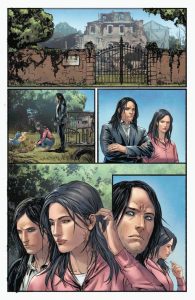
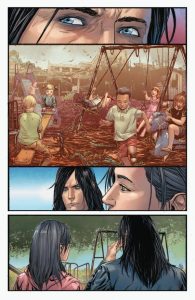
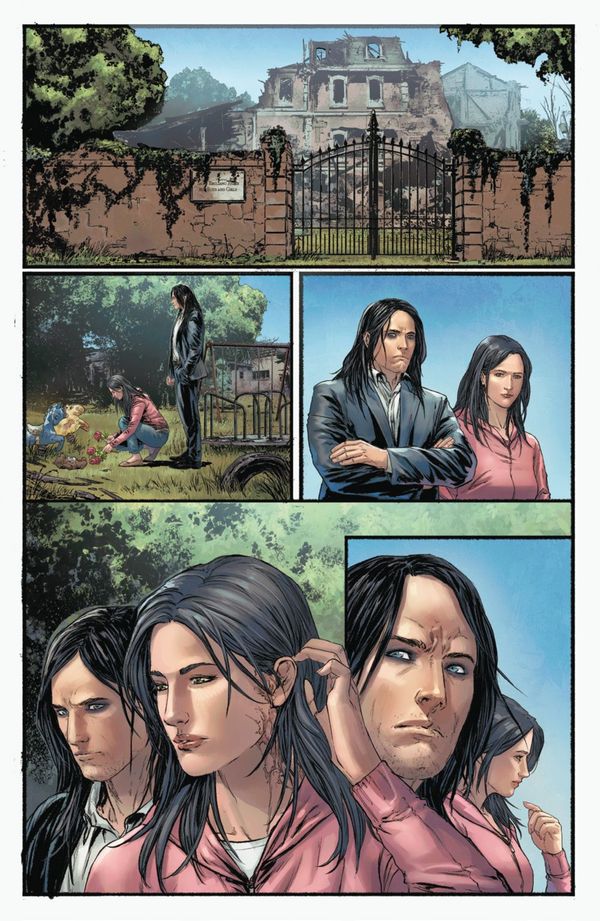
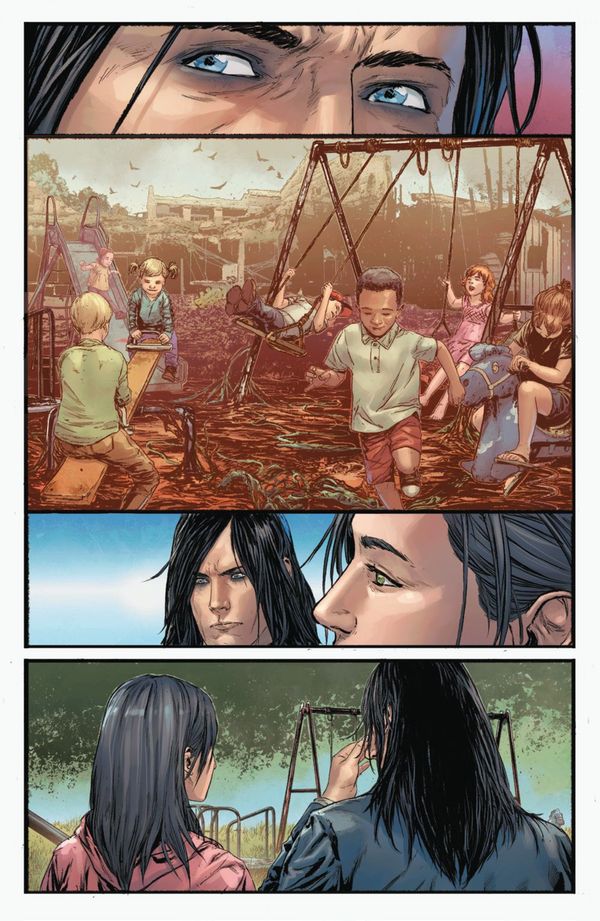
Jackie arrives at Jenny Peterson’s house, his childhood friend from the orphanage, needing to discuss something serious with her. Her father, an ex-cop, clearly doesn’t trust Jackie, but Jenny agrees to talk. Jackie convinces her to return to their old orphanage, a place neither has visited in years, where they reminisce about their shared childhood and draw pictures of superheroes together in the grass. Jenny reveals she survived a fire that killed many children; she was left with severe burns, and the Petersons adopted and raised her after her hospital recovery. As they walk through the orphanage grounds, Jackie hears mysterious voices warning him to “beware the light” and to “find shadows,” prompting them to leave quickly.
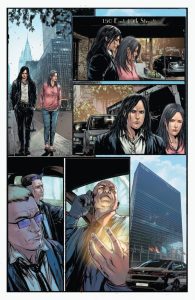
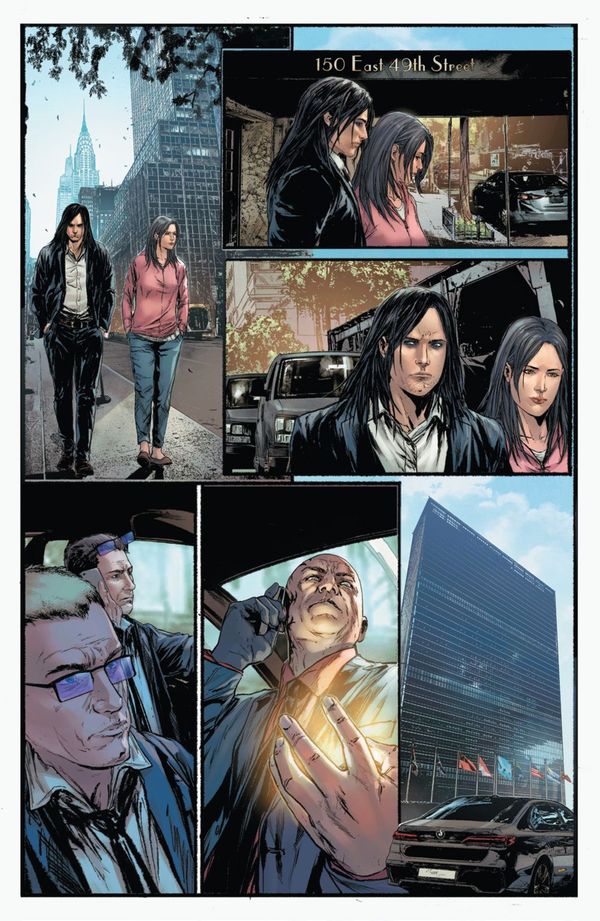
Walking through New York City streets, Jackie tries to explain his situation to Jenny, but the conversation is interrupted when they witness armed Angelus soldiers preparing an ambush. The soldiers have “dark rounds” and UV-enhanced weaponry designed specifically to combat The Darkness. Jackie and Jenny barely escape into the subway system, where chaos erupts as Angelus warriors attack with lethal force. Jackie discovers he can summon his demons in the darkness, and they violently dispatch the heavenly soldiers. During the subway carnage, one of the Angelus capture Jenny, prompting Jackie to call his mysterious mentor Sonatine, who promises a safe location where the Angelus cannot reach her.
In a parallel scene, the Angelus Queen addresses General Krakus about their failed assassination attempt. They discuss how Jackie adapts quickly to his powers and how the light renders their warriors invisible to humans, preventing collateral discovery. The Queen decides to send Jackie a message through someone he cares about, targeting Jenny Peterson specifically as leverage to draw him out. She views this as an opportunity to test whether Jackie is stronger or weaker than expected.
Story
Silvestri’s script moves at a brisk clip, using the orphanage sequence to establish emotional stakes before ramping into spectacle. The dialogue between Jackie and Jenny carries genuine weight; their exchanges about childhood, sacrifice, and the cost of survival feel grounded despite the supernatural elements. The pacing stumbles slightly in the middle stretch where exposition about the Angelus’ military operation extends longer than necessary, but the payoff lands hard. The structure smartly intercuts Jackie’s protection efforts with the Angelus’ cold calculation, building tension through parallel threats rather than relying solely on action beats.
Art
Raymond Gay delivers clean linework that excels during intimate character moments. The orphanage scenes have a haunting softness that contrasts sharply with the visceral violence erupting in the subway. Arif Prianto’s colors use light and shadow with thematic precision; bright daylight becomes menacing when framed through Jackie’s perspective as a threat, while the subway tunnels become his refuge through darkening palettes. The composition during the action sequences is occasionally crowded, making it difficult to track which soldiers are winning or losing, though this chaos mirrors Jackie’s disorientation. The art successfully conveys that light is Jackie’s enemy, a conceptual strength that elevates simple visual choices into narrative meaning.
Characters
Jackie demonstrates believable growth from issue one. He’s actively protecting someone rather than passively surviving, revealing his capacity for connection despite his curse. His dialogue about not saving anything, only destroying things, creates a poignant contrast with Jenny’s sentimentality, showing that his trauma has calcified him differently than her trauma has her. Jenny emerges as more than a damsel, with her own agency and emotional history, though her screen time in danger reduces her to a plot device by the final act. The Angelus Queen maintains a clinical, aristocratic coldness that makes her threat feel intelligent rather than melodramatic. The motivations are clear: Jackie wants to protect Jenny; the Angelus wants to send a message and exploit his attachment.
Originality & Concept Execution
The core concept continues to deliver. Silvestri escalates the supernatural conflict by introducing an organized celestial military apparatus rather than relying on random angelic attacks. The idea that light literally renders divine warriors invisible to humans is conceptually clever, creating a hidden war narrative. However, the issue doesn’t break significant new thematic ground; it deepens existing tension without exploring new philosophical angles about good and evil. The execution is solid but predictable in structure: emotional setup, ambush, escape, antagonist’s plan reveal.
Positives
The orphanage sequence is genuinely moving, using visual storytelling and restraint to convey years of shared trauma and recovery. Silvestri avoids heavy-handed dialogue here, letting Gay’s art carry the emotional weight as Jackie and Jenny sit in grass, remembering when their biggest concern was drawing superheroes. The subway action, while visually crowded, communicates genuine peril through sound effects and the sheer overwhelm of demonic violence. The final scene, where the Angelus Queen explicitly targets Jenny, raises the stakes with precision and clarity, making readers understand exactly what Jackie stands to lose. The comic succeeds in making a superhero action story feel emotionally grounded.
Negatives
The middle section drags when exposition about the Angelus’ military operations takes center stage. General Krakus’s dialogue about “dark rounds” and UV weaponry reads more like tactical briefing than character voice, slowing momentum right when the issue needs to accelerate. The subway action, while visceral, becomes so visually chaotic that the spatial geography collapses; readers struggle to understand where people are standing or how they’re escaping. Jenny’s characterization wavers between agency and passivity, undercutting the emotional investment Silvestri built in the orphanage sequence by reducing her to prey by issue’s end. The warning voices Jackie hears lack explanation, leaving readers unsure whether they’re manifestations of The Darkness itself or external supernatural contact.
Art Samples:
The Scorecard:
Writing Quality (Clarity and Pacing): [3/4]
Art Quality (Execution and Synergy): [3/4]
Value (Originality and Entertainment): [1/2]
Final Thoughts:
(Click this link 👇 to order this comic)
THE DARKNESS #2 earns space on your pull list if you’re committed to following Jackie’s story, but it’s not a must-read issue for new readers. Silvestri proves he understands how to balance intimate character development with world-building complexity, and Gay’s art handles emotional nuance with skill. However, the issue gets bogged down in tactical exposition and action sequences that prioritize spectacle over clarity. It’s the kind of issue that works better as part of a collected run than as a standalone experience, making it a worthwhile purchase for those already invested but a reasonable pass for readers with selective budgets.
We hope you found this article interesting. Come back for more reviews, previews, and opinions on comics, and don’t forget to follow us on social media:
If you’re interested in this creator’s works, remember to let your Local Comic Shop know to find more of their work for you. They would appreciate the call, and so would we.
Click here to find your Local Comic Shop: www.ComicShopLocator.com
As an Amazon Associate, we earn revenue from qualifying purchases to help fund this site. Links to Blu-Rays, DVDs, Books, Movies, and more contained in this article are affiliate links. Please consider purchasing if you find something interesting, and thank you for your support.