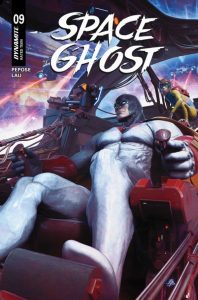
Space Ghost (Vol. 2) #9 (Dynamite Comics, 3/11/26): Writer David Pepose and artist Jonathan Lau throw Space Ghost and his young partners into a psychic nightmare trial that weaponizes grief in a high-concept dream gauntlet. The execution is stylish and emotionally direct, though occasionally compressed, Verdict: Worth reading for action/adventure fans.
Credits:
- Writer: David Pepose
- Artist: Jonathan Lau
- Colorist: Andrew Dalhouse
- Letterer: Taylor Esposito
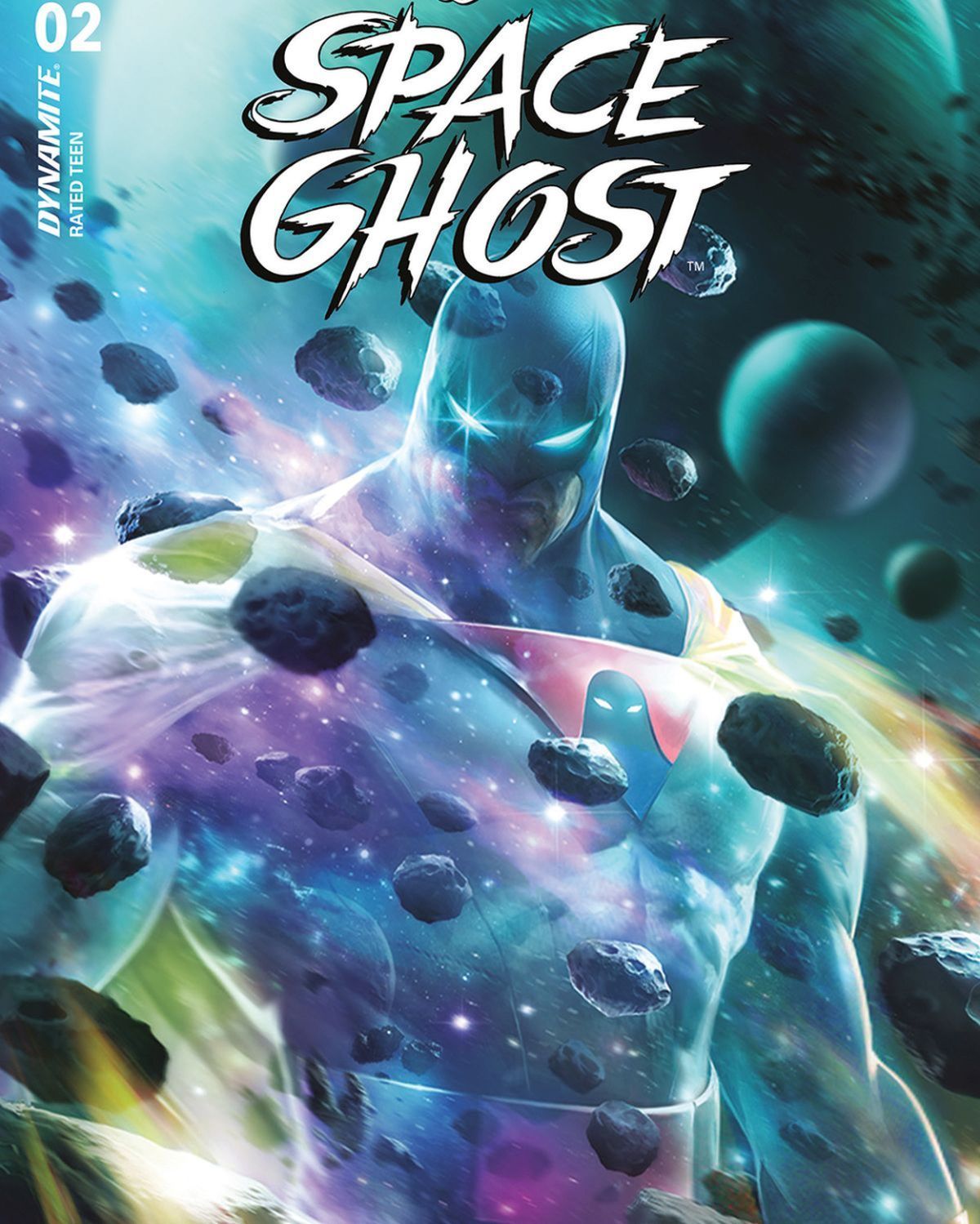
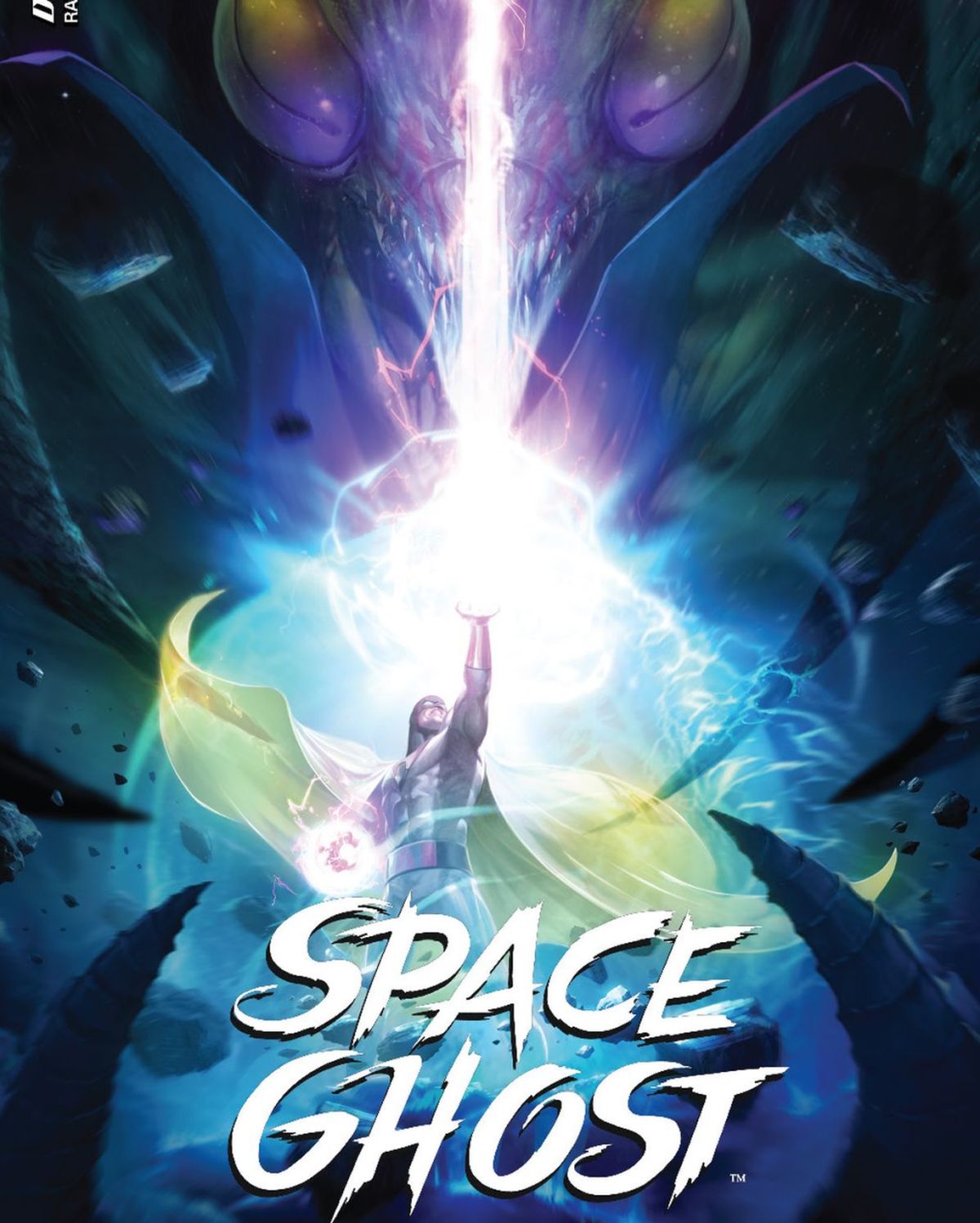
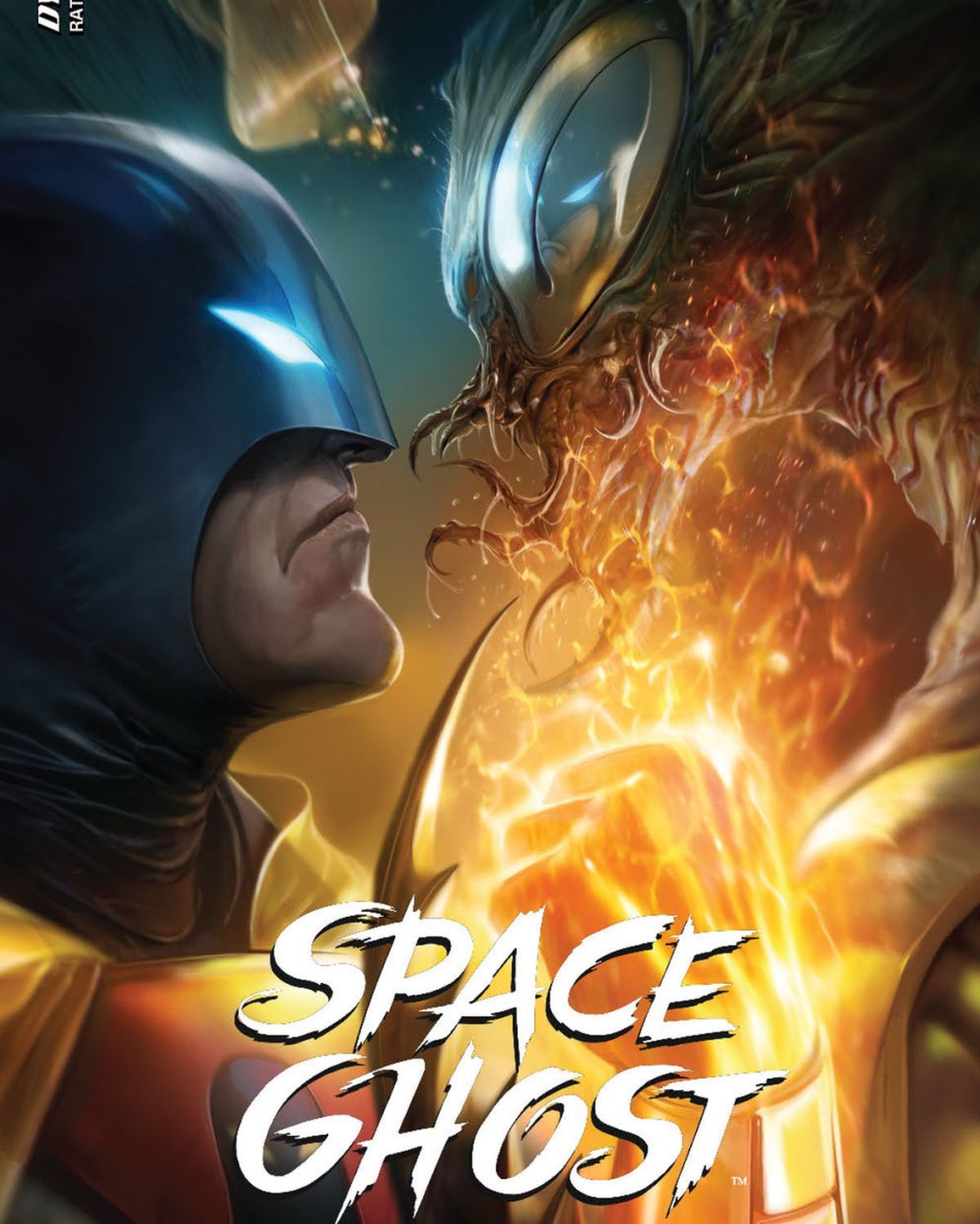
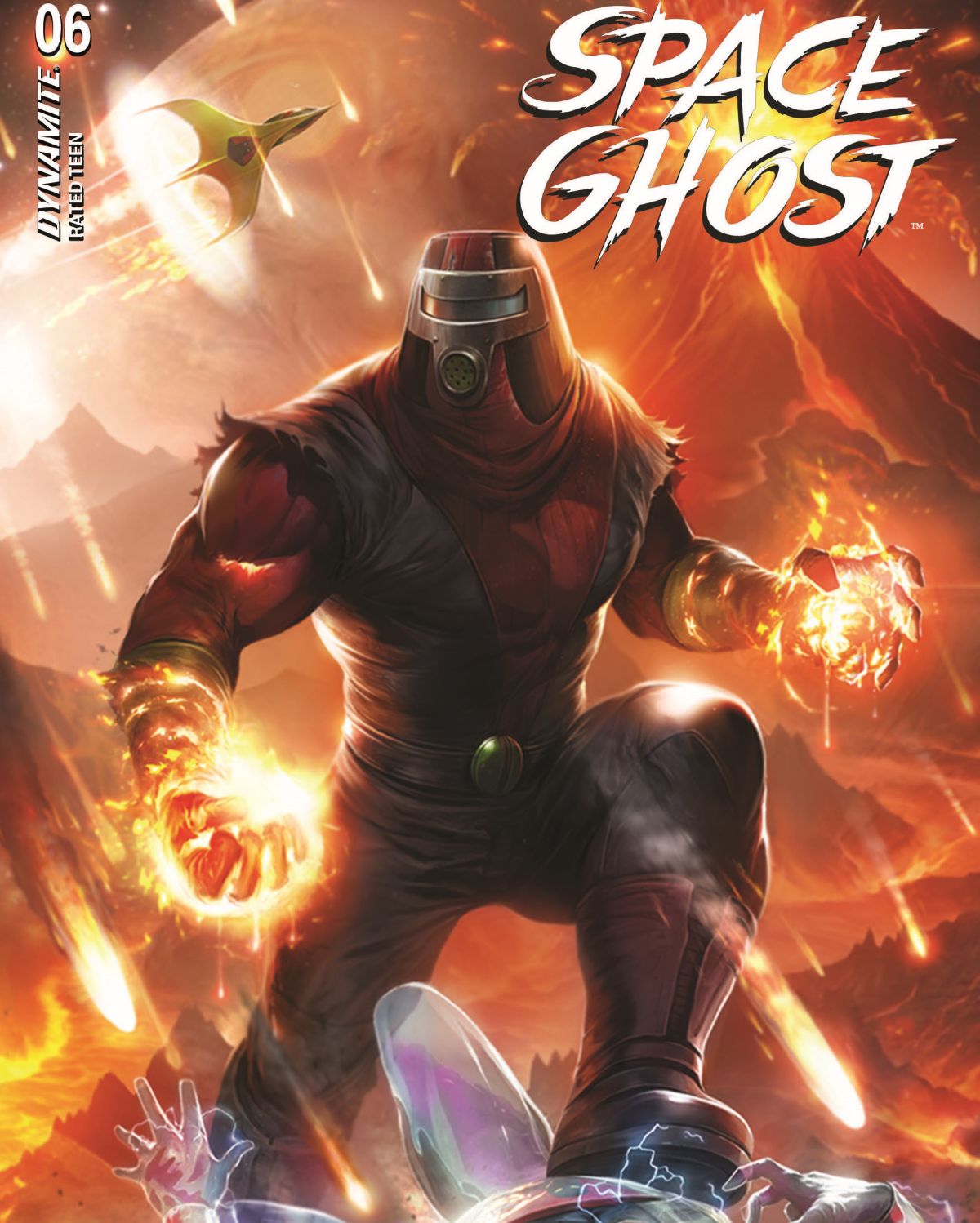
- Cover Artist: Francesco Mattina (cover A)
- Publisher: Dynamite Comics
- Release Date: March 11, 2026
- Comic Rating: Teen
- Cover Price: $3.99
- Page Count: 24
- Format: Single Issue
Covers:




Analysis of Space Ghost (Vol. 2) #9:
First Impressions:
This issue opens like a gut punch, tossing Space Ghost into a street-level takedown by the Galactic Patrol that snaps straight into an arrest for the murder of Doctor Henry Contra, which instantly reframes last issue’s sacrifice as a legal and moral trap. The early pages feel like a feverish law-and-order remix of superhero guilt, briskly staged and emotionally loaded, so the book wastes no time turning Contra’s death into a live wire hanging over everyone’s head.
Once the psychic trap fully reveals itself and the kids slip into their own bespoke nightmares, the issue settles into a sharp, almost anthology-style rhythm that keeps cutting between Jace’s mech-drama fantasy, Jan’s birthday horror, and Space Ghost’s courtroom execution. The emotional center lands hardest with Jan’s story, which stitches a tiny sibling detail into a full-on rejection of false comfort, and that small, specific twist sells the larger theme of choosing memory over illusion with impressive clarity.
Recap:
In the previous issue, Antimatter Man forced Doctor Contra to power himself up with a reactor at Contra Industries while mind-controlling guards and scientists, driving the building into chaos as Jan, Jace, and Blip tried to sneak through the carnage. Space Ghost, still wounded from their earlier clash, worked with Doctor Ward to salvage Cycloped robots and forge antimatter-resistant blue armor so he could survive Contra’s new powers. When the final showdown erupted, Jan was nearly killed until Jace’s plea woke the real Contra inside Antimatter Man; Contra then overrode his monstrous half, pushed the kids to safety, and sacrificed himself by overloading the reactor into a black hole, leaving Space Ghost and the twins alive but grieving and forever marked by his last heroic act.
Plot Analysis (SPOILERS):
The issue opens somewhere on an unnamed world where Space Ghost is hunted through an alley by the Galactic Patrol, pelted with energy fire until a direct hit sends him crashing to the ground. Surrounded and beaten, he is confronted by Detective Sorena Prospero, who coolly announces that he is under arrest for the murder of Doctor Henry Contra, as his suit systems blare that all functions are compromised. On Ghost Planet in the present, alarms scream that psychic radiation is spiking beyond safe levels and that life signs are failing with only minutes to live, while Blip panics and a sneering Prospero promises that unseen enemies want Space Ghost to suffer as her psychic “Eye” locks his mind and the kids into a deadly shared dream.
Inside that dream construct, the comic cuts to a flashy sequence framed like a news broadcast and mecha anime reel for “The Robochanic,” where Jace is reimagined as the sole survivor of Space Colony Omicron, raised by security drones and laser-focused on saving civilians from a rampaging Divido-Cyclops in a busy city. As his drone partners track trajectories and warn of Contra Industries as the monster’s next target, the creature starts duplicating itself, raising the stakes until the action stutters, Jace blacks out, and he wakes up disoriented, realizing none of it feels quite right. Blip appears, jogs his memory of Ghost Planet and the blinding flash that knocked them all out, and Jace recognizes the whole sequence as an elaborate mental construct, just as a brief flashback to the Creature King’s telepathic crown reminds the reader that psychic manipulation is nothing new for this cast. Jace forces the dream rules to bend, pushes back against the scenario, and crashes out of the Robochanic fantasy, escaping his portion of the Eye’s trap.
Meanwhile, Space Ghost faces a full courtroom trial on Omegan Prison where a judge narrates Contra’s virtues as scientist and family man before condemning Space Ghost to death by particle accelerator, which blasts him with brutal energy while Prospero circles like a vulture insisting that justice has finally caught up with him. Before the execution can finish him, Jace and Blip smash through the security detail in a burst of kinetic action, yank Space Ghost free, and explain that this entire carceral nightmare exists only inside their shared minds. Once Space Ghost accepts that they can control the dream, his usual stoic restraint turns into open fury as he remodels the mental battlefield and unleashes a colossal wave of power, tearing through squads of guards with his gauntlets as they fight their way toward the looming Eye that seems to watch everything. With a coordinated leap of faith, they dive straight through the Eye’s surface, determined to find Jan before the psychic feedback kills them all.
On the other side lies a disturbingly cozy scene that looks like a family birthday party, where Jan sits at a table with a smiling, very-much-alive Doctor Henry Contra, who offers cake and grandfatherly charm while Prospero, in voiceover, boasts that she has granted Jan her heart’s desire. Space Ghost and Jace burst into the room and beg Jan to see through it, telling her that Contra died saving them and that this is just a nightmare wearing his face, but the dream-Grandpa casually brushes off their warnings as “drivel” and cranks up the menace with an infernal blast. As he tempts Jan to stay with her “family” forever and blow out her candles to lock in the wish, she hesitates, then calls out a tiny inconsistency, pointing out that the real Grandpa Contra would never forget that she was born one minute older than Jace, which instantly exposes the imposter.
Jan’s realization hardens into full defiance as she calls the being a monster for stealing her grandfather’s face and fires a blistering energy blast that rips through the fake Contra and shatters the illusion, prompting the sorceress behind the Eye to scream as her construct collapses. The systems on Ghost Planet report that psychic radiation is depleting as the trio snaps awake, reeling from the shock; Jan admits she cannot stop seeing her grandfather in her nightmares and struggles with the idea that the man who saved them also abandoned them. Space Ghost offers a rare, vulnerable speech about being haunted by loved ones himself, arguing that they cannot save everyone but can still honor the best parts of those they lose, and he presents the twins with a recovered keepsake from Contra’s mansion as a shared birthday gift, which they both quietly declare to be perfect. On Planet Chronos, a bruised Prospero reports to her shadowy master Tempus that the test succeeded, confirming that this Space Ghost differs from other iterations and may be the key Tempus has been hunting for, and the Time-Master finally vows to step out of the shadows as a looming war begins.
How is the story in Space Ghost (Vol. 2) #9?
The pacing in this issue moves briskly but cleanly, threading three separate nightmare tracks through a single psychic crisis without losing spatial or emotional orientation. Scene transitions are clearly signposted through captions and visual anchors, so readers can follow the jump from alley chase, to Robochanic broadcast, to courtroom, to birthday party without feeling lost, even as the realities keep shifting. Structurally, the script uses the Eye as a spine that ties the dreams together, and that choice pays off in a satisfyingly linear build, from individual tests of will to a family confrontation that hits all three heroes at once. There are occasional signs of compression, particularly in the Robochanic segment, where a full alternate life for Jace is introduced and dismantled in only a handful of pages, which slightly undercuts how disorienting and seductive that fantasy could have been if it breathed more. Still, the overall structure lands because each set piece serves a thematic function, and the escalation from guilt, to power fantasy, to grief gives the issue a clear emotional arc.
Dialogue throughout feels snappy and purposeful, with character voices ringing distinct while still leaning into heightened genre theatrics. Prospero in particular gets delightfully grandiose lines that mix science and sorcery jargon just enough to sound dangerous without devolving into incoherent word salad. Jace and Jan sound like teenagers under pressure rather than quip machines, and Jan’s “one minute older” correction is a perfectly chosen detail that sells their bond while also puncturing the illusion in a way that feels earned instead of convenient. Space Ghost’s lines walk a careful line between stoic pulp hero and surrogate parent, and when he opens up about being haunted by people he loved, the speech lands as sincere without slipping into mawkishness, helped by tight phrasing and restraint. Thematically, the script keeps circling memory, responsibility, and chosen reality, and even when it dips into villain monologue territory, those speeches are anchored in the concrete stakes of whether these kids live, die, or grow from their trauma.
How is the art in Space Ghost (Vol. 2) #9?
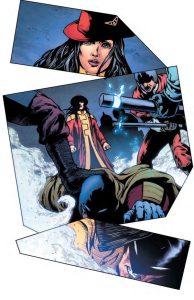
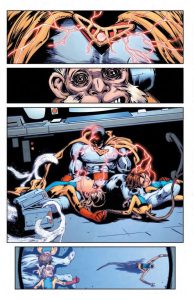
Jonathan Lau’s linework and layouts carry the shifting realities with impressive clarity, using composition and panel shape to signal which “world” we are in at any given moment. The opening alley chase uses tight, angled panels and aggressive motion lines to sell the impact of the Galactic Patrol’s assault, then the Robochanic sequence flips into wide, tech-laden shots with big mecha silhouettes that instantly feel like a different show running inside Jace’s head. The courtroom pages favor centered, symmetrical compositions and long vertical panels that make Space Ghost look small under massive institutional weight, complementing the script’s focus on guilt and judgment. When we enter Jan’s birthday dream, the layouts relax into more open, almost storybook-style panels, which makes the horror beats hit harder once Contra’s pleasant façade twists and the energy effects flare. Action is staged cleanly, with readable lines of motion and clear focal points, so even dense firefights and shattering dreamscapes never blur into noise.
Andrew Dalhouse’s colors sharpen the mood of each segment with deliberate tonal shifts that act like chapter markers inside the issue. The Ghost Planet scenes and the psychic overlays lean into eerie purples and sickly greens that instantly convey danger and unreality, while the Robochanic broadcast pops with bright blues, metallic silvers, and hot explosions that mimic a polished, corporate sci-fi show. The Omegan courtroom is drenched in harsh overhead lighting and cooler tones that make everything feel sterile and punitive, contrasted against the warm, nostalgic palette of Jan’s birthday scene, which slowly darkens as the truth seeps through. Energy effects from the Eye, Space Ghost’s gauntlets, and Jan’s final blast all share a coherent visual language, so the reader can track psychic influence versus heroic agency at a glance. Overall, the color work enhances readability and emotional texture in tandem, turning what could have been a confusing mindscape issue into something visually legible and atmospherically rich.
Characters
This chapter quietly does some heavy lifting for all three leads by turning their worst fears into focused character tests. Jace’s Robochanic fantasy exposes both his survivor’s guilt and his craving for clear directives, painting him as someone who would find comfort in being a living weapon as long as “protect everyone” remains the prime directive, which tracks cleanly with his earlier willingness to throw himself into danger to reach Contra. His ability to snap out of that fantasy once he recognizes the artificial stakes signals a growing confidence in his own judgment instead of relying on external programming, which is a smart beat for a teen hero in a cosmic setting.
Jan, however, gets the emotional centerpiece, and her arc here may be the strongest character work in the run so far. The script does not shy away from the ugly tangle of grief and resentment that comes with Contra’s sacrifice, and Prospero’s trap weaponizes that by offering Jan the fantasy of a loving grandfather who never left. Jan’s refusal hinges on her remembering a tiny personal truth rather than some grand speech, and that choice makes her victory feel both intimate and truthful, because real relationships are built from those exact small facts. Her breakdown after waking, where she admits she cannot stop seeing Contra in her nightmares and questions whether he was ever the “good guy” she imagined, gives the trauma dimension instead of brushing it aside as a solved problem. Space Ghost’s role as the anchor parent figure deepens here, as he acknowledges his own ghosts while still steering the kids toward healthier ways to remember the dead, which reinforces his motivation to protect them as more than just another mission.
Originality & Concept Execution
Mindscape issues and nightmare gauntlets are not new to superhero comics, yet this one distinguishes itself by framing the entire ordeal as a field test orchestrated by a time-manipulating big bad who treats Space Ghost as a multiversal variable instead of just another cape to crush. The use of the Eye as a shared psychic choke point allows the script to stage very different genre riffs inside a single issue, from mecha drama and newsreel satire to courtroom thriller and haunted birthday, and that genre-hopping approach keeps the familiar “face your fears” template lively. The Robochanic concept in particular feels like a fully formed spin-off pitch, complete with directives, drone partners, and kaiju-style threats, which hints at a wider universe of possible futures or alternates without getting bogged down in exposition.
Where the concept feels most original is in how tightly it is tied to this run’s specific emotional baggage. Contra’s death in the prior issue was already a big swing, and using that sacrifice as both the legal charge in Space Ghost’s dream trial and the emotional wedge in Jan’s birthday trap makes the fallout feel continuous rather than episodic. The closing reveal that Tempus has been watching and measuring this iteration of Space Ghost suggests a broader meta-story about variations and destiny, which could easily drift into cliché, yet the script grounds it in the concrete reality of one damaged family trying to move forward. Conceptually, the issue succeeds because it does not treat the nightmares as disposable spectacle; they directly inform how these characters will see themselves and each other in whatever time war comes next.
Pros and Cons
Art Samples:



The Scorecard:
Writing Quality (Clarity & Pacing): 3.3/4
Art Quality (Execution & Synergy): 3.5/4
Value (Originality & Entertainment): 1.5/2
Final Thoughts:
(Click this link 👇 to order this comic)
Space Ghost (Vol. 2) #9 delivers a dense, emotionally pointed dream siege that respects your time by packing every sequence with either character work or payoff from Contra’s sacrifice. The art team keeps the nightmare architecture crisp and legible, so you are never stuck rereading pages just to decode where anyone is, which matters when you are evaluating whether this belongs in a tight weekly stack. If you’ve been following the run, this chapter feels like mandatory reading for Jan and Jace alone, and the Tempus tease suggests the creative team is not done punching above the usual nostalgia‑mini weight class.
Related Posts:

We hope you found this article interesting. Come back for more reviews, previews, and opinions on comics, and don’t forget to follow us on social media:
If you’re interested in this creator’s works, remember to let your Local Comic Shop know to find more of their work for you. They would appreciate the call, and so would we.
Click here to find your Local Comic Shop: www.ComicShopLocator.com
As an Amazon Associate, we earn revenue from qualifying purchases to help fund this site. Links to Blu-Rays, DVDs, Books, Movies, and more contained in this article are affiliate links. Please consider purchasing if you find something interesting, and thank you for your support.