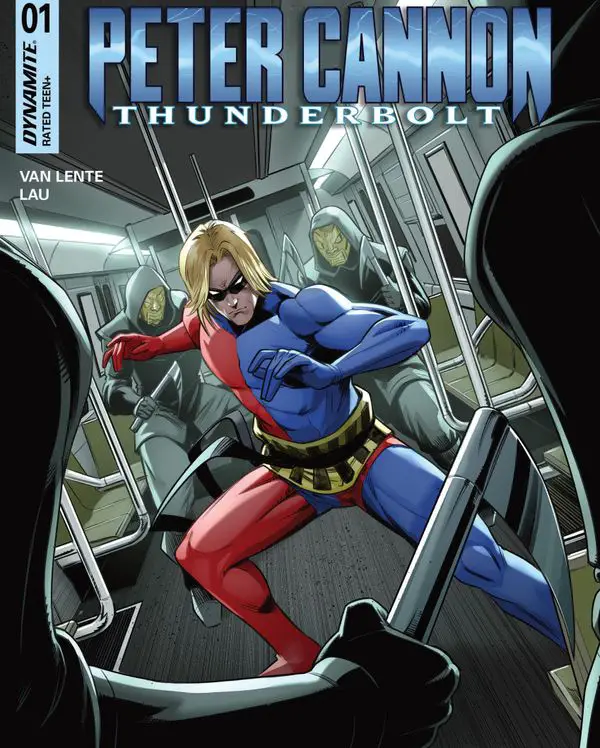
Peter Cannon Thunderbolt #1, by Dynamite Comics on 11/12/25, introduces readers to the world’s most metaphysical martial artist as he emerges from years of training to hunt down the man who killed his family.
Credits:
- Writer: Fred Van Lente
- Artist: Jonathan Lau
- Colorist: Andrew Dalhouse
- Letterer: Jeff Eckleberry
- Cover Artist: Robert Quinn (cover A)
- Publisher: Dynamite Comics
- Release Date: November 12, 2025
- Comic Rating: Teen
- Cover Price: $4.99
- Page Count: 22
- Format: Single Issue
Covers:

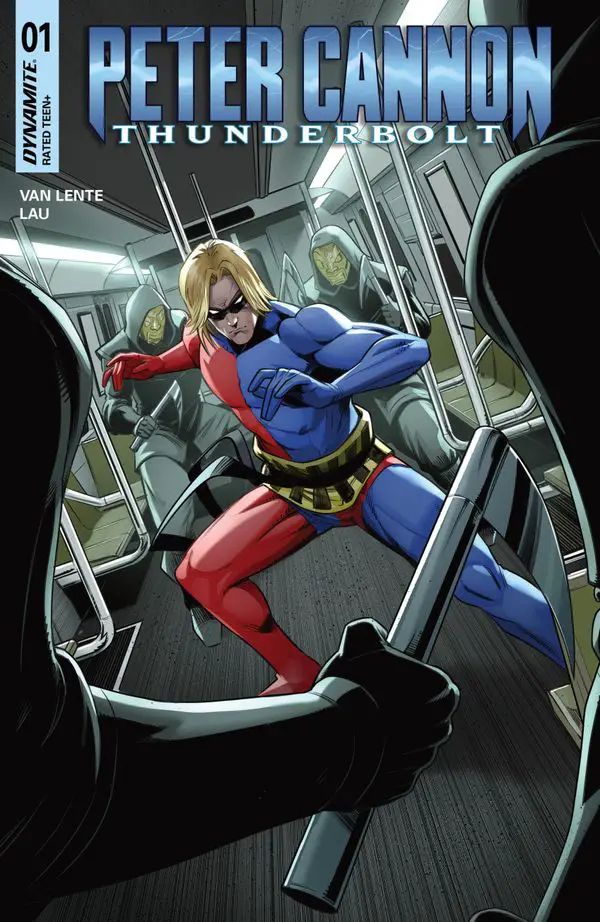
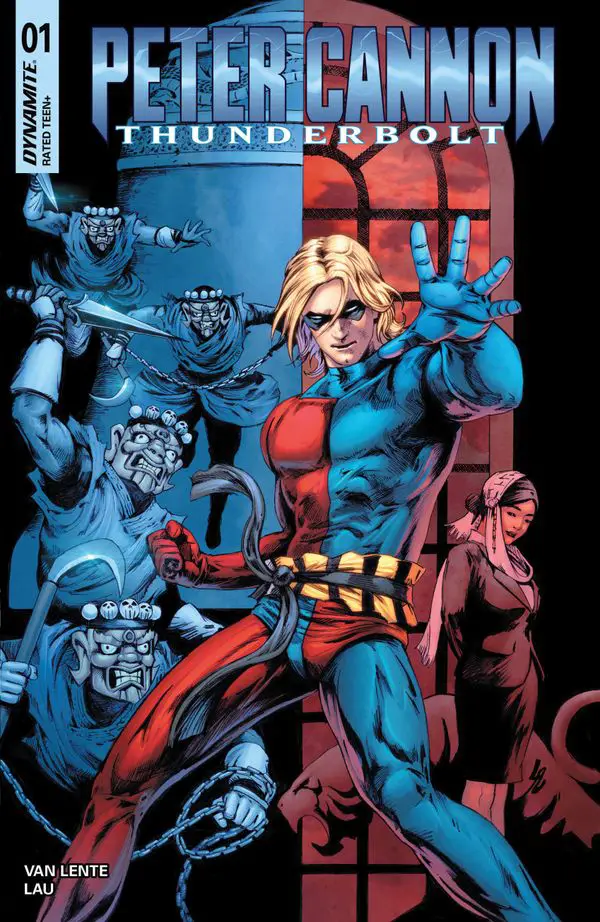

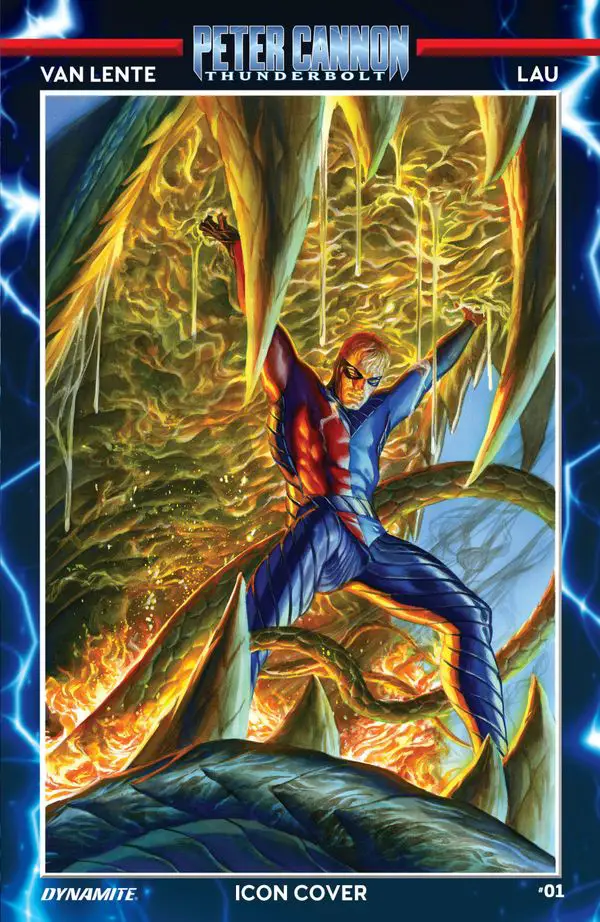
Analysis of PETER CANNON THUNDERBOLT #1:
First Impressions:
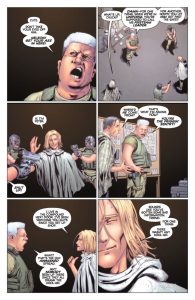
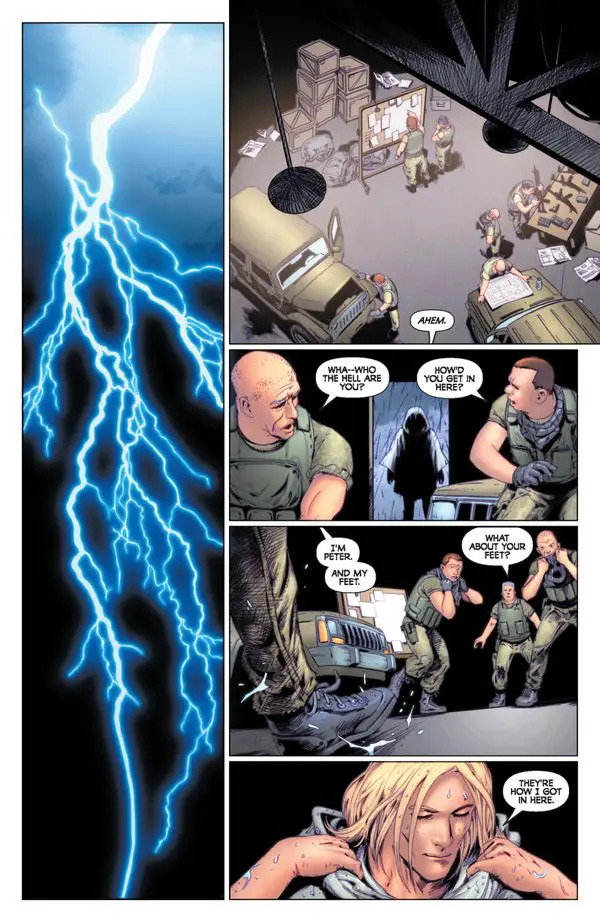
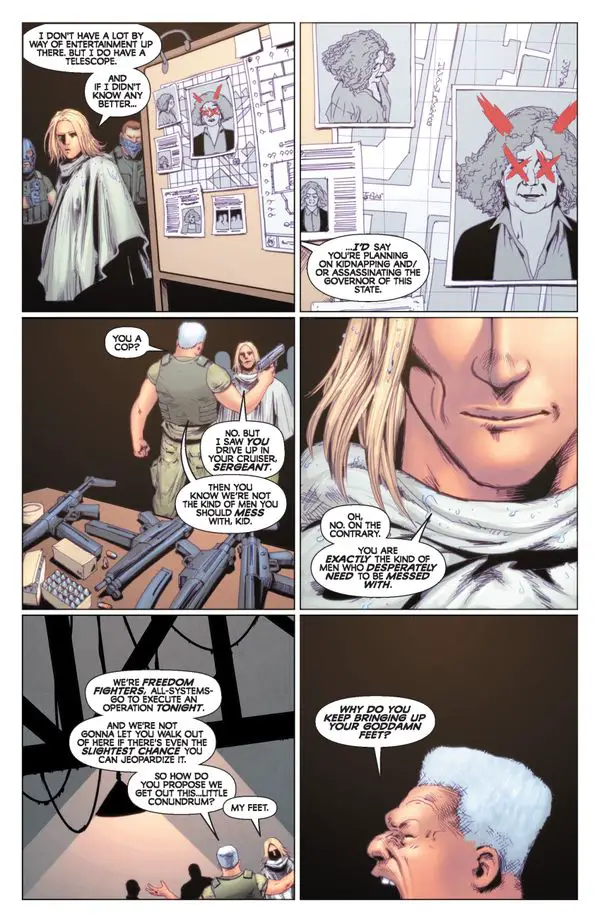
The opening pages immediately toss a lone protagonist, Peter Cannon, into a compound crawling with paramilitary types, and the mood is tense but the execution is charmingly off-kilter. There’s a rush of humor dashed with anxiety as Cannon baffles the gate guards with talk of his superior feet before demonstrating odd skills that break the action wide open. The core concept – former cult kid trying to ascend – lands with enough emotional stakes to stand out, but it’s handled with the subtlety of a bowling ball dropped in a violin shop.
Plot Analysis:
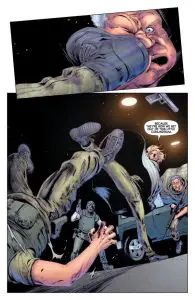
Peter Cannon sneaks into a military-style compound, quickly getting the attention of the local fireteam. After a sardonic exchange about feet and entry methods, Cannon reveals he’s been living in the neighboring cult compound, training in advanced mental and physical techniques inspired by the teachings of Count Abbot. The confrontation escalates; Cannon’s almost mystical abilities let him survive an armed assault, dodge bullets, and save lives against all odds. As he departs on a commandeered motorcycle, the narrative jumps to a news report: the Awakened cult, led by Dante Abbot, has perished in a fiery mass death, which law enforcement calls suicide but Cannon hints is mass murder.
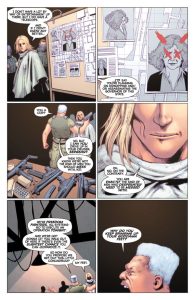
Cannon navigates New York’s social scene, including a visit to the empty Gould mansion – previously a cult base – and a Himalayan art gala thrown by the Mandala Group. Here he reconnects with Tabu, a childhood friend, reveals the backstory of the cult, and asks for help accessing financial assets to buy the mansion, suggesting ambitions both personal and justice-driven. The issue circles around Cannon’s trauma and ongoing quest for closure regarding The Awakened’s fate, introducing supporting cast like Tabu and Yara, and ending with Cannon poised for public recognition at the gala as the head of the Mandala Group.
Throughout, themes of friendship, betrayal, survivor’s guilt, and spiritual reckoning drive the plot, with witty dialogue bouncing off serious ethical questions. The world-building invokes real-world cult tragedies, mixing them with superhuman legend and plenty of sharp contemporary references. The issue ends with a cliffhanger: will Cannon’s rise bring justice, closure, or just more chaos?
Story
The pacing is kinetic – almost frantic – with scenes veering between tense standoffs and quick-fire repartee that keep the tempo lively, though the foot motif risks tripping up actual suspense. Dialogue is snappy, sometimes excessively so, trying to be clever at every turn but occasionally sacrificing clarity for the sake of punchlines. Structurally, the story builds momentum around Cannon’s mysterious background and his investigation, but some abrupt scene changes and exposition dumps blunt the narrative flow, leaving readers sorting through details that could have landed more naturally.
Art
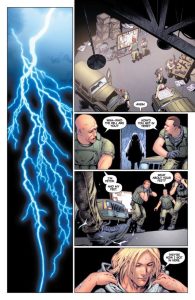
Panel layouts are clear, making even chaotic action readable. No squinting required. Characters are distinct, with expressive faces and dynamic postures that match the script’s wry tone. The palette leans into sober, moody colors with pops of Himalayan gold to accentuate the cult showdown, and the clarity across pages is consistent. The composition balances frenetic fights and atmospheric conversations, though a few pages crowd dialogue balloons to the point of distraction. The artwork pairs well with the theme, delivering functional synergy but not quite pushing creative boundaries.
Characters
Cannon’s motivation – a quest for truth and justice after surviving cult trauma – is credible, driving every choice he makes. Tabu and Yara get enough visible motivation to function as more than background extras, but most secondary characters exist for the protagonist’s benefit. The “ascension” plot lands with Cannon as a consistent if eccentric figure, but rapid-fire plot twists occasionally flatten complexity. Relatability varies: Cannon’s quirks and trauma are engaging, though his superhuman feats create more awe than empathy. Background characters aren’t deeply fleshed out but avoid overt stereotyping.
Originality & Concept Execution
Reimagining an old superhero as a cult survivor is a legitimately fresh hook, and the comic delivers on its premise by fusing New Age tropes, modern tech scams, and Himalayan mysticism into a vivid, punchy package. The execution occasionally stumbles when balancing the brisk humor and underlying tragedy, but narrative risks pay off with memorable set pieces and a protagonist who’s different from the genre’s usual fare. While familiar cult motifs are present, the self-aware tone and focus on trauma set the book apart, even if some ideas trip over their own cleverness.
Positives
The comic excels with its brisk pacing and Cannon’s magnetic oddness; a blend of paranoia and dry humor that makes fatigue hard to imagine. Scene clarity and composition keep pages flowing smoothly, and the main character’s trauma gets worked into every action and interaction, deepening stakes and making the brisk style worth the time. The blend of art and writing creates enough synergy for the book to stand out on a crowded shelf, and the premise manages to feel new despite mining a familiar vein of cult melodrama.
Negatives
Dialogue occasionally tries too hard, sapping emotional punch from key moments and crowding some panels. Sudden scene changes leave readers scrambling to keep up, and supporting characters get minimum development. The narrative glosses crucial plot reveals, leaning on exposition rather than organic storytelling. And while the concept is inventive, occasional lapses into cliché threaten to undermine its freshness. Ambitious, but in danger of spreading itself thin.
Art Samples:


The Scorecard: Measurable Value Assessment
Writing Quality (Clarity & Pacing): 3.5/4
Art Quality (Execution & Synergy): 3.5/4
Value (Originality & Entertainment): 2/2
Final Thoughts:
(Click this link 👇 to order this comic)
PETER CANNON THUNDERBOLT #1 offers plenty of novel twists and an unpredictable protagonist to keep readers hooked, but it sometimes confuses momentum for depth. The sharp wit and crisp composition earn it a spot on a discerning reader’s pull list, provided you’re ready to overlook some narrative shortcuts and excessive cleverness. If your focus is on a comic that delivers a memorable ride with new tricks rather than a flawless journey, this one earns a justified investment.
We hope you found this article interesting. Come back for more reviews, previews, and opinions on comics, and don’t forget to follow us on social media:
If you’re interested in this creator’s works, remember to let your Local Comic Shop know to find more of their work for you. They would appreciate the call, and so would we.
Click here to find your Local Comic Shop: www.ComicShopLocator.com
As an Amazon Associate, we earn revenue from qualifying purchases to help fund this site. Links to Blu-Rays, DVDs, Books, Movies, and more contained in this article are affiliate links. Please consider purchasing if you find something interesting, and thank you for your support.