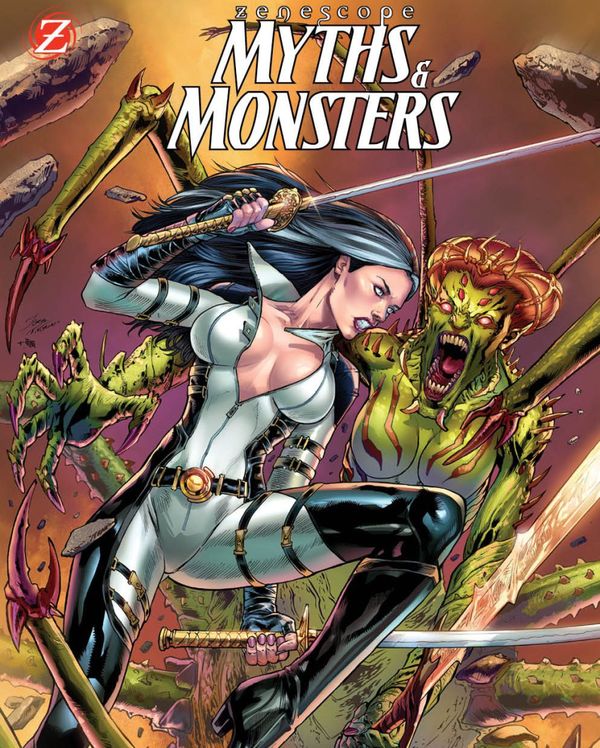
Zenescope Myths & Monsters: Winter Edition 2026 (Zenescope, 4/1/26): Writer Joe Brusha and artist Hakan Aydin deliver Masumi’s yokai hunt, while Allan Otero and Bobby Breed handle the anthology’s opening-act horror and time-warp terror. A sharp, uneven anthology with strong visuals and a clear horror appetite, but the three stories do not land with equal force. Verdict: Worth reading.
Credits:
- Writer: Joe Brusha
- Artist: Hakan Aydin, Allan Otero, Bobby Breed
- Colorist: Juan Manuel Rodriguez, Vinicius Andrade
- Letterer: Taylor Esposito
- Cover Artist: Igor Vitorino (cover A)
- Publisher: Zenescope Entertainment
- Release Date: April 1, 2026
- Comic Rating: Teen
- Cover Price: $6.99
- Page Count: 45
- Format: Anthology
Covers:
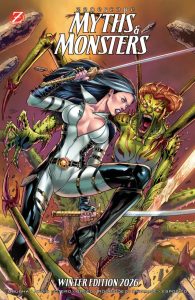
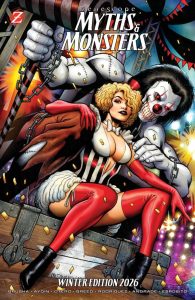
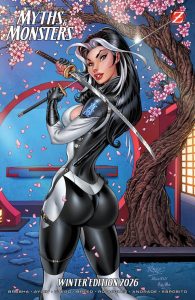
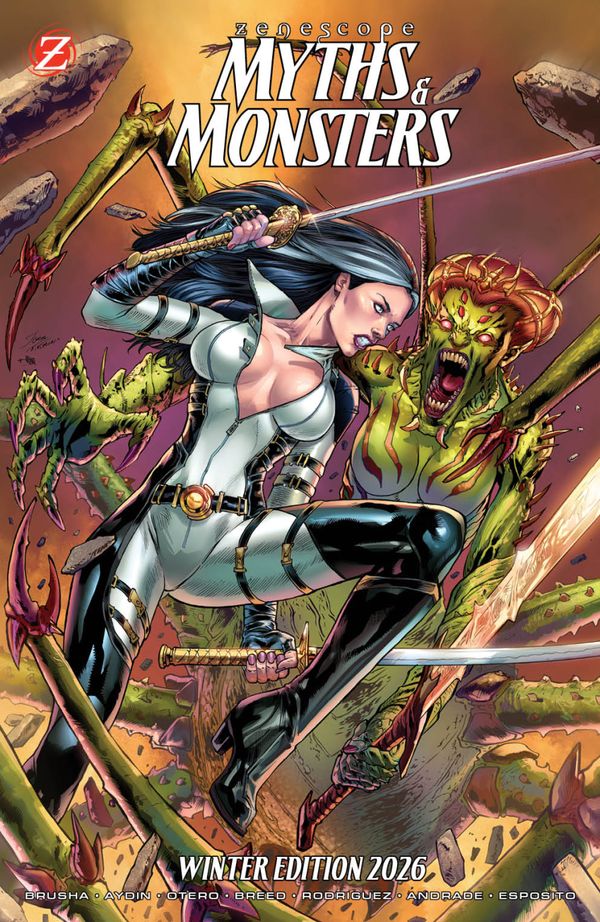
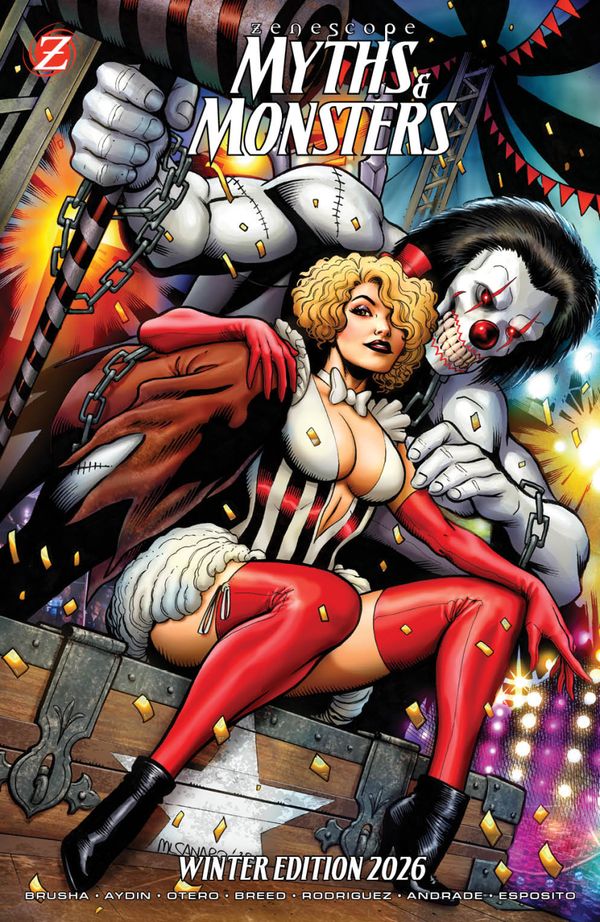
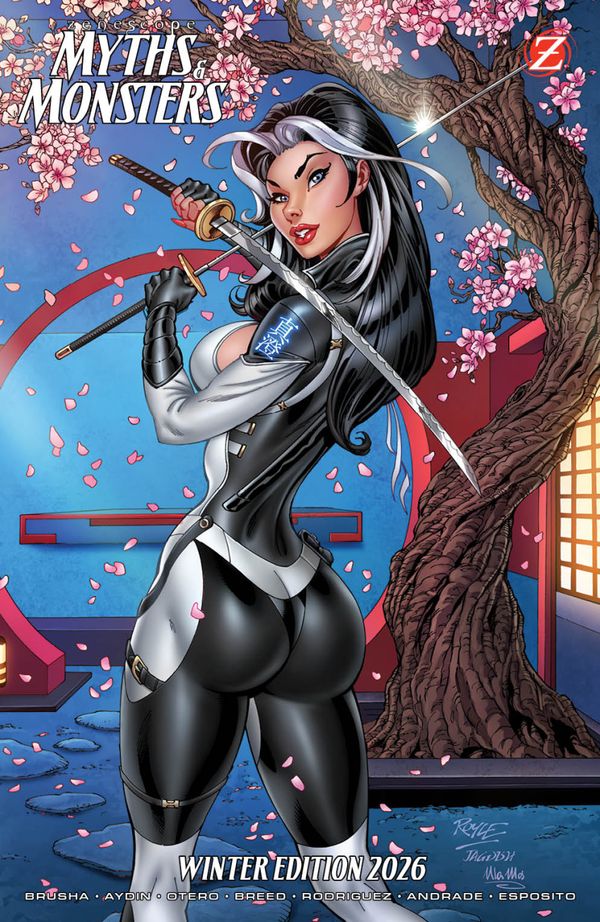
Analysis of Myths & Monsters: Winter 2026 Edition:
First Impressions:
This issue comes out swinging, and the Masumi opener immediately sells the book’s core promise, a haunted warrior, a corrupting curse, and a fight that feels personal instead of decorative. The middle chapters keep the gore and menace moving, but they also expose the anthology’s imbalance, because each story chases a different flavor of monster-horror and only Masumi fully locks in the emotional hook. Still, the art team keeps the pages alive with sharp figure work, grim atmosphere, and panels that know how to sell a strike, a stare, or a creeping dread. You feel the book trying to be a full horror buffet, and for the most part, it serves enough heat to justify the plate.
Plot Analysis (SPOILERS):
Masumi: Threads of Hunger
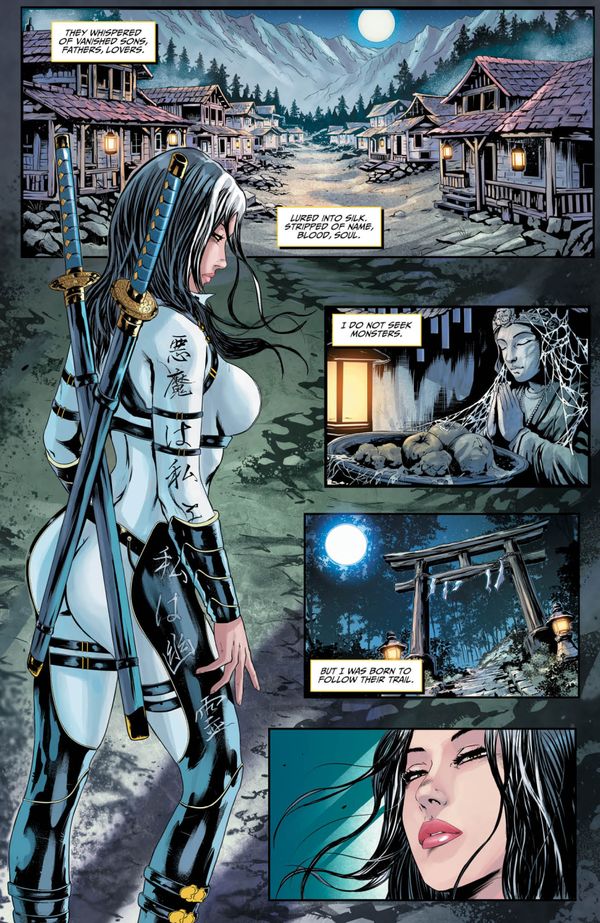
Masumi follows a trail of missing men to a shrine where a graceful host tries to lure her into surrendering to hunger and corruption. The confrontation turns physical fast, with the woman reveals a spider-like monstrous form and presses Masumi to embrace the same appetite that powers the yokai threat. Masumi resists by leaning into discipline, family memory, and the idea that the blade serves the spirit, not the other way around. She wins the fight, but the ending keeps the curse alive and leaves her walking away with the problem still attached to her life.
Jynx & Stitches and Sandman
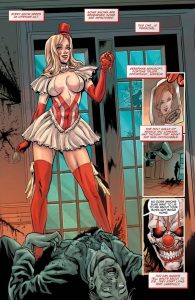
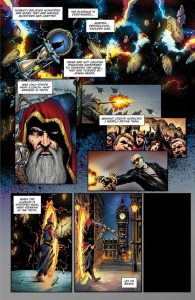
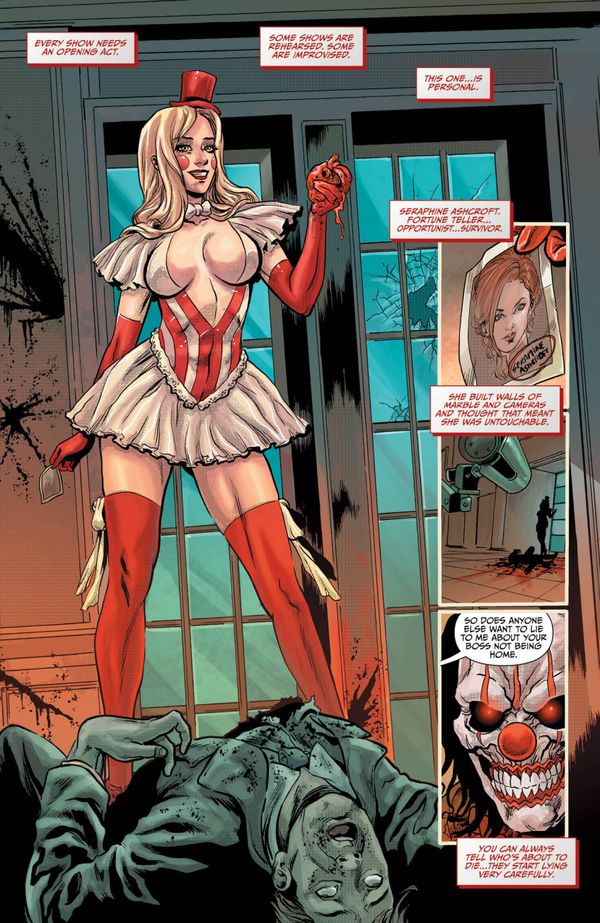
The second story centers on Seraphine Ashcroft orchestrating a violent entrance for Stitches, who tears through armed men while she treats the slaughter like a live performance. The issue then folds into a broader revenge and power play, with Seraphine revealed as a manipulator who expects control and learns she no longer owns the stage. The final segment shifts again, this time into dream-stalking horror, where Spencer Holmes and Henry Lovecraft are targeted by a presence that feeds on fear, memory, and time itself. That story ends with the pair surviving the encounter, but only barely, because the threat is clearly patient and not remotely finished.
How is the story in Myths & Monsters: Winter 2026 Edition?
The pacing is brisk to a fault in places, but it still keeps the anthology moving with enough momentum that no section feels dead on arrival. Brusha writes the horror voice with confidence, though the dialogue sometimes leans too hard on declarative menace, which gives a few exchanges the texture of engraved warning labels instead of living speech. The structure works best when the stories stay tightly focused on a single emotional engine, like Masumi’s discipline versus hunger, and it weakens when the anthology has to pivot from one mode of horror to another without much connective tissue. Even so, the book understands its assignment, which is to move you quickly, keep the claws out, and never let the mood cool off for long.
How is the art in Myths & Monsters: Winter 2026 Edition?
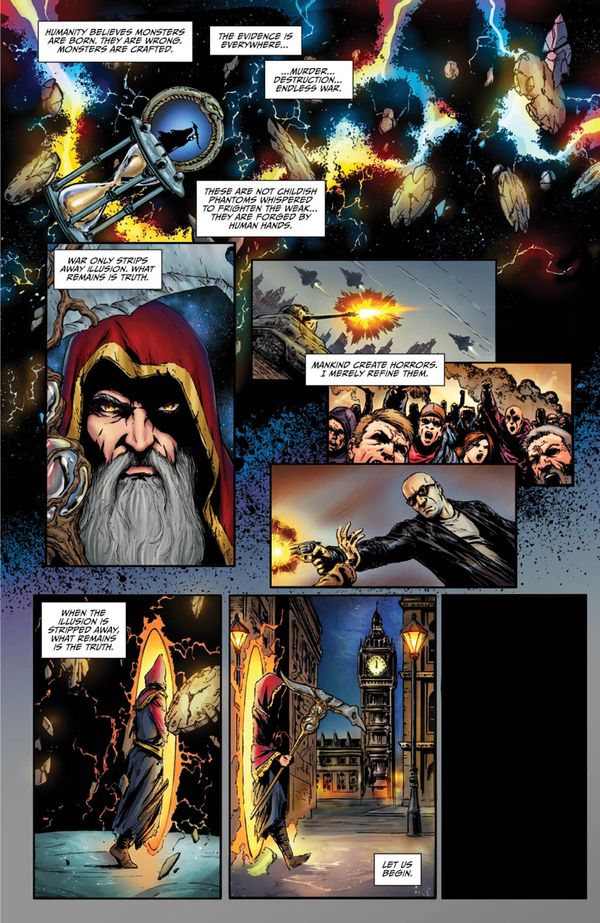
The line work is consistently sharp, and the action pages know how to frame impact without smearing the choreography into mush. Aydin, Otero, and Breed all give the anthology a clear visual identity, with figures that read cleanly in motion and panels that usually guide the eye with confidence. That matters here, because the book jumps between swordplay, grotesque body horror, and dreamlike menace, and the art has to do a lot of heavy lifting to keep those shifts readable. It mostly succeeds, which is the first job of horror comics and, frankly, the one too many books forget while trying to look clever.
The color work does a lot of atmospheric damage in the best possible way, pushing reds, shadows, and sickly contrasts to keep the mood tense and cold. Rodriguez and Andrade both support the tone instead of fighting it, and the palette choices help each segment feel distinct without breaking the anthology’s overall visual grammar. Facial expressions also carry real weight, especially in Masumi and Seraphine, where restraint, contempt, and fear all register clearly enough to sell the scene. When the book wants to feel grotesque, it lands grotesque; when it wants to feel haunted, it actually earns the chill.
Characters
Masumi comes off the strongest because her conflict is internal as much as external, and the issue gives her a clear line of motivation between duty, memory, and temptation. Seraphine gets a cleaner sense of personality than many anthology villains, because her hunger for control and spectacle shows up in how she speaks, moves, and manages the violence around her. Spencer and Henry are more functional than deep in this issue, but they still read as people reacting to a threat rather than props being shoved through a lore machine. That basic clarity goes a long way, because horror collapses fast when the characters stop feeling like they want anything specific.
Originality & Concept Execution
The anthology premise is familiar, but the issue uses it with enough confidence to avoid feeling stale. The strongest idea here is the contrast between disciplined resistance and predatory surrender, which gives the book a moral spine even when the stories are running on different monster logic. The Seraphine and Stitches material adds a theatrical cruelty that keeps things from becoming generic sword-and-sorcery cover art in comic form. It is not reinventing horror, but it does stage its concept cleanly and with enough blood on the floor to keep the whole thing lively.
Pros and Cons
Art Samples:
The Scorecard:
Writing Quality (Clarity & Pacing): 3/4
Art Quality (Execution & Synergy): 3/4
Value (Originality & Entertainment): 1/2
Final Thoughts:
(Click this link 👇 to order this comic)
Myths & Monsters: Winter 2026 Edition earns its place if you want a horror issue that actually looks and feels like horror instead of a costume parade with blood spray. Masumi gives the book its best material, the art holds the line across all three stories, and the concept has enough teeth to justify the page count, but the uneven structure keeps it from being a flat-out essential buy. If your budget is tight and you only want the sharpest cut, this is more a strong maybe than a must-have, though it still clears the bar for readers who want a moody, monster-heavy one-shot.
Related Posts:

We hope you found this article interesting. Come back for more reviews, previews, and opinions on comics, and don’t forget to follow us on social media:
If you’re interested in this creator’s works, remember to let your Local Comic Shop know to find more of their work for you. They would appreciate the call, and so would we.
Click here to find your Local Comic Shop: www.ComicShopLocator.com
As an Amazon Associate, we earn revenue from qualifying purchases to help fund this site. Links to Blu-Rays, DVDs, Books, Movies, and more contained in this article are affiliate links. Please consider purchasing if you find something interesting, and thank you for your support.