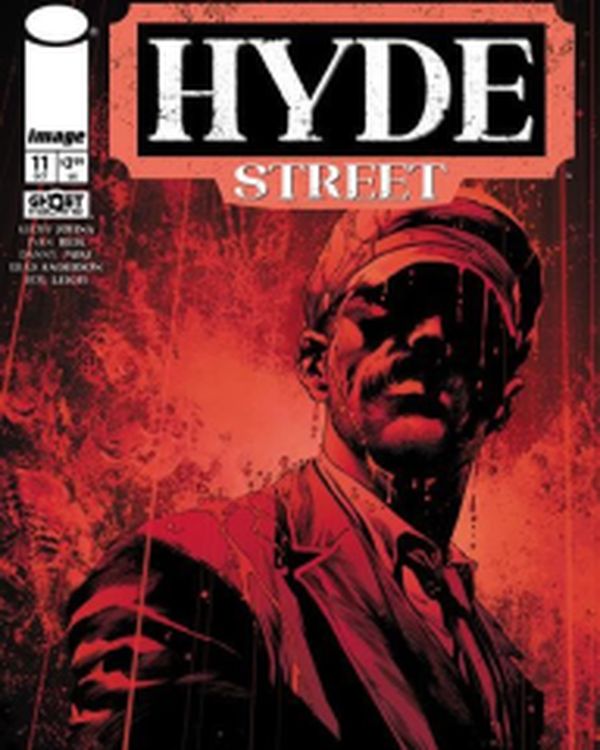
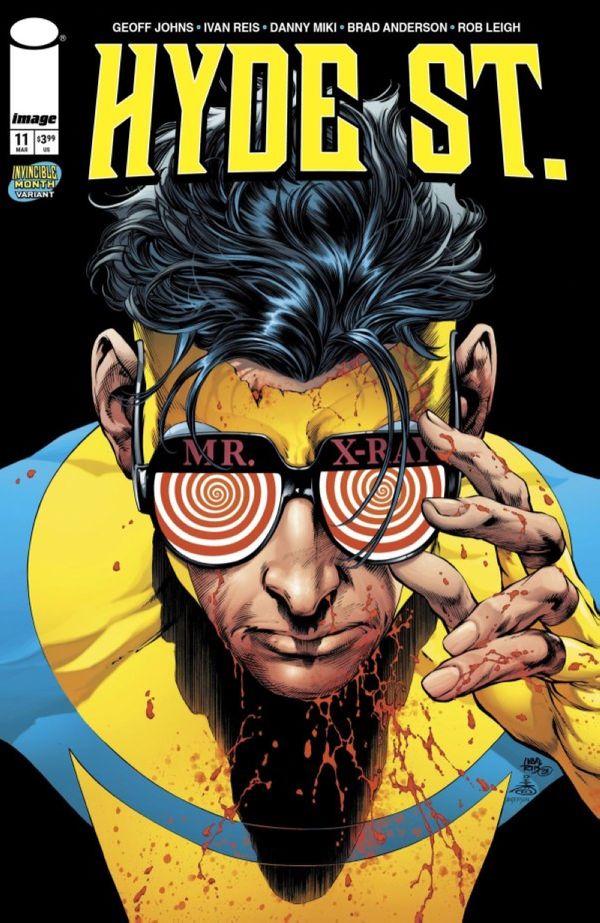
Hyde Street #11 (Image Comics, 3/25/26): Writer Geoff Johns and artist Ivan Reis deepen the series’ mythology as Pranky seeks surgical aid for his cursed mask in this haunting origin story. Masterful execution makes this a haunting lore dump. Verdict: A must-read for fans who want more reveals.
Credits:
- Writer: Geoff Johns
- Artist: Ivan Reis, Danny Miki
- Colorist: Brad Anderson
- Letterer: Rob Leigh
- Cover Artist: Ivan Reis, Danny Miki, Brad Anderson (cover A)
- Publisher: Image Comics
- Release Date: March 25, 2026
- Comic Rating: Teen
- Cover Price: $3.99
- Page Count: 36
- Format: Single Issue
Covers:
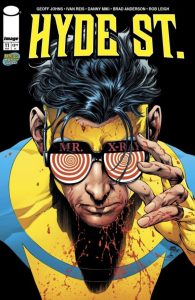
Analysis of Hyde Street #11:
First Impressions:
The transition from issue ten to eleven feels like shifting from a slow-burn ghost story into a high-stakes psychological thriller, and the immediate impact of the Butcher’s presence is impossible to ignore. Seeing Geoff Johns finally pivot from character vignettes into a cohesive, interconnected mythology gives the whole Ghost Machine line a needed sense of momentum and weight. Ivan Reis continues to prove why he is the gold standard for detailed, expressive horror, turning even a simple birth scene into something profoundly unsettling and cinematic. It feels like the training wheels are finally off for this series, and the raw energy of the Butcher’s return hits with the force of a long-overdue reckoning.
Recap:
Following Sister Hood’s realization that her tally is nearly complete in Hyde Street #10, the previous issue saw the fortune teller grappling with a decades-old guilt involving her sacrificed sister. While she attempted to manage the growing threat of the imprisoned Butcher, an external force began testing the barriers of Hyde Street itself. The Scorekeeper’s grip remained absolute, yet the tremors of an impending breach signaled a massive shift in the neighborhood’s hierarchy.
Plot Analysis (SPOILERS):
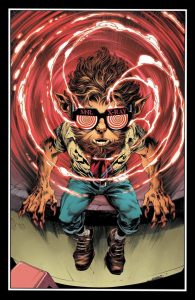
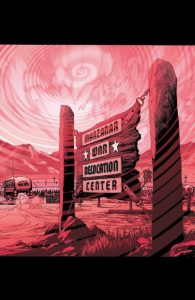
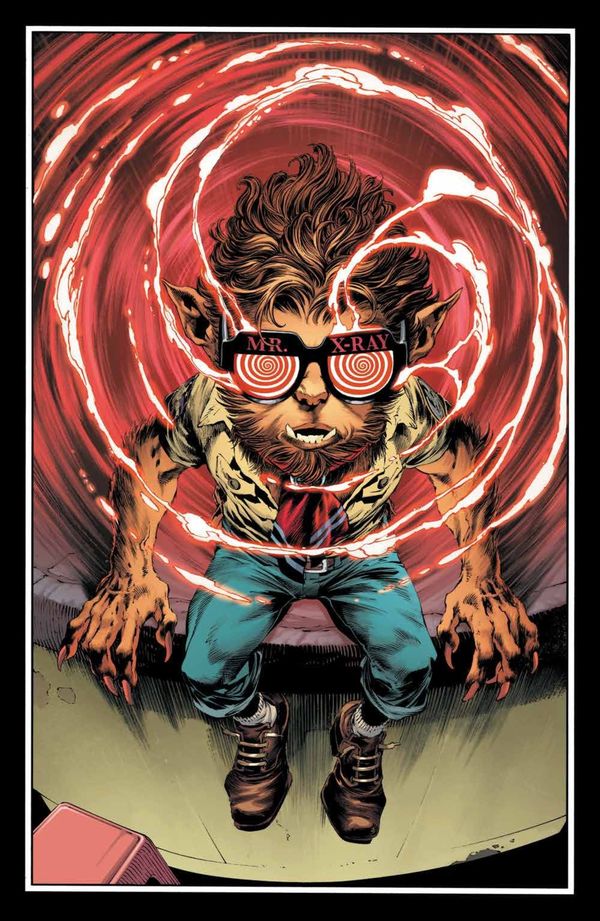
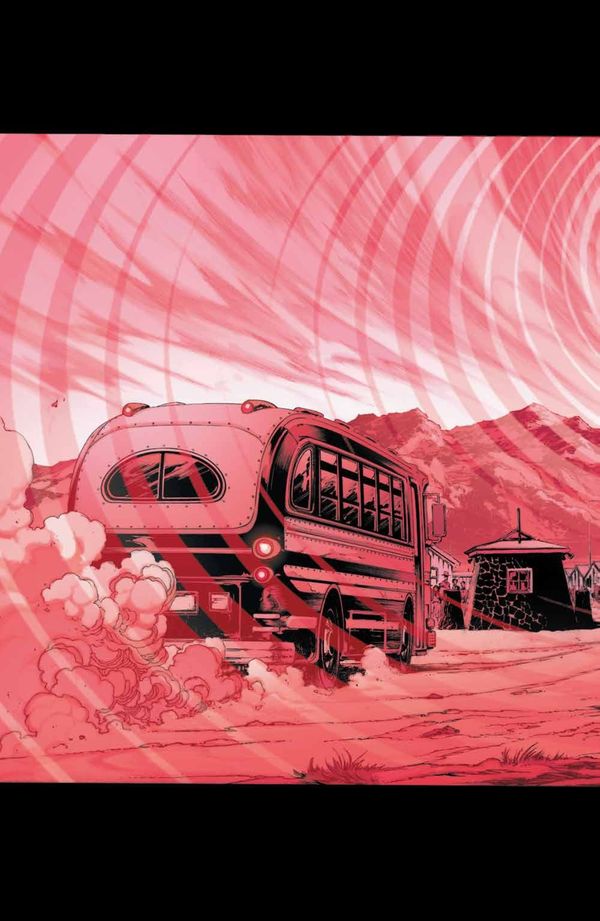
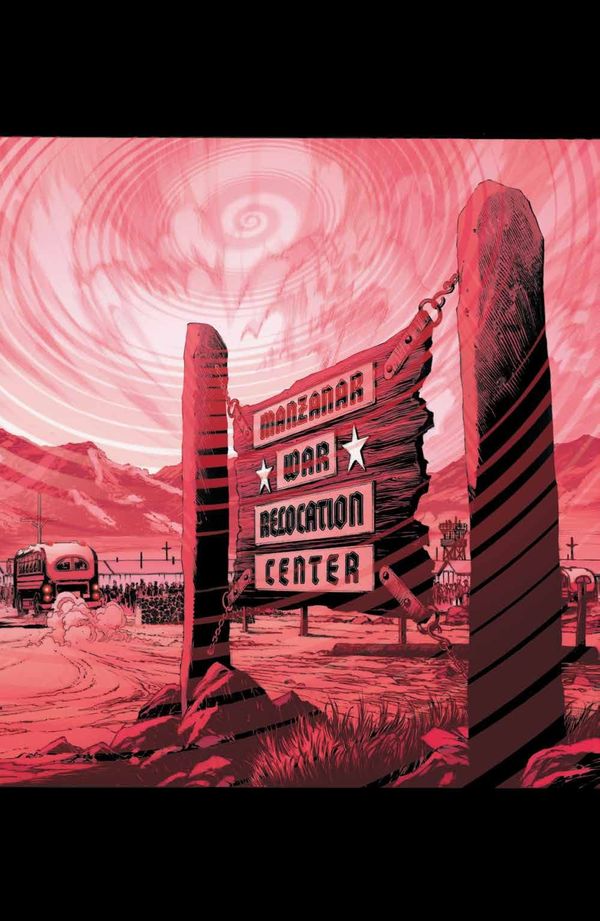
The issue opens with the tragic origin of Pranky, rooted in the harsh reality of the Manzanar War Relocation Center during World War II. As a child is born into the bleak conditions of the internment camp, the narrative seamlessly bridges the gap between historical trauma and the cosmic horror of Hyde Street. In the present day, Pranky struggles with the werewolf mask fused to his face, leading him to seek a desperate and dangerous surgical solution from the sadistic Doctor Ego.
The tension escalates when the Butcher finally manifests to offer Pranky a horrific deal in exchange for a fleeting moment of peace. While Mr. X-Ray recovers his signature glasses, he uncovers a shocking revelation about his own identity and the fate of his missing daughter, Judy. These revelations force the residents to confront the Scorekeeper’s true influence as the Butcher’s release threatens to dismantle the fragile order of their purgatory forever.
How is the story in Hyde Street #11?
Geoff Johns accelerates the series’ pacing here, moving away from the standalone nature of earlier issues to weave a tighter, more urgent tapestry. The dialogue between Pranky and the Butcher crackles with a dark, cynical wit that highlights the exhaustion of these eternal residents. By grounding the Pranky’s origin in the very real trauma of Manzanar, Johns adds a layer of thematic depth that elevates the horror beyond mere slasher tropes. This is a veteran writer at the top of his game, using established lore to pivot into a larger, systemic conflict that feels both inevitable and terrifying.
How is the art in Hyde Street #11?
Ivan Reis and Danny Miki deliver some of the most hauntingly beautiful panels in modern horror, with a layout flow that guides the reader through nightmarish flashbacks and visceral surgical scenes with surgical precision. The character acting in Pranky’s desperate eyes and the Butcher’s imposing silhouette creates a palpable sense of dread that stays with you long after you turn the page. Every line feels intentional, capturing the grime of the internment camp and the sterile, jagged environment of Doctor Ego’s office with equal mastery.
Brad Anderson’s color applicaiton is equally essential, using muted, sepia tones for the Manzanar sequences that contrast sharply with the neon-infused shadows of the present. This tonality shifts the mood organically, signaling the transition between memory and reality without the need for heavy-handed captions. The way the light reflects off Mr. X-Ray’s glasses or the wet sheen of the Butcher’s apron demonstrates a level of craft that few creative teams can match. It is a visual feast that makes the price of admission feel like a bargain for any serious collector.
Characters
The development of Pranky from a simple agent of chaos into a vulnerable, haunted figure is the highlight of this installment. Seeing his motivation shift from selfish survival to a deeper, more primal longing for his mother adds a layer of relatability that was previously missing. Even the Butcher, though largely a force of nature, is given a tragic grounding that makes his eventual rampage feel like a dark form of justice. These characters are no longer just archetypes; they are broken souls whose history is finally coming home to roost in a way that feels consistent and earned.
Originality & Concept Execution
The concept of a horror internment camp might feel like familiar territory for some, but the execution here is remarkably fresh and successful. By tying the supernatural rules of Hyde Street to historical grievances, the creative team creates a unique mythology that distinguishes itself from standard anthology fare. The delivery on the premise of a reckoning is absolute, as the issue successfully transitions the series into a unified narrative arc. It is a bold move that pays off by raising the stakes for every character involved.
Pros and Cons
Art Samples:
The Scorecard:
Writing Quality (Clarity & Pacing): 4/4
Art Quality (Execution & Synergy): 4/4
Value (Originality & Entertainment): 1.5/2
Final Thoughts:
(Click this link 👇 to order this comic)
Hyde Street #11 is a high-water mark for the Ghost Machine imprint, delivering a visceral and emotionally resonant start to the Butcher’s reckoning that every horror fan needs on their shelf. The issue brilliantly balances historical tragedy with supernatural terror, showcasing a creative team that is operating with unparalleled synergy. While the dense mythology might pose a slight hurdle for those jumping in late, the sheer quality of the visual storytelling and character work makes it an essential purchase. This is a premier example of how to evolve an anthology series into a must-watch event without losing the intimate dread that made it special in the first place.
Related Posts:
We hope you found this article interesting. Come back for more reviews, previews, and opinions on comics, and don’t forget to follow us on social media:
If you’re interested in this creator’s works, remember to let your Local Comic Shop know to find more of their work for you. They would appreciate the call, and so would we.
Click here to find your Local Comic Shop: www.ComicShopLocator.com
As an Amazon Associate, we earn revenue from qualifying purchases to help fund this site. Links to Blu-Rays, DVDs, Books, Movies, and more contained in this article are affiliate links. Please consider purchasing if you find something interesting, and thank you for your support.